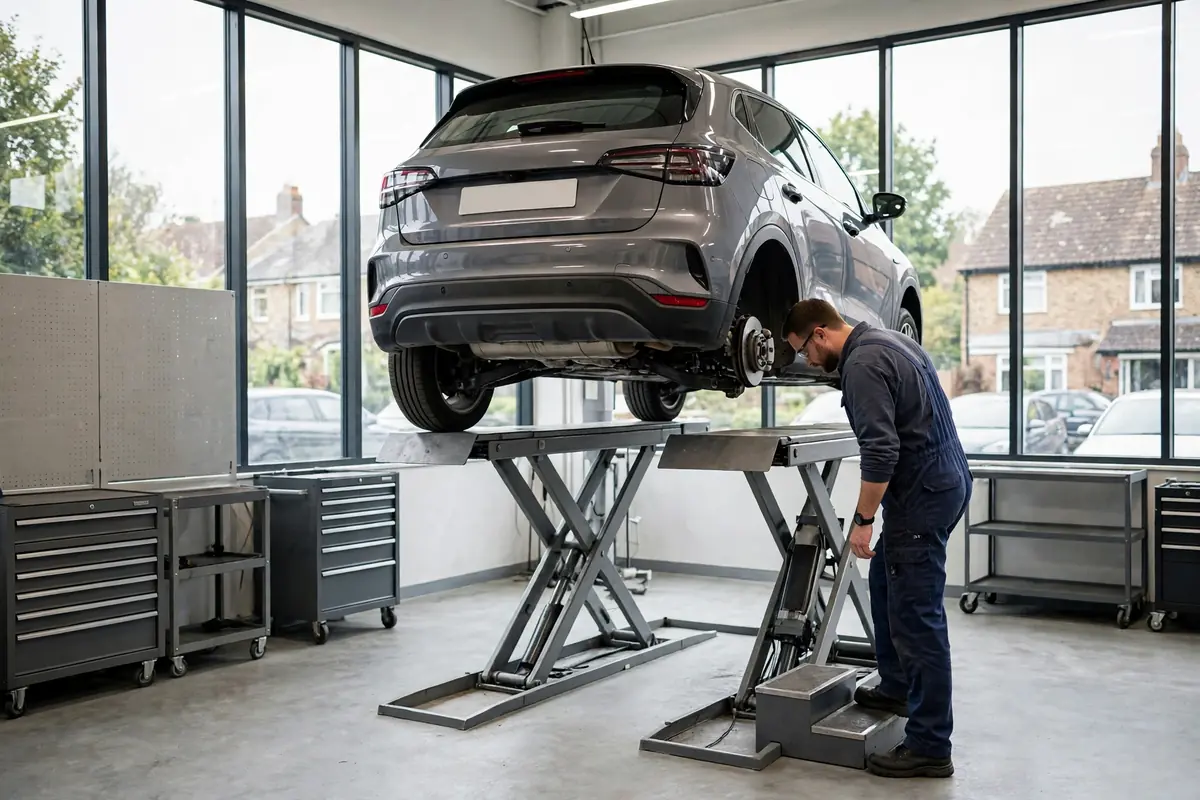
For most British drivers, the local independent garage is the first port of call when something goes wrong with a car. It is the workshop on the high street or the industrial estate, run by a small team, where the person who answers the phone often knows the car, its history and its owner. Yet that familiar model is under more pressure than at any time in recent memory. Costs are rising, cars are getting more complex, and larger chains and franchised dealers are competing harder than ever for the same work.
So what does the future hold for independent garages in the UK? The honest answer is that the sector will change, probably quite sharply, but it is not disappearing. The garages that survive will look different from the ones many drivers remember: better equipped, more specialised, more digital in how they book and communicate, and more open about pricing. The ones that try to carry on exactly as before, with no investment and no specialism, will find the ground getting thinner beneath them.
This guide looks at the forces reshaping the independent sector, from electric vehicles and software to staffing and consolidation, and at what drivers should look for in a good independent garage in the years ahead.
What an independent garage is, and why it matters
An independent garage is simply a repair business that is not tied to a single car manufacturer. Unlike a franchised dealer, which sells and services one or a few brands under the manufacturer’s banner, an independent can work on many makes and models. That breadth is its strength. It is also why Britain’s garage industry has always been dominated, in numbers at least, by small and medium-sized businesses rather than by large groups.
For drivers, independents have traditionally offered two advantages: price and personal service. Labour rates are usually lower than at a franchised dealer, and the relationship is often closer. Many drivers stay with the same garage for years, trusting it to tell them what genuinely needs doing and what can wait. That trust is the independent sector’s most valuable asset, and it is also the hardest thing for a large chain to copy.
The pressures reshaping the sector
Rising costs and thinner margins
Like every small business, garages face higher rents, energy bills, insurance and wages. At the same time, parts prices have risen, and customers are understandably sensitive to price. This squeeze is one reason car service costs have become such a talking point: drivers feel the increase, and garages feel it too, because they absorb costs they cannot always pass on without losing work.
The result is a sector where the gap between well-run garages and struggling ones is widening. A garage with efficient booking, good parts sourcing and a loyal customer base can still make a healthy living. One that relies on walk-in work, paper diaries and guesswork pricing is finding it much harder.
Cars are becoming computers on wheels
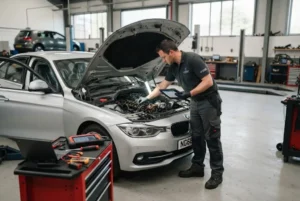
Modern cars carry dozens of electronic control units, driver-assistance systems and software-driven features. A fault that once needed a spanner may now need a diagnostic laptop, a software update and a calibration procedure. This is not a reason to avoid independents, many invest heavily in diagnostics, but it does raise the bar. The days when any competent mechanic could fix any car with a basic toolkit are fading.
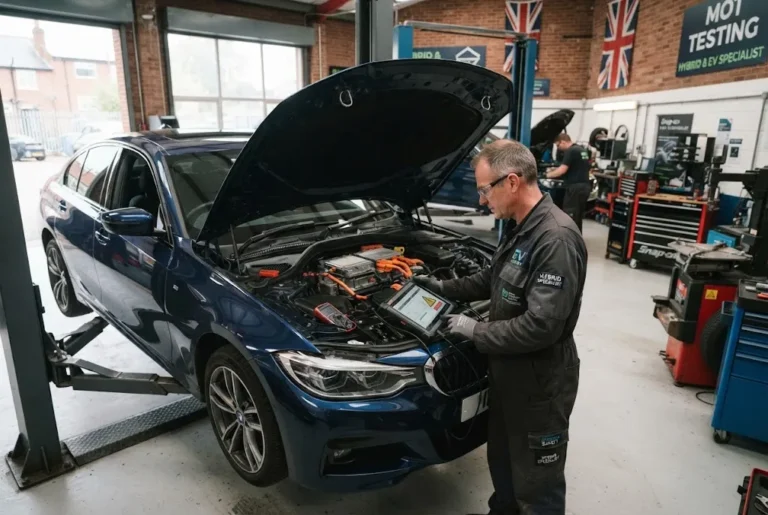
That shift is closely linked to the growth of electric and hybrid models. EV servicing involves different skills, high-voltage safety training and different wear patterns, while hybrid servicing blends combustion-engine knowledge with electrical expertise. Independent garages that invest in this training early will be well placed; those that do not may find a growing share of the car parc passing them by.
Consolidation and competition from chains
At the other end of the market, garage chains in Britain are expanding, buying smaller sites and offering national warranties, fixed-price servicing and online booking. Franchised dealers, meanwhile, are chasing older cars with value servicing offers that once would have been left to independents. Competition, in other words, is coming from both directions.
Consolidation is not new, and it does not mean the end of the small garage. But it does mean independents can no longer rely on being the only option in town. They need a reason for a driver to choose them over a national brand, and that reason is usually a combination of expertise, honesty and convenience, not price alone.
Digital transformation: the quiet revolution
The most important change in many independents is also the least visible to customers: the move to digital working. Online booking, text and email reminders, digital vehicle health checks with photos and video, and electronic invoicing are becoming standard in well-run workshops. For a driver, this means clearer communication. Instead of a phone call saying a car “needs some work”, they get a short video showing a worn brake disc or a leaking seal, with a priced recommendation.
Specialisation: the new survival strategy
One response to complexity is specialisation. Rather than trying to cover everything, some independents are focusing on a particular area: a brand, a type of vehicle, a system such as air conditioning or diagnostics, or a customer group such as fleets or classic cars. Specialisation allows deeper expertise, better tooling and a clearer marketing message, and it can command higher labour rates because the work is harder to replicate.
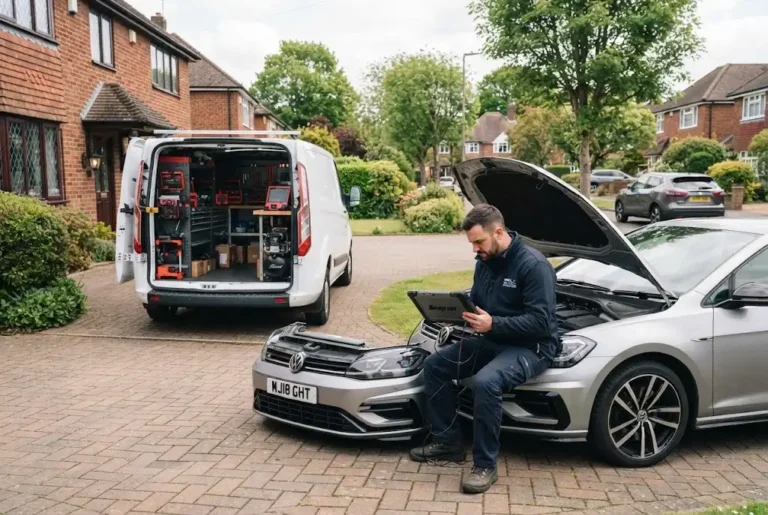
Mobile working is another form of specialisation. Mobile auto service has grown as drivers look for servicing and minor repairs at home or at work, and some independents now combine a fixed workshop with a mobile van. That flexibility suits busy customers, though it works best for routine work; major repairs still need a ramp, proper lighting and full workshop equipment.
Staffing: the sector’s biggest headache
Ask garage owners about their biggest worry and many will name recruitment, not competition. Skilled technicians are in short supply, training takes years, and younger workers are often drawn to other trades or to dealer groups that can offer structured apprenticeships. Independent garages, which rarely have a dedicated training budget, feel this acutely.
The garages handling this best are those that treat training as an investment rather than a cost: taking on apprentices, funding diagnostic and electric-vehicle courses, and paying rates that keep good technicians from moving on. That investment shows up in the quality of work, and customers notice. A garage that cannot retain staff will struggle to retain customers either.
What drivers should look for in a future-proof garage
For drivers, the changes in the sector make choosing a garage more important, not less. A few checks help separate the workshops investing for the future from those standing still:
- Clear, itemised quotes before work starts, with a call or message before any extra work is authorised.
- Digital health checks with photos or video, so you can see what needs doing and why.
- Evidence of current training, especially for electric and hybrid vehicles if that is what you drive.
- Proper accreditation and a written warranty on parts and labour.
- Honest advice on what can wait. A garage that always finds urgent work is a warning sign.
It is also worth remembering that routine maintenance and safety checks remain the backbone of car ownership. A garage that keeps on top of car servicing schedules, explains MOT and service requirements clearly, and offers a proper vehicle inspection before a purchase or a long trip is doing the unglamorous work that keeps drivers safe and costs down.
Before buying a used car, the same logic applies in reverse. A pre-purchase check by an independent garage you trust, covering the points in a thorough vehicle inspection guide, can save far more than it costs, and it is exactly the kind of expert, impartial advice at which good independents excel.
Future business models: what is likely to emerge
Looking ahead, several business models seem likely to grow. Subscription-style maintenance plans, where drivers pay a monthly amount covering servicing and inspections, are already offered by some garages and fleets. Partnerships with fleets, leasing companies and warranty providers give independents steadier work than relying solely on retail customers. And closer links with parts suppliers and diagnostic networks let small garages access the technical information that was once the preserve of dealers.
None of this means the traditional independent garage will vanish. The local workshop with a good reputation, fair pricing and skilled staff remains a model that works. What will change is the amount of investment, training and organisation needed to run one well. The future independent garage will be more professional, more transparent and more specialised than its predecessor, but for drivers who value a trusted local expert, that is good news.
The sector’s challenge is to make that transition without losing what made it valuable in the first place: personal service, honest advice and a genuine stake in the local community. Garages that manage that balance, combining modern tooling and digital communication with old-fashioned trustworthiness, are the ones most likely to still be there in ten years’ time, still answering the phone, still knowing your car, and still keeping Britain’s older cars safely on the road.