

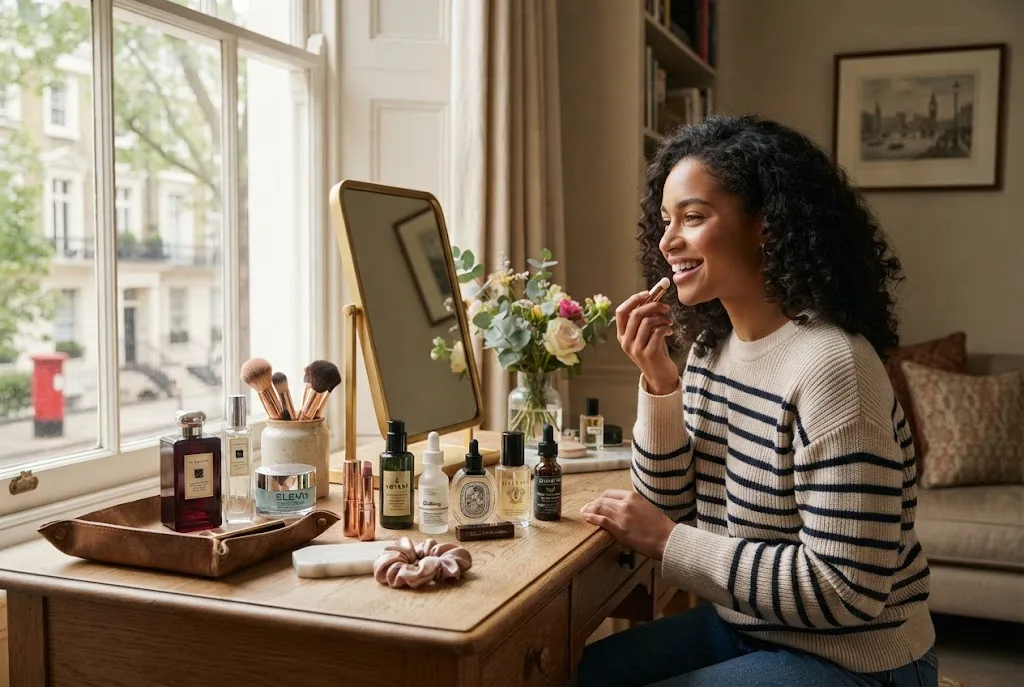
British beauty culture has developed through a distinctive mix of tradition, practicality, social influence and changing ideas about personal expression. From classic skincare and understated makeup to contemporary British beauty trends shaped by social media, fashion and sustainability, beauty in Britain reflects a diverse society rather than one fixed aesthetic.
Understanding UK beauty culture means looking beyond products alone. Beauty habits in the UK are influenced by regional identity, generations, lifestyle, weather, fashion, celebrity culture and evolving attitudes towards individuality. This makes British beauty traditions an interesting foundation for understanding how modern consumers approach skincare, cosmetics and self-care.
What Is British Beauty Culture?
British beauty culture refers to the collection of attitudes, routines, traditions, preferences and social influences that shape how people in Britain approach appearance and personal care. It includes everyday skincare and makeup habits as well as salon culture, fragrance, haircare, fashion and changing ideas about what it means to look and feel confident.
Unlike a single national beauty standard, British beauty culture is better understood as a broad collection of influences. London, Manchester, Birmingham, Edinburgh, Cardiff and smaller communities can all have different beauty scenes and consumer preferences. Cultural diversity also plays an important role, bringing beauty traditions and techniques from communities with roots across Europe, Asia, Africa, the Middle East and elsewhere.
This combination gives beauty in Britain a particularly varied character. Traditional approaches can exist alongside experimental looks, while minimalist routines can sit comfortably beside detailed skincare or elaborate makeup.
How British Beauty Culture Has Evolved
British beauty has changed considerably over time. Earlier beauty routines were often closely connected with formal occasions, social expectations and established ideas of grooming. Over the decades, fashion movements, music scenes, television, film and changing attitudes towards individuality helped make beauty more expressive.
The influence of British fashion and entertainment has also helped introduce different beauty aesthetics to wider audiences. From polished editorial looks to deliberately unconventional styles, British consumers have repeatedly embraced the idea that beauty can communicate personality and cultural identity.
Today, digital media has accelerated this evolution. Consumers can discover international techniques within seconds, compare products online and follow beauty creators from different backgrounds. As a result, modern British beauty trends are influenced by both local traditions and global conversations.
British Beauty Traditions That Still Influence Modern Routines
Although contemporary routines continue to change, some British beauty traditions remain recognisable. Practical grooming, attention to skin comfort and a preference for adaptable products have long been relevant to everyday beauty routines.
Skincare as an Everyday Ritual
Skincare has become an important part of daily personal care. Cleansing, moisturising and protecting the skin can form the basic structure of a routine, with consumers adding targeted products according to their individual needs and preferences.
The British climate can also encourage people to think about comfort and hydration. Cold temperatures, wind and indoor heating can affect how skin feels, making moisturising and gentle skincare particularly relevant during parts of the year.
Makeup That Balances Polish and Individuality
Makeup preferences in Britain cover a wide spectrum. Some people favour natural-looking base products and subtle definition, while others enjoy strong eye makeup, statement lips or creative colour.
This flexibility is one reason British cosmetics culture is difficult to define through a single look. Everyday makeup may be deliberately understated, while evening events, festivals and fashion-led occasions can provide opportunities for more dramatic experimentation.
Fragrance and Personal Grooming
Fragrance also has a long-standing place within British personal grooming. Rather than simply being associated with special occasions, perfume can become part of an individual’s daily identity.
Personal grooming more broadly includes haircare, body care and other routines that help people feel comfortable and presentable. These habits can vary significantly according to age, profession, lifestyle and personal taste.
British Beauty Trends in the Modern Era
Modern British beauty trends are increasingly shaped by a combination of practicality, personal expression and online discovery. Social platforms have made tutorials, product reviews and beauty routines accessible to almost everyone, changing how consumers discover and evaluate products.
One noticeable trend is the growing interest in simplified routines. Instead of automatically following lengthy regimens, some consumers prefer carefully selected products that perform several functions or address specific concerns.
At the same time, highly detailed skincare routines remain popular among beauty enthusiasts. Ingredients, formulation choices and product compatibility are frequently discussed online, giving consumers more information before making purchasing decisions.
Sustainability has also become increasingly relevant to conversations around beauty. Questions about packaging, ingredient sourcing, product longevity and waste have encouraged consumers to consider the wider impact of their purchases. This connects British beauty culture with the broader principles of sustainable beauty.
Regional Beauty Culture Across Britain
Regional beauty culture demonstrates why there is no single definition of British beauty. Different cities and communities develop their own combinations of fashion, grooming and lifestyle preferences.
London is widely associated with a highly diverse and fashion-conscious beauty scene, where international influences can appear alongside established British aesthetics. Other major cities have their own creative communities, nightlife cultures and independent beauty businesses that shape local preferences.
Scotland, Wales and Northern Ireland also contribute distinctive cultural influences to beauty in Britain. Local identity, traditions and community preferences can affect everything from salon culture to fashion and personal grooming.
Even within England, beauty habits can vary between urban and rural communities. Access to specialist services, local businesses, social environments and lifestyle can all influence the products and routines people choose.
How Social Media Is Changing UK Beauty Culture
Social media has transformed the way beauty knowledge is shared. A consumer no longer needs to rely exclusively on magazines, television or advice from a beauty counter. Tutorials, reviews, demonstrations and discussions are available across multiple platforms.
This has created both opportunities and challenges. Consumers can discover techniques that were previously unfamiliar and find communities that reflect their own interests. However, the constant flow of trends can also encourage rapid product turnover and unrealistic expectations.
British beauty culture therefore exists within a much faster trend cycle than previous generations experienced. A look can become popular quickly, disappear within months and later return in a new form.
British Cosmetics Culture and Consumer Choices
British cosmetics culture is not simply about following the latest trend. Consumers often consider price, convenience, formulation, brand reputation, ethical positioning and suitability for their individual routines.
Product discovery can happen through traditional retailers, specialist beauty stores, salons, independent businesses and online platforms. This variety gives consumers considerable choice, while reviews and creator recommendations can influence purchasing decisions.
At the premium end of the market, some consumers are attracted to sophisticated packaging, specialist formulations and the experience associated with luxury beauty. Others prioritise affordability, practicality and products that fit easily into everyday routines.
The result is a market where different approaches can coexist. A person may use affordable everyday cosmetics while occasionally investing in a premium fragrance or specialist skincare product.
Beauty Habits in the UK Across Different Generations
Beauty habits UK consumers follow can differ significantly by generation. Younger consumers often discover products through social media and may experiment with emerging techniques more quickly. Older consumers may have established routines based on products and practices they have used for years.
However, these differences are not absolute. Beauty preferences are increasingly individual rather than strictly determined by age. A younger consumer may prefer a minimalist routine, while an older consumer may actively explore new ingredients and techniques.
Generational boundaries have therefore become less useful for defining beauty than they once were. Personal identity, lifestyle and access to information increasingly determine how people approach beauty.
British Beauty Culture and Changing Ideas of Authenticity
One of the most important changes in modern beauty culture is the growing emphasis on authenticity. Consumers increasingly encounter discussions about skin texture, natural features and realistic routines rather than only highly polished finished appearances.
This does not mean traditional makeup or glamorous beauty has disappeared. Instead, people have more freedom to move between different aesthetics. A natural appearance, bold makeup, carefully styled hair or a deliberately experimental look can all form part of contemporary British beauty.
That flexibility reflects wider changes in society. Beauty is increasingly treated as a form of personal choice rather than a requirement to conform to one universal standard.
The Future of British Beauty Culture
The future of British beauty culture is likely to be shaped by several overlapping forces. Technology will continue to change how consumers discover products, while sustainability may influence packaging and purchasing decisions. At the same time, consumers are likely to remain interested in products that offer convenience, personalisation and clear value.
Greater cultural diversity will also continue to influence the beauty landscape. British consumers have access to an expanding range of techniques, products and perspectives, making the country’s beauty culture increasingly varied.
For beauty businesses, understanding this diversity matters. Successful brands and professionals need to recognise that consumers do not all want the same look, routine or product experience.
Why British Beauty Culture Matters
British beauty culture provides a useful window into how society, fashion, commerce and personal identity interact. It includes long-standing British beauty traditions, but it is also constantly adapting to new influences.
From everyday skincare and makeup to regional aesthetics, sustainability and luxury experiences, beauty in Britain encompasses a wide range of choices. Its most defining characteristic may therefore be its diversity.
As consumer expectations continue to evolve, understanding these cultural shifts can help readers make more informed beauty choices and help businesses create products and experiences that genuinely reflect modern UK consumers.
British beauty culture is ultimately less about following one prescribed standard and more about the freedom to combine tradition, innovation and individual expression. That balance is likely to remain central to the UK’s beauty landscape for years to come.
For readers interested in the wider commercial side of beauty, exploring the UK beauty industry provides further context on the businesses, market forces and regulations shaping this evolving sector.
