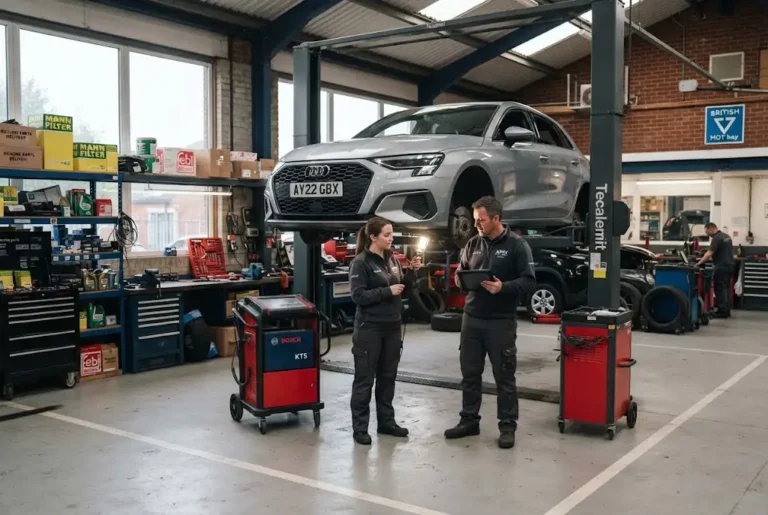
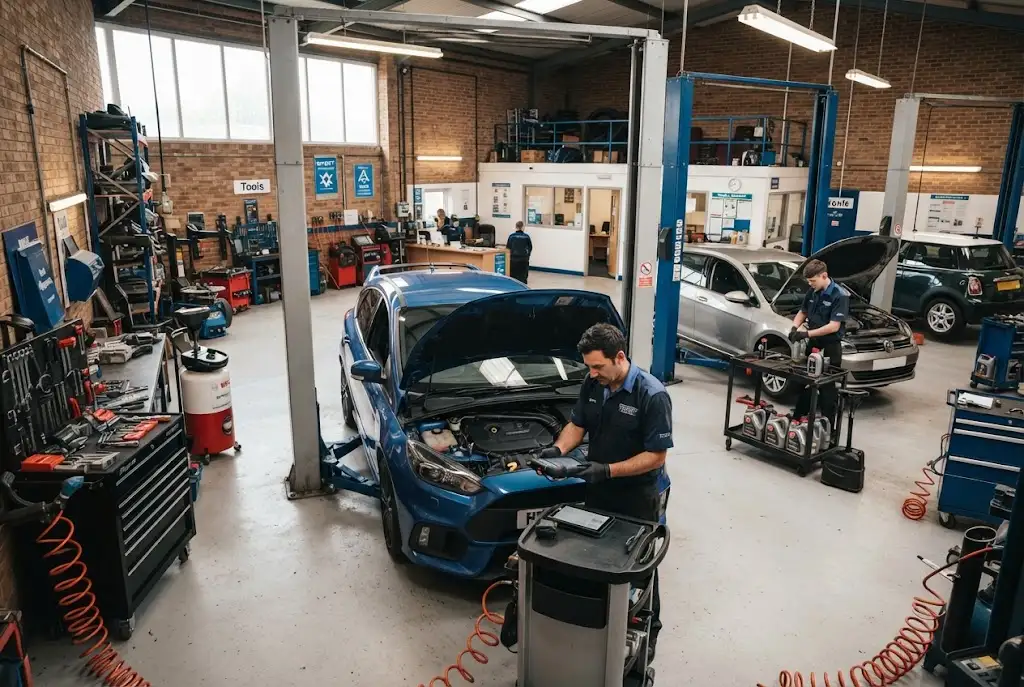
An auto service garage is more than a place where motorists take a vehicle when something goes wrong. Across Britain, garages form a diverse service industry that includes independent workshops, authorised repairers, franchise operations, specialist service centres and small automotive businesses. Each type of workshop operates within a market shaped by customer demand, vehicle technology, technician skills and changing business costs.
Understanding how Britain’s garage industry works provides useful insight into the businesses maintaining the country’s vehicles. It also shows why workshop operations can vary significantly between a small independent garage, a manufacturer-authorised facility and a larger multi-site service business.
What Is an Auto Service Garage?
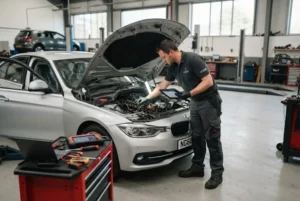
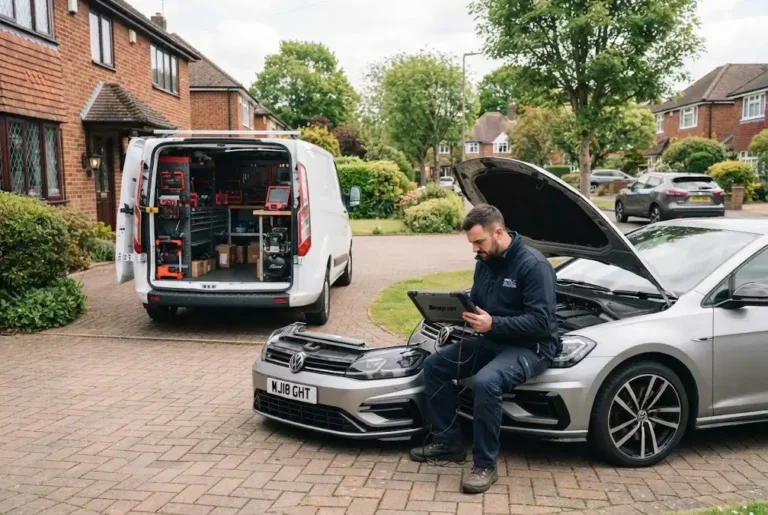
An auto service garage is a business that provides vehicle servicing, maintenance, inspection or repair work. The exact services offered depend on the workshop’s equipment, technicians, qualifications and chosen business model.
A general garage may handle routine servicing, brakes, suspension, exhaust systems, batteries, tyres and mechanical repairs. Other businesses focus on specific areas such as diagnostics, transmissions, electric vehicles, classic cars or commercial vehicles.
This variety is one of the defining characteristics of Britain’s garage industry. A motorist looking for vehicle maintenance can encounter businesses with very different operating structures while still receiving broadly similar categories of automotive services.
Independent Garages Remain an Important Part of the Market
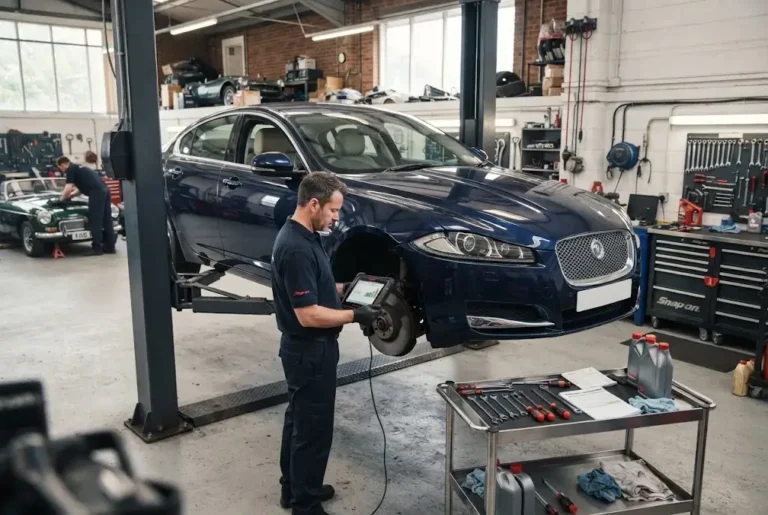
Independent garages are locally operated businesses that are not directly controlled by a vehicle manufacturer. They range from small owner-managed workshops to larger independent groups with several locations.
The independent model can provide considerable flexibility. A garage owner can decide which services to offer, what equipment to purchase, which suppliers to use and which vehicle types to target. Some businesses develop specialist expertise around particular makes, technologies or repair categories.
Customer relationships can also be important. A local workshop may build repeat business through convenience, communication, technical knowledge and familiarity with customers’ vehicles. For many small garages, reputation within the local community is therefore a significant part of the business model.
However, independence also means that operators must manage their own investment decisions. Diagnostic equipment, technician training, premises, insurance, tools and software can represent substantial operating costs.
Authorised Workshops and Franchise Garages
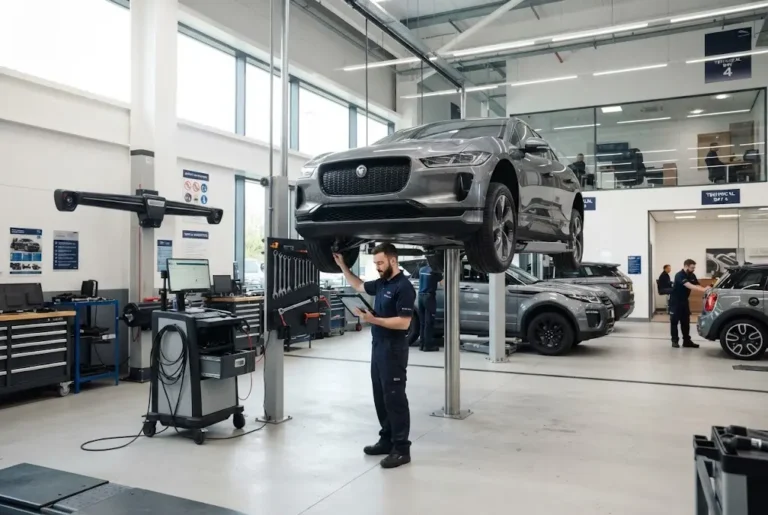
At the other end of the market are authorised workshops connected to vehicle manufacturers or established automotive networks. These businesses generally operate within defined standards covering facilities, equipment, processes and customer service.
Manufacturer-linked workshops may have access to brand-specific diagnostic systems, technical information and training. Their technicians can therefore work within a structured environment designed around particular vehicle brands.
Franchise garages occupy another position within the market. A franchise model allows an independently owned business to operate under an established brand and business system, subject to the relevant franchise agreement.
For an operator, this can provide access to recognised branding, established processes, marketing support and purchasing arrangements. In return, the business typically has to follow the requirements of the franchise network.
These models demonstrate that Britain’s garage sector is not divided simply between small independents and manufacturer dealerships. There is a broad spectrum of ownership and operating structures between those two points.
How Workshop Operations Work
Behind every successful garage is a set of workshop operations that determine how vehicles move through the business. The process can begin with an appointment or customer enquiry and continue through inspection, diagnosis, quotation, repair, quality checks and vehicle collection.
Workshop scheduling is particularly important. Technicians need sufficient time to complete jobs, while customers generally expect realistic completion estimates. Poor scheduling can create delays, reduce workshop productivity and place pressure on staff.
Parts management is equally important. A repair cannot always be completed simply because a technician is available. The correct replacement component may need to be ordered, delivered and checked before work can continue.
Modern workshop management can therefore involve appointment software, digital job cards, diagnostic equipment, parts ordering systems and customer communication tools alongside traditional mechanical skills.
What Makes SME Garages Different?
Many garages operate as small and medium-sized enterprises, or SME garages. Their scale can influence everything from staffing to purchasing and customer management.
A small workshop might operate with a handful of technicians and several vehicle bays. The owner may also handle administration, customer enquiries, supplier relationships and financial decisions. In a larger operation, these responsibilities can be divided between dedicated managers and departments.
Small businesses can respond quickly to local demand, but they may have fewer resources for major technology investments. This becomes increasingly relevant as vehicles become more electronically complex.
For example, advanced diagnostic equipment, electric vehicle training and specialist safety equipment may require significant investment. A garage must assess whether the expected customer demand justifies that expenditure.
Different Garage Business Models
The UK’s garage industry contains several business models, each with different commercial characteristics.
Independent General Workshop
This model provides broad mechanical and servicing work for customers across different vehicle brands. It can be well suited to local demand where customers value convenience and a wide range of services.
Specialist Workshop
A specialist garage concentrates on a particular vehicle type, manufacturer, technology or repair category. Specialisation can help a business develop deeper technical expertise and attract customers seeking particular services.
Franchise Operation
A franchise business operates under an established automotive brand and follows its network requirements. The model can combine local ownership with centralised branding, processes and support.
Manufacturer-Authorised Service Centre
This type of workshop operates within a manufacturer’s authorised network. It may provide brand-specific servicing, repairs, diagnostics and technical support according to manufacturer procedures.
Multi-Site Automotive Group
Larger groups operate across several locations. Their scale can support centralised purchasing, marketing, administration and training while allowing individual sites to serve local customers.
Technology Is Changing Garage Operations
Vehicle technology is transforming the skills required inside modern workshops. Traditional mechanical knowledge remains essential, but technicians increasingly work with electronic control systems, diagnostic software, sensors and advanced driver assistance technologies.
Electric and hybrid vehicles add further requirements. Workshops need appropriate equipment and procedures for vehicles containing high-voltage systems, while technicians need suitable training to work safely.
For garage owners, technological change is therefore both an opportunity and a business challenge. Investing in new capability can expand the range of vehicles a workshop can service, but the investment must be balanced against local demand and expected returns.
Customer Expectations Are Also Changing
The modern garage customer is often looking for more than technical competence. Clear communication, transparent quotations, convenient appointment systems and realistic completion times can all influence the overall service experience.
Digital tools have made it easier for customers to compare garages, read reviews, request appointments and communicate with businesses online. As a result, workshop operations increasingly extend beyond the physical garage.
A strong technical service can still be undermined by poor communication. Conversely, an efficiently managed customer journey can help a garage turn a one-time repair into repeat business.
The Role of Industry Research
Industry research helps garage operators understand wider changes that may affect their businesses. Vehicle parc trends, technology adoption, consumer behaviour, technician availability and regulatory developments can all influence future workshop demand.
Organisations such as the Society of Motor Manufacturers and Traders publish research and industry information covering Britain’s automotive sector. The Independent Automotive Aftermarket Federation also represents businesses involved in the independent aftermarket.
For garage owners, research can provide useful context for decisions about equipment, training, services and future investment. A business does not need to follow every industry trend, but understanding the direction of the market can make planning more informed.
The Future of Britain’s Garage Industry
Britain’s garage industry is likely to remain diverse. Independent workshops, authorised operations, franchise businesses, specialist garages and larger service groups can all occupy different positions within the market.
The main challenge will be adapting to changing vehicles without losing the operational strengths that make a local garage valuable. Technical training, digital systems, efficient workshop management and strong customer communication are likely to remain important.
At the same time, the continuing presence of older vehicles means traditional servicing and repair skills will remain relevant. The result is likely to be a garage sector where mechanical expertise and digital capability increasingly operate side by side.
Why the Garage Industry Matters
An auto service garage sits at the centre of a much wider network involving motorists, technicians, parts suppliers, manufacturers and automotive businesses. Whether a customer visits an independent workshop or an authorised service centre, the garage plays a practical role in keeping vehicles safe, functional and usable.
Understanding the industry’s different business models also makes it easier to see why garages do not all operate in the same way. Their size, ownership, technical specialisation, supplier relationships and investment strategies can produce very different customer experiences.
As Britain’s vehicle fleet and automotive technology continue to evolve, the garage industry will have to adapt alongside them. For workshop operators, that means balancing proven repair skills with new technology, changing customer expectations and the economics of running a modern service business.