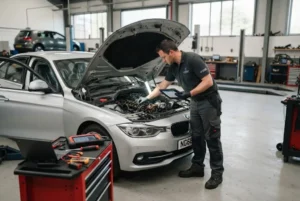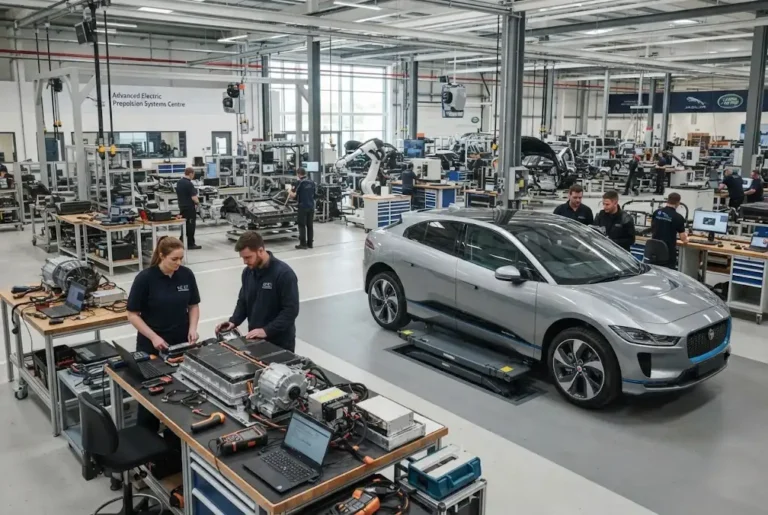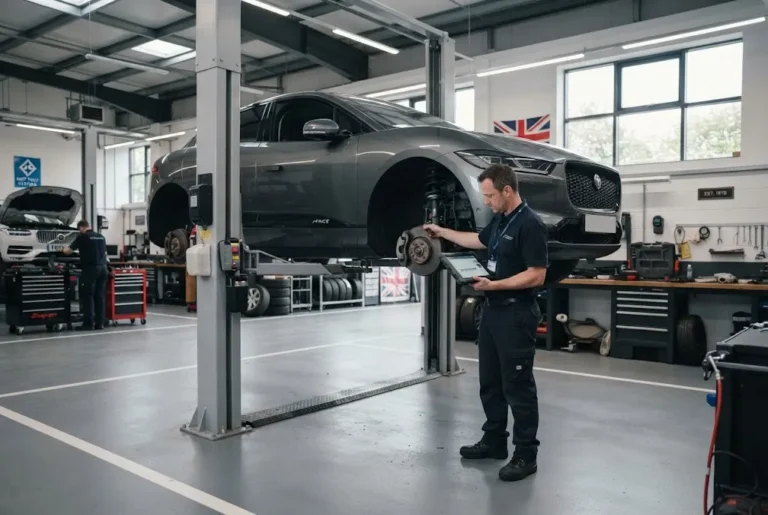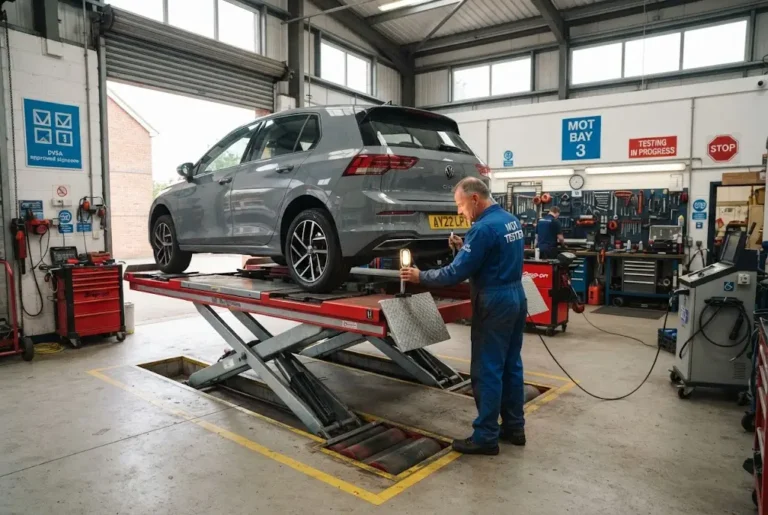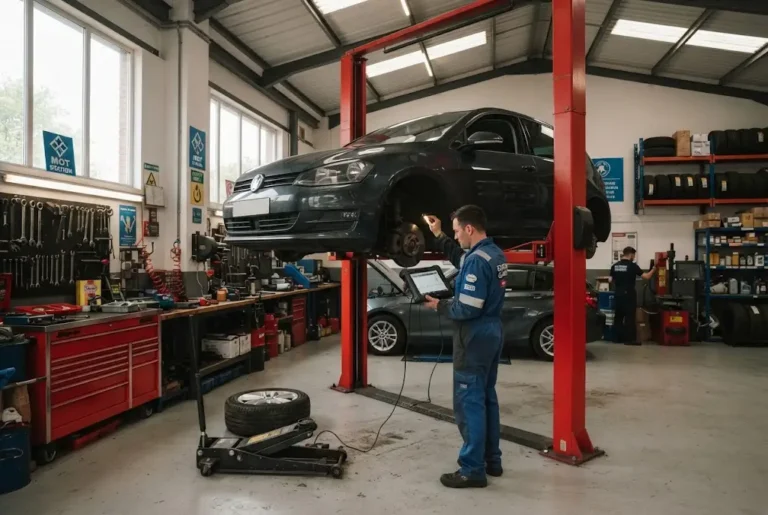
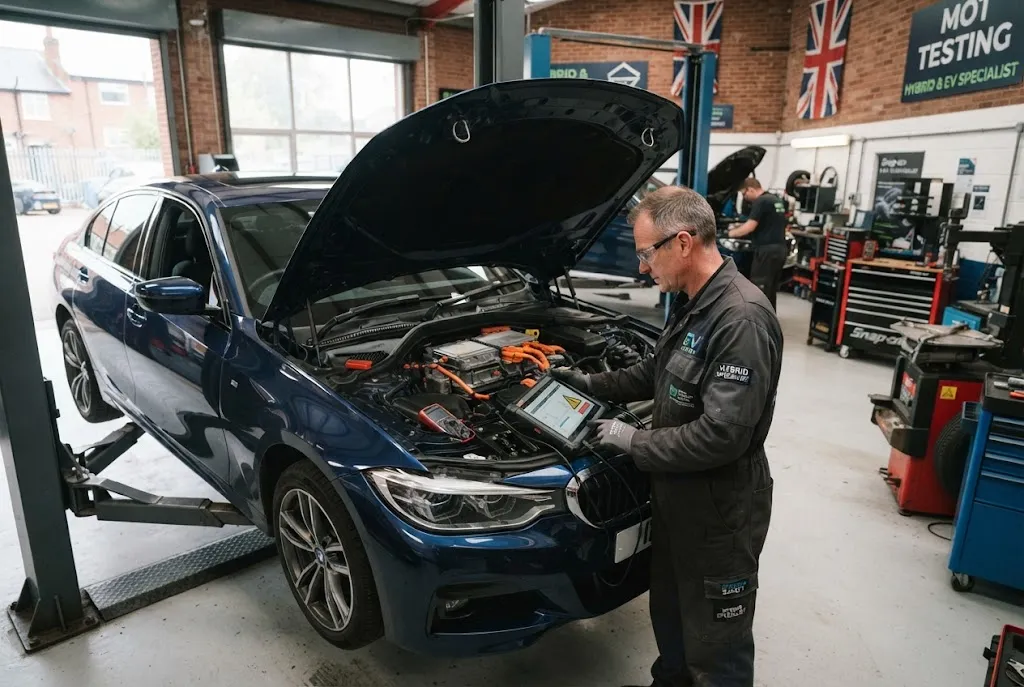
The shift is not simply about replacing petrol and diesel vehicles with electric alternatives. Workshops need to understand how different powertrains operate, how battery systems should be handled and how conventional mechanical components interact with electric technology. Preparing for this change requires investment in skills, equipment and suitable working procedures.
Why Hybrid Services Matter in the UK
Hybrid vehicles occupy an important position between conventional internal-combustion vehicles and fully electric cars. Depending on the design, a hybrid can combine an internal-combustion engine with one or more electric motors and a battery system.
This means technicians may need to understand both conventional vehicle maintenance and electrified systems. A workshop that has traditionally focused on engines, transmissions, brakes and suspension may increasingly need additional knowledge of high-voltage systems, battery management and electronic diagnostics.
For motorists, this means choosing a garage with appropriate knowledge and equipment can become more important as the vehicle fleet becomes more technologically diverse.
How EV Servicing Differs From Conventional Maintenance
Electric vehicles have fewer conventional drivetrain components than petrol or diesel cars. There is no conventional engine oil change for the electric motor, and many traditional engine-related maintenance tasks do not apply.
However, that does not mean EVs require no maintenance. Tyres, braking systems, suspension, steering, cooling systems, cabin components and electrical systems can still require inspection and servicing.
Battery and high-voltage systems also introduce specialist considerations. Technicians need suitable procedures for isolating electrical systems and working safely around high-voltage components.
This creates a different maintenance profile rather than eliminating the need for professional automotive services.
Hybrid Services and EV Mechanics
The transition towards electric mobility is creating demand for technicians who understand both traditional automotive engineering and electrified powertrains.
EV mechanics may need knowledge of battery systems, electric motors, power electronics, charging systems, thermal management and vehicle diagnostics. Hybrid vehicles can require an additional layer of expertise because they combine electric components with an internal-combustion powertrain.
Training therefore becomes an important part of the industry’s transition. Technicians who already understand conventional vehicle systems may need additional qualifications and practical experience to work safely with high-voltage technology.
Battery Servicing and Maintenance
The traction battery is one of the most significant components in an electric or hybrid vehicle. Its condition can influence vehicle range, performance and operating characteristics.
Battery-related work requires appropriate procedures because high-voltage systems present safety risks that differ from those associated with conventional vehicle systems. Workshops need suitable equipment, controlled working environments and trained personnel.
Battery servicing can also involve diagnosis rather than simply replacing the entire battery pack. Depending on the vehicle and fault, technicians may need to investigate battery management information, charging behaviour, thermal conditions or electrical connections.
Because battery technology varies between manufacturers and vehicle models, technicians need access to accurate technical information and model-specific procedures.
The Importance of Technician Training
Workforce development is one of the biggest challenges associated with the industry’s transition to electric mobility. A workshop cannot simply purchase equipment and expect technicians to become qualified to work safely on high-voltage systems.
Training can cover electrical fundamentals, isolation procedures, personal protective equipment, emergency response, diagnostic techniques and manufacturer-specific systems. The depth of training required depends on the type of work the technician is expected to perform.
Ongoing development is particularly important because vehicle technology continues to change. New battery architectures, charging systems and software-controlled functions can introduce requirements that were uncommon in conventional workshops.
Charging Infrastructure and Workshop Readiness
Charging infrastructure is another part of the transition. Electric vehicles depend on access to suitable charging equipment, while workshops may need charging capability for customer vehicles and their own operational requirements.
Garage owners considering investment in EV services should assess the electrical capacity of their premises, charging requirements, workshop layout and safety procedures. The appropriate infrastructure will vary according to the type and volume of vehicles being serviced.
Charging equipment can also become part of customer expectations. A workshop that specialises in electrified vehicles may need to consider whether customers can leave vehicles charging while diagnostic or maintenance work is completed.
Safety Requirements for Electrified Vehicles
High-voltage systems require careful handling. Workshops should establish clear procedures for identifying electrified vehicles, isolating relevant systems and preventing unauthorised access to areas where high-voltage work is being performed.
Technicians should use appropriate personal protective equipment and tools when required. Emergency procedures should also be understood by relevant staff.
The precise requirements depend on the vehicle, the work being undertaken and the applicable workplace safety framework. Businesses should therefore use appropriate technical guidance and training rather than relying on general assumptions about electric vehicles.
Hybrid Services and Vehicle Diagnostics
Diagnostics are particularly important in modern electrified vehicles because many systems are electronically controlled. A fault may involve sensors, control modules, battery management systems, charging equipment or communication between different vehicle systems.
A diagnostic scan can provide valuable information, but it should be interpreted alongside physical testing and the vehicle’s symptoms. Replacing components based solely on a stored fault code can lead to unnecessary repairs.
This is another reason why auto inspection services are becoming increasingly relevant. Physical inspection and electronic diagnostics can complement each other when investigating a complex vehicle problem.
How EVs Are Changing Routine Maintenance
The move towards electrification changes the type of maintenance technicians perform. Some conventional service operations become less relevant, while other areas require greater attention.
For example, regenerative braking can affect brake usage, although conventional friction brakes remain an important safety system. Tyres can also experience different wear characteristics depending on vehicle weight, torque delivery and driving behaviour.
Thermal management is another important consideration. Batteries, power electronics and other components may rely on dedicated cooling systems, and these systems can require inspection and maintenance.
As a result, EV servicing should be approached as a distinct technical discipline rather than simply conventional servicing with an electric motor added.
Preparing Independent Garages for Electric Mobility
Independent garages have an important role to play in the transition because motorists will continue to need local maintenance providers. Preparing for electrification can involve several areas of investment.
- Training technicians for hybrid and high-voltage vehicle work.
- Purchasing appropriate diagnostic and safety equipment.
- Developing documented high-voltage working procedures.
- Reviewing workshop electrical capacity and charging requirements.
- Maintaining access to reliable technical information.
- Updating staff knowledge as vehicle technology develops.
The scale of investment should reflect the vehicles and services the business intends to support. A garage does not necessarily need to provide every possible EV repair, but it should clearly define the work it is qualified and equipped to undertake.
Consumer Considerations When Choosing Hybrid Services
Vehicle owners should ask relevant questions before booking hybrid or EV work. Not every garage has the same level of training, equipment or experience.
Customers can ask whether technicians are trained to work on high-voltage systems, whether appropriate diagnostic equipment is available and what type of hybrid or electric vehicle the garage routinely services.
It is also useful to establish whether the quoted work covers diagnostics, inspection and repair separately. Clear communication can prevent misunderstandings when additional investigation is required.
How Servicing Costs May Change
The changing technical requirements of vehicle maintenance can influence operating costs for workshops. Investment in specialist equipment, technician training, software and safety systems can increase the cost of providing certain services.
This connects with the broader issue of car service cost, where labour availability, equipment investment, parts pricing and other operating expenses can affect customer prices.
However, EV ownership can also reduce certain conventional maintenance requirements. The overall maintenance profile depends on the vehicle, its age, usage and the components requiring attention.
The Future Workforce for Electric Mobility
The automotive workforce will need to adapt as electrified vehicles become a larger part of the market. This involves not only technicians but also service advisers, workshop managers, parts professionals and vehicle inspectors.
Training providers and automotive businesses therefore have an important role in building skills that match changing vehicle technology. Apprenticeships, specialist courses, manufacturer programmes and continuing professional development can all contribute to workforce readiness.
The challenge is not simply producing more technicians. The industry needs people with the right combination of electrical, mechanical, diagnostic and safety knowledge.
Hybrid Services and the Wider Automotive Transition
Electrification is part of a broader transformation in the automotive sector. Vehicles are becoming more software-driven, connected and electronically controlled, while regulatory requirements and customer expectations continue to evolve.
The transition therefore affects inspection procedures as well as servicing. Statutory testing and vehicle maintenance must adapt to a fleet containing increasingly diverse propulsion systems. The UK’s MOT and service framework provides an important example of how vehicle maintenance and regulatory requirements operate alongside one another.
At an industry level, these developments are part of the wider automotive industry transition towards new technologies, new skills and changing business models.
Preparing for the Next Stage of Electric Mobility
Garages that begin preparing early can build the knowledge and infrastructure needed to support changing customer demand. However, preparation should be based on clear business requirements rather than technology investment for its own sake.
Understanding which hybrid and electric vehicles are common in the local market, what services customers require and which technical capabilities can be delivered safely provides a practical starting point.
For motorists, the most important consideration is equally straightforward: use a service provider with the appropriate competence, equipment and procedures for the vehicle being maintained.
Conclusion
Hybrid services are becoming an increasingly important part of the UK’s automotive service landscape. Hybrid and electric vehicles require a combination of conventional mechanical knowledge, electrical expertise, diagnostic capability and high-voltage safety procedures.
The transition will require continued investment in technician training, workshop equipment, charging infrastructure and technical information. At the same time, consumers will need to understand that EV and hybrid maintenance can differ significantly from traditional vehicle servicing.
As electric mobility expands, the workshops best prepared for the change will be those that develop appropriate skills and processes while maintaining a clear focus on safe, accurate and transparent vehicle maintenance.