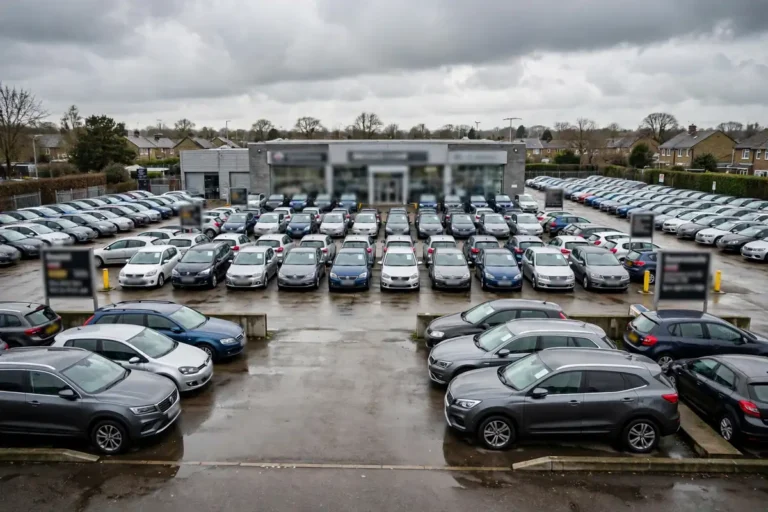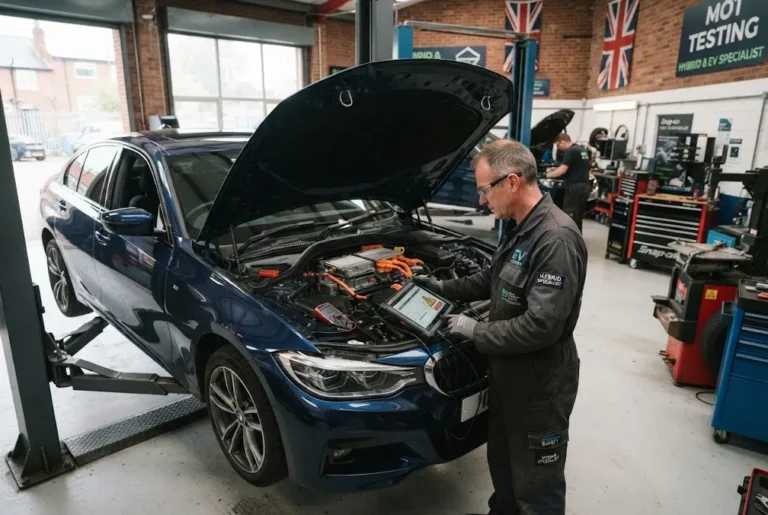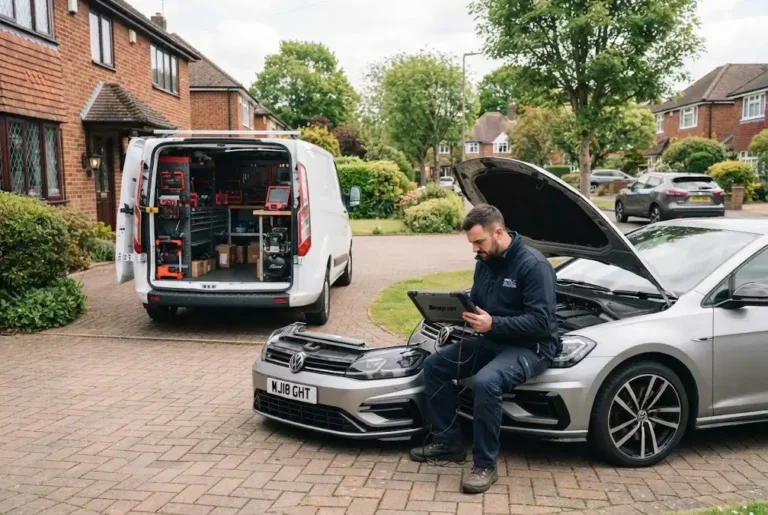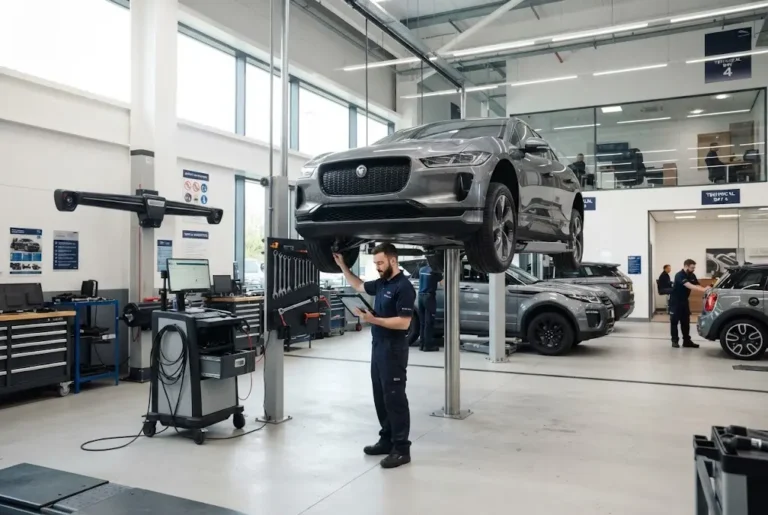
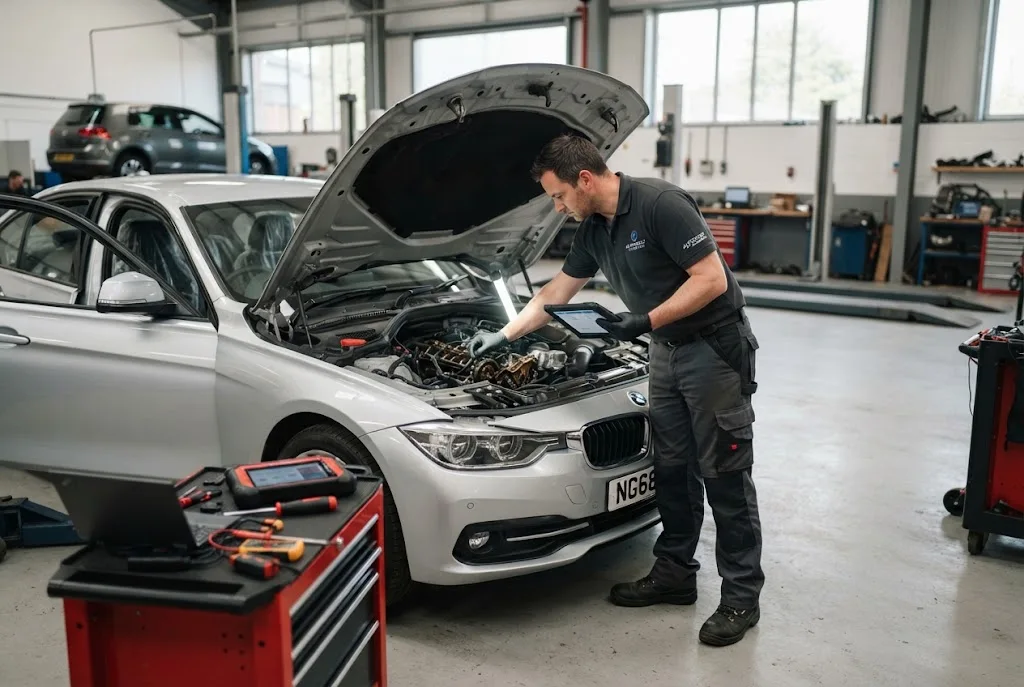
A vehicle inspection can give a used-car buyer a clearer picture of a vehicle’s condition before money changes hands. A seller’s description, photographs and service history can provide useful information, but they may not reveal every mechanical, structural or safety issue.
For buyers in the UK, an independent inspection can be particularly useful when purchasing an older vehicle, a high-mileage car or a vehicle with limited documentation. It can help identify problems that may affect the car’s value, future running costs or suitability for the buyer’s needs.
A vehicle inspection is not a guarantee that a car will never develop a fault. Instead, it provides an additional source of evidence that can help a buyer make a more informed decision.
What Is a Vehicle Inspection?
A vehicle inspection is an assessment of a vehicle’s condition carried out using a range of visual, mechanical and functional checks. The exact scope depends on the inspection provider and the level of inspection purchased.
Depending on the service, an inspection may examine areas such as the engine, transmission, brakes, suspension, steering, tyres, bodywork, interior and electrical systems. The inspector may also identify signs of previous accident damage, poor repairs or general wear.
Some inspections are designed specifically for buyers and are often described as pre-purchase inspections. Others may be broader condition reports intended to provide an assessment of an existing vehicle.
Why Pre-Purchase Inspections Matter
Buying a used car involves some uncertainty because the buyer cannot always know how the vehicle has been treated throughout its life. Two cars of the same age and model can have very different conditions depending on mileage, servicing, driving habits and previous repairs.
A professional inspection can reduce some of that uncertainty by providing an independent assessment before the purchase is completed.
This can be particularly valuable when a vehicle appears unusually cheap. A low asking price may be genuine, but it could also reflect mechanical problems, significant cosmetic damage or upcoming maintenance requirements.
An inspection can also help a buyer understand whether the vehicle is reasonably priced for its actual condition. If significant defects are identified, the buyer may decide to negotiate, request repairs or walk away from the transaction.
What Does a Vehicle Inspection Check?
The exact inspection process varies, but a comprehensive assessment can cover several important areas.
Engine and Mechanical Components
An inspector may look for visible leaks, unusual noises, signs of poor maintenance and other indications of mechanical problems. The assessment may also consider the general condition of accessible engine components.
A basic inspection cannot necessarily identify every internal engine problem. However, obvious warning signs can still provide valuable information before purchase.
Brakes and Suspension
Braking and suspension components are important for both safety and future maintenance costs. Inspectors may look for visible wear, corrosion, leaks or other defects affecting components such as brake discs, pads, shock absorbers and suspension parts.
Issues in these areas may not always be obvious from photographs or a short viewing at a dealership.
Tyres and Wheels
Tyre condition should also be considered when assessing a used vehicle. Uneven wear may sometimes indicate alignment, suspension or other underlying problems.
Buyers can also review the vehicle’s tyre condition alongside broader tyre services and maintenance considerations. A car that needs several tyres soon after purchase represents an additional ownership cost that should be reflected in the buyer’s overall budget.
Bodywork and Structural Condition
Inspectors may examine the exterior for dents, scratches, corrosion, paint inconsistencies and evidence of previous repairs. Differences in paint finish or panel alignment can sometimes indicate previous bodywork.
Structural damage is particularly important because it can have implications for safety and value. Buyers should not assume that a vehicle is structurally sound simply because it looks attractive from a distance.
Electrical and Interior Features
Depending on the inspection package, electrical equipment and interior features may also be checked. This can include lights, windows, locks, dashboard warning indicators and other controls.
Small faults can become expensive when multiple electrical components require attention, so identifying them before purchase can improve the buyer’s understanding of likely ownership costs.
How Inspection Reports Help Used-Car Buyers
Inspection reports provide a written record of the inspector’s findings. The format varies between providers, but a useful report should make it reasonably clear which areas were checked and what issues were identified.
Buyers should read the report carefully rather than focusing only on a general rating or headline conclusion. Minor issues may be acceptable on an older used vehicle, while a seemingly small defect in a safety-critical area may deserve more attention.
A good report can also help a buyer prioritise potential expenses. For example, one vehicle might have several cosmetic imperfections but mechanically sound components, while another might look excellent but require significant mechanical work.
Service History and Vehicle History Are Different
Service history can provide evidence that routine maintenance has been carried out, but it should not be treated as a complete substitute for an inspection.
The Service records can show dates, mileage and work that has been documented. However, they may not reveal every current condition issue. A car could have a well-documented service history and still develop a problem after its latest service.
Vehicle history checks are also useful, but they serve a different purpose. A history check may provide information about aspects such as recorded mileage, insurance-related events or outstanding finance, depending on the provider and information available.
Combining documentation with an independent inspection gives the buyer several different sources of information rather than relying on one record.
Vehicle Inspection and MOT History
UK buyers can review a vehicle’s MOT history through the official GOV.UK service. The record can show previous MOT results, recorded mileage at tests and certain advisory information.
However, MOT history should not be confused with a comprehensive pre-purchase inspection. An MOT is a legal test assessing whether a vehicle meets the required standards at the time of the test. It is not a complete mechanical health assessment.
A car can therefore have a current MOT and still require repairs or maintenance. Buyers should consider the MOT record alongside service history, vehicle history and an independent inspection.
What Inspection Standards Should Buyers Look For?
There is no single inspection format that applies to every private used-car purchase. Providers can offer different levels of assessment, from basic visual checks to more comprehensive inspections.
Before booking an inspection, buyers should establish exactly what is included. Questions worth asking include:
- Which mechanical components will be inspected?
- Will the vehicle be road tested?
- Will diagnostic equipment be used?
- Are structural or accident-related concerns included?
- Will the inspection identify items that may need attention soon?
- What is excluded from the report?
- Will photographs or supporting evidence be provided?
Understanding the scope helps buyers avoid assuming that an inspection covers areas that are actually excluded.
When Should You Arrange a Vehicle Inspection?
A pre-purchase inspection can be particularly useful when:
- The vehicle is expensive or represents a major financial commitment.
- The car is older or has high mileage.
- The seller provides limited maintenance information.
- The vehicle has had several previous owners.
- The car has visible cosmetic or mechanical concerns.
- The buyer is purchasing remotely.
- The vehicle is being sold privately.
- The buyer has limited mechanical knowledge.
It may be less practical to arrange an inspection for every low-value purchase, but the potential cost should be weighed against the risk of inheriting an expensive problem.
Can an Inspection Help With Price Negotiation?
Yes, an inspection can provide useful evidence during price discussions. If an independent report identifies legitimate repair requirements, the buyer has a clearer basis for asking the seller to reduce the price or address the problem before completion.
However, buyers should avoid treating every inspection finding as a reason for a large discount. Used vehicles naturally have some wear, especially as mileage and age increase.
The more useful approach is to distinguish between normal wear, minor defects, safety concerns and potentially expensive mechanical problems.
Vehicle Inspection and Repair Costs
One of the biggest advantages of an inspection is that it can help buyers think beyond the purchase price.
A car advertised at an attractive price may require immediate tyre replacement, brake work, suspension repairs or other maintenance. Once those costs are added, the supposedly cheaper vehicle may no longer represent better value.
Understanding potential repair costs can also help buyers plan their finances. If a significant issue is identified after purchase, options such as repair finance may be relevant, although borrowing should always be assessed carefully against the total cost and the buyer’s budget.
The inspection therefore contributes to a broader assessment of ownership affordability rather than simply answering whether the vehicle looks good.
Limitations of a Vehicle Inspection
No inspection can predict every future fault. Components can fail after an inspection, and some problems may only become apparent under particular conditions.
Inspection providers may also exclude certain components or limit their assessment depending on the package selected. Buyers should therefore read the inspection terms carefully.
An inspection should be viewed as one part of a wider due-diligence process that includes checking documentation, verifying the vehicle’s identity and reviewing available history.
A Practical Checklist Before Buying a Used Car
Before completing a used-car purchase, buyers can consider the following process:
- Check the vehicle identification details against the documentation.
- Review the available MOT history.
- Ask to see the service records.
- Research the vehicle’s history using an appropriate service.
- Inspect the car in suitable lighting and conditions.
- Take a proper test drive where permitted and insured.
- Consider an independent pre-purchase inspection.
- Review the inspection report carefully.
- Estimate immediate and near-term maintenance costs.
- Compare the total expected ownership cost with alternative vehicles.
This approach creates a more complete picture than relying on a seller’s description or a short test drive alone.
Final Thoughts on Vehicle Inspection
A vehicle inspection can be a valuable tool for UK motorists considering a used-car purchase. It can uncover visible mechanical, safety and condition issues that may not be apparent during an ordinary viewing and can help buyers understand the likely costs of ownership.
However, an inspection works best when combined with MOT records, service history, vehicle history and a careful test drive. Each source answers different questions, and together they can provide stronger evidence about the vehicle’s condition and background.
For buyers, the goal should not simply be to find a car that looks good on the day. It should be to understand what is being purchased, what maintenance may be required and whether the vehicle represents sensible value over the period it is expected to be owned.
Before buying, motorists can also use the official GOV.UK MOT history service to review the vehicle’s recorded test history.