Mobile auto service is changing how some motorists access vehicle maintenance and repairs in Britain. Instead of taking a car to a traditional workshop, a technician can travel to a customer’s home, workplace or another suitable location to carry out selected services. This model combines established mechanical skills with field servicing, digital booking systems and increasingly flexible approaches to automotive work.
The growth of mobile mechanics also reflects broader changes in the labour market. Self-employed technicians, small automotive businesses and digital platforms are creating alternatives to conventional workshop-based operations. However, mobile servicing has practical limits, and not every repair can be completed outside a fully equipped garage.
What Is Mobile Auto Service?
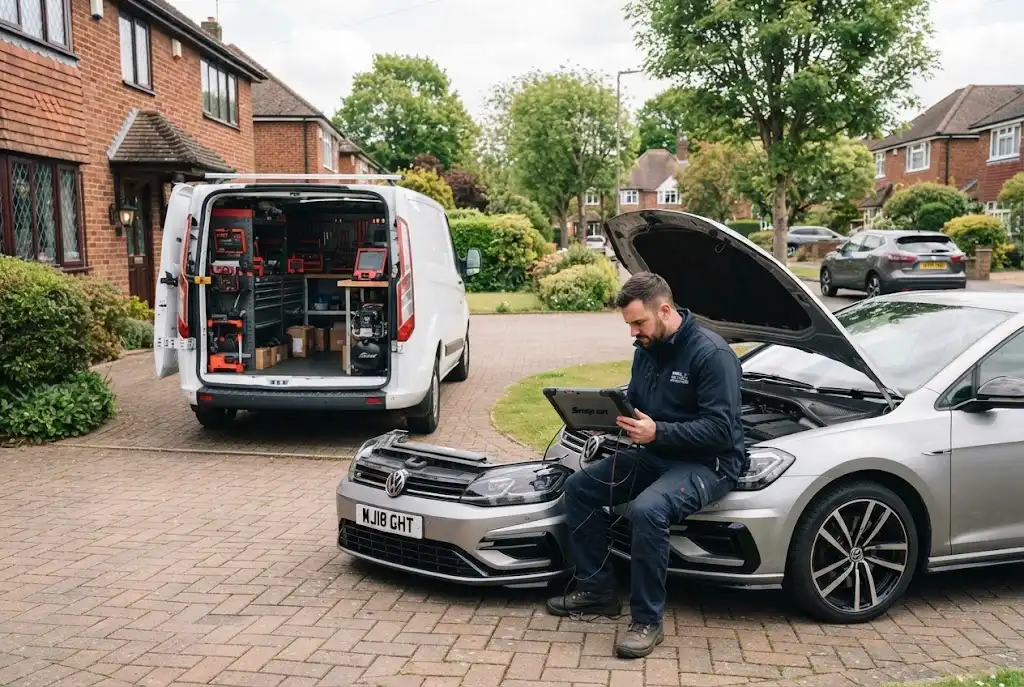
Mobile auto service refers to vehicle maintenance or repair work delivered at a location chosen by the customer rather than requiring the vehicle to be taken into a fixed workshop.
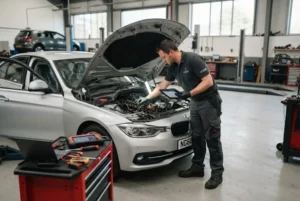
A mobile mechanic may provide services such as vehicle diagnostics, battery-related work, minor repairs, servicing and other tasks that can safely be completed with portable equipment. The exact range depends on the technician’s skills, equipment, insurance arrangements and the type of work involved.
The main difference from a conventional garage is therefore the location of the service. The technician brings the necessary tools and equipment to the vehicle, potentially reducing the need for the customer to arrange transport or spend time waiting at a workshop.
Why Mobile Mechanics Are Gaining Attention
The appeal of a mobile mechanic is closely connected to convenience. A motorist with a vehicle that cannot easily be driven may find an on-site service particularly useful. Other customers may simply prefer having routine work completed at home or at their workplace.
Convenience can also matter for busy households and businesses operating several vehicles. A mobile technician may be able to work around the customer’s schedule, subject to the type of repair and the location being suitable.
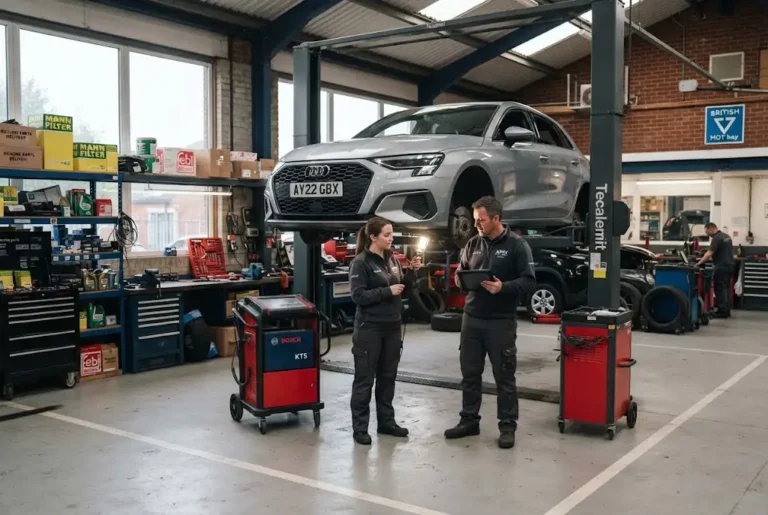
However, mobile servicing should not be viewed as a universal replacement for garages. Major mechanical work, complex repairs, lifting requirements, specialist equipment and jobs involving substantial workshop space may still require a fixed facility.
How Mobile Auto Service Businesses Operate
A typical mobile operation can be relatively lean compared with a conventional workshop. Instead of paying for a large premises with multiple vehicle bays, the business may operate primarily from a service vehicle containing tools, diagnostic equipment, parts and other necessary equipment.
This creates a different set of workshop operations, because much of the work happens away from a permanent workshop. Scheduling becomes especially important because travel time forms part of the working day.
A technician may need to consider the location of each appointment, expected job duration, traffic conditions, parts availability and whether the customer’s location provides a safe working environment.
Efficient route planning can therefore be as important to a mobile business as efficient vehicle-bay scheduling is to a conventional garage.
The Role of Self-Employed Technicians
Self-employed technicians can use mobile servicing as a way to build an automotive business without operating a traditional customer-facing workshop. The model may provide greater control over working hours, service areas and the types of jobs accepted.
However, self-employment also transfers more responsibility to the individual. A technician may need to manage customer acquisition, quotations, scheduling, purchasing, accounting, insurance, equipment maintenance and compliance alongside the actual repair work.
The business model can therefore offer flexibility while requiring strong organisational and commercial skills. Being a capable technician does not automatically guarantee that a mobile operation will be commercially sustainable.
Digital Platforms Are Changing Customer Access
Digital platforms have made it easier for consumers to discover automotive service providers. Customers can search online, compare service descriptions, read reviews, request appointments and communicate with businesses without visiting a physical premises first.
For mobile mechanics, digital visibility can be particularly valuable because their service area may cover several towns or communities rather than relying entirely on passing trade outside a workshop.
A professional website, accurate business information, online booking and clear descriptions of available services can help customers understand what the technician can and cannot provide.
Digital systems can also reduce administrative work. Automated appointment confirmations and customer messages can help a small operation manage bookings without requiring a separate office team.
Roadside Servicing and Mobile Repairs
Roadside servicing sits close to the mobile mechanic model, although the two are not identical. The Roadside assistance is generally associated with responding when a vehicle has broken down or become immobilised, while mobile servicing can involve planned maintenance at a customer’s chosen location.
Some technicians may provide both types of service. Others focus on scheduled appointments such as servicing, inspections or specific repairs.
The distinction is useful because emergency work and planned mobile maintenance have different operational requirements. A roadside technician may need to respond rapidly, whereas a scheduled mobile mechanic can organise routes and parts in advance.
Field Servicing Requires Different Skills
Field servicing requires technicians to work in environments that may be less controlled than a conventional workshop. Weather, lighting, parking conditions, road access and available workspace can all affect a job.
Technicians therefore need to assess whether a proposed location is appropriate before beginning work. Safety should take priority over convenience, particularly where vehicles need to be lifted or where repairs could create hazards for the public.
Portable equipment also has limitations. A mobile technician must decide which tools and parts are practical to carry while keeping the service vehicle organised and efficient.
The Labour Market and Flexible Employment
Mobile automotive businesses form part of a wider discussion about the labour market and flexible employment. The model can appeal to technicians who want greater independence than a conventional workshop role provides.
Instead of working fixed shifts at one location, a self-employed technician can potentially structure appointments around their preferred schedule. However, flexibility is not the same as guaranteed income.
Travel time, cancellations, seasonal demand, equipment costs and unpaid administrative work can all affect earnings. A mobile technician therefore needs to manage utilisation carefully.
The model also differs from conventional gig-economy work in an important respect: automotive technicians often need substantial training, tools, insurance and professional experience before they can deliver services independently.
Business Innovation in the Automotive Aftermarket
Business innovation in automotive servicing is not limited to new vehicle technology. It can also involve changing how services are delivered.
Mobile mechanics illustrate this shift by moving some maintenance activities away from the traditional workshop. The model can combine a technician’s specialist knowledge with digital customer acquisition, portable equipment and flexible scheduling.
Other businesses may adopt hybrid models. A company could operate a fixed workshop for complex repairs while also sending technicians to customers for selected services. This approach can expand the range of ways customers interact with the business.
Which Services Suit a Mobile Model?
The suitability of mobile servicing depends heavily on the job. Services that require limited space and portable equipment can be more suitable for on-site work.
Examples may include certain diagnostic tasks, battery-related services, minor mechanical repairs and selected routine maintenance activities. More complex jobs may require workshop facilities, vehicle lifts, specialist machinery or controlled working conditions.
Customers should therefore confirm what equipment and services a mobile technician can provide before booking. A clear description of the job can help the technician determine whether it is suitable for a mobile appointment.
Advantages for Customers
Convenience is the most obvious advantage. Customers may avoid travelling to a garage, arranging alternative transport or waiting for a vehicle to be completed.
Mobile servicing can also be useful when a vehicle has limited mobility. Having a technician attend the vehicle may be more practical than attempting to drive a car that has developed a fault.
For business fleets, mobile services can potentially reduce downtime by allowing selected maintenance tasks to take place at the vehicle’s operating location.
Challenges for Mobile Service Providers
The mobile model also has limitations. Travel consumes time and fuel, while weather can make outdoor work difficult. Parts availability can become a problem if the technician discovers an unexpected fault during an appointment.
There is also a practical limit to what can be carried in a service vehicle. A fixed workshop can maintain a much wider range of equipment, tools and replacement components.
These constraints mean successful mobile businesses need careful job selection and realistic scheduling. Accepting a job that requires equipment unavailable in the field can result in delays, additional travel and customer dissatisfaction.
The Future of Mobile Auto Service in Britain
The future of mobile auto service will likely depend on how well businesses balance convenience with technical capability. Digital booking and customer communication can make mobile services easier to access, while improvements in portable diagnostic equipment may expand the range of work technicians can perform on-site.
At the same time, traditional garages will remain essential for repairs requiring specialist facilities. The two models can therefore coexist rather than compete for exactly the same work.
As vehicle ownership patterns, technology and customer expectations continue to change, motorists may increasingly expect automotive businesses to offer more flexible ways of accessing maintenance.
What Mobile Servicing Means for Britain’s Automotive Market
Mobile mechanics demonstrate how the automotive aftermarket can adapt to changing customer needs. The model brings vehicle expertise closer to the customer while creating opportunities for technicians to build flexible businesses.
For motorists, the key is matching the job to the right type of service provider. A mobile appointment can be convenient for suitable maintenance and repair work, while complex jobs may still require a fully equipped garage.
Ultimately, mobile auto service represents one part of a broader evolution in automotive care. It combines field servicing, digital access and flexible work with the established technical knowledge of the repair industry. As Britain’s vehicle market continues to evolve, these alternative service models are likely to remain part of the conversation about how motorists maintain their vehicles.