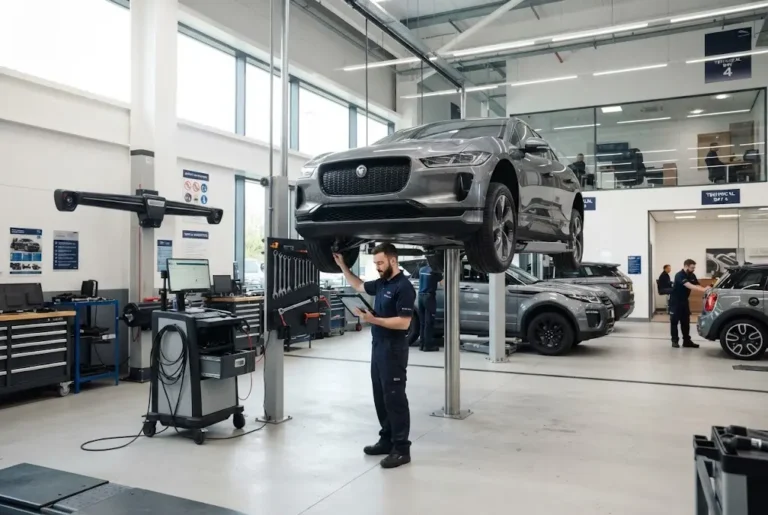
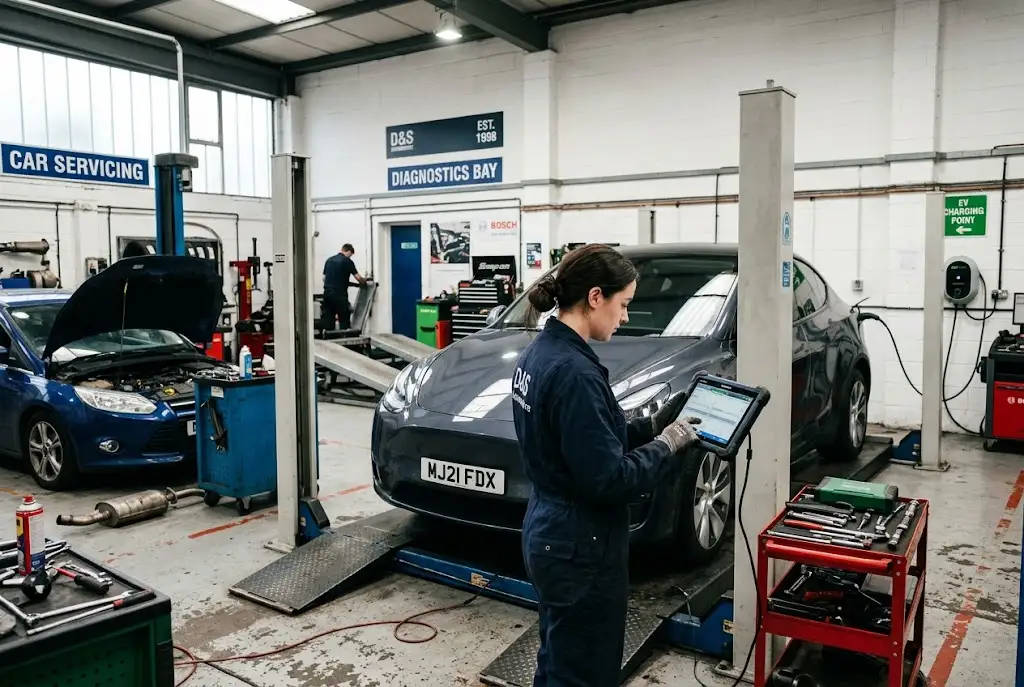
Car servicing in the UK is changing. What was once largely associated with routine mechanical checks, oil changes and scheduled maintenance has developed into a more technically demanding part of modern vehicle ownership. Connected systems, electrification, advanced driver assistance technology, changing ownership patterns and increasingly informed consumers are all influencing how vehicles are serviced and maintained.
For drivers, these changes can affect what a service includes, how often a vehicle needs attention and where owners choose to have work carried out. For garages and the wider automotive aftermarket, they are creating new demands for equipment, training and technical expertise. Understanding this evolution helps explain why vehicle servicing has become an increasingly important part of the UK’s changing automotive landscape.
What Does Car Servicing Mean Today?
At its core, car servicing is planned maintenance intended to assess and maintain a vehicle’s condition. The exact work depends on the vehicle, its manufacturer recommendations, mileage, age and usage. A service may involve inspections, fluid checks, replacement of consumable items and checks of components that can affect reliability and performance.
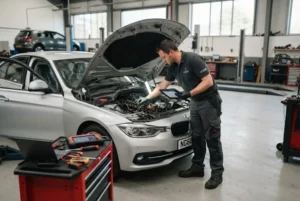
However, modern servicing extends beyond traditional mechanical tasks. Technicians may need diagnostic equipment to identify electronic faults, understand warning systems or assess technology integrated into the vehicle. As cars become more software-dependent, the technical knowledge required to maintain them is changing as well.
This is part of a broader transformation across the UK auto services industry, where workshops are adapting to increasingly sophisticated vehicles and evolving customer expectations.
Car Servicing and the Different Types of Service
Motorists may encounter several different service descriptions when booking maintenance. Although terminology can vary between manufacturers and garages, three common categories are an interim service, a full service and a major service.
Interim Service
An interim service is generally designed for vehicles that receive more frequent maintenance or cover relatively high annual mileage. It typically involves essential checks and maintenance items between more comprehensive services.
The exact inspection and replacement schedule should always be checked against the vehicle manufacturer’s recommendations rather than assuming that every garage uses an identical checklist.
Full Car Service
A full car service normally provides a broader set of checks than an interim service. Depending on the vehicle and service schedule, this can include inspections of major mechanical and safety-related components, fluid levels and filters, as well as other maintenance tasks.
For drivers, the important point is that a full service should be understood in the context of the vehicle’s specific maintenance requirements. Two cars can have different servicing schedules even when they appear similar in size or age.
Major Service
A major service is generally the most comprehensive routine maintenance appointment within a vehicle’s servicing cycle. It can include additional replacement items and inspections that are not required at every routine service.
Because servicing requirements differ significantly between models, owners should use the manufacturer’s maintenance schedule as the starting point when deciding what work is due.
How Car Servicing Has Evolved
The history of vehicle servicing reflects the evolution of the vehicles themselves. Older cars relied heavily on mechanical systems that could often be assessed through physical inspection and relatively straightforward repairs. Modern cars still contain many mechanical components, but these now operate alongside extensive electronic systems.
That change has altered the role of the technician. Mechanical expertise remains essential, yet diagnostic capability has become increasingly important. A warning light or drivability issue may require electronic testing before a technician can identify the underlying problem.
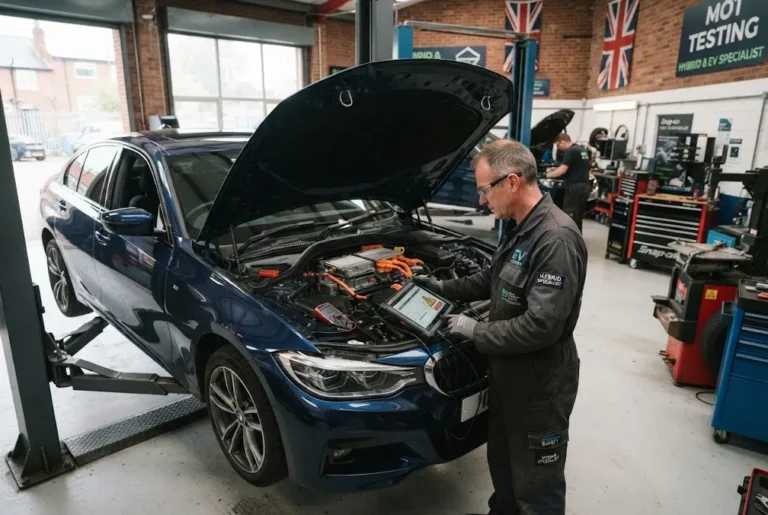
The transition towards electric and hybrid vehicles adds another layer. Different powertrains require different technical knowledge and safety procedures, particularly where high-voltage systems are involved.
According to the Society of Motor Manufacturers and Traders (SMMT), 81.2% of surveyed UK aftermarket workshops were equipped to service electric vehicles in research published in September 2025. The same survey found that 77.6% were equipped to service and maintain Advanced Driver Assistance Systems.
Technology Is Reshaping Vehicle Servicing
Technology is one of the strongest forces behind servicing trends in the UK. Modern vehicles can incorporate systems for driver assistance, connectivity, electronic control and automated safety functions. Maintaining these systems can require specialist diagnostic tools and appropriately trained technicians.
Advanced Driver Assistance Systems, commonly known as ADAS, provide a useful example. Features such as lane-keeping assistance, adaptive cruise control and autonomous emergency braking depend on sensors and electronic systems that may need specialist attention following certain repairs or adjustments.
As these technologies become more common, servicing increasingly involves understanding how mechanical repairs interact with electronic and safety systems. This means the modern workshop needs to operate as both a mechanical and technological environment.
Changing Consumer Behaviour and Car Servicing
The evolution of the industry is also being influenced by consumer behaviour. Drivers have more ways to research garages, compare services and read customer reviews before making a booking. Digital communication has made it easier to request estimates, arrange appointments and receive updates about repair work.
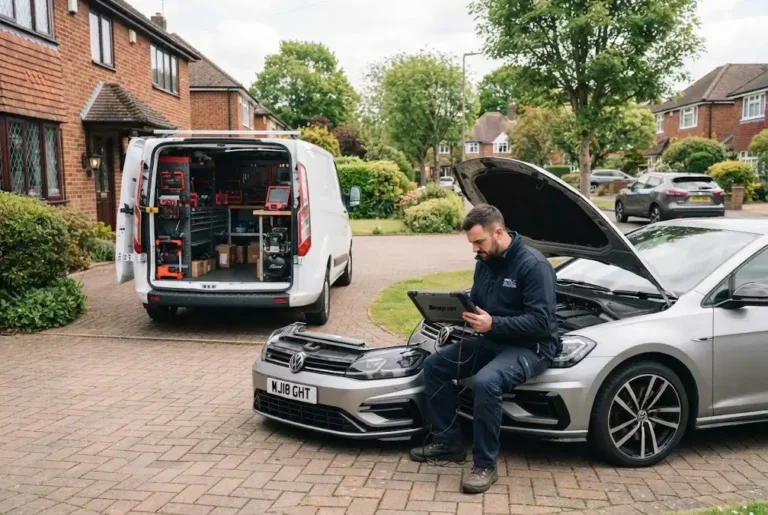
Convenience is becoming increasingly important. Some motorists value online booking, transparent pricing, collection and delivery services or mobile maintenance options. Others continue to prioritise a trusted local garage where they have an established relationship with technicians.
This creates a competitive environment in which garages must provide more than technical work alone. Clear communication and confidence in the quality of the service can strongly influence whether customers return.
Does a Longer Vehicle Lifespan Change Servicing Demand?
Ownership patterns can have a significant effect on the servicing market. When motorists keep vehicles for longer, those cars remain within the aftermarket for more years and may require increasing levels of maintenance as components age.
At the same time, newer vehicles can introduce different requirements. A relatively new electric vehicle may have fewer traditional engine-related maintenance needs, while still requiring attention to tyres, brakes, suspension, cooling systems, software-related issues and other components.
This is why vehicle servicing cannot be assessed simply by counting the number of vehicles on the road. The type, age, powertrain and usage of those vehicles all influence demand for maintenance.
The Cost of Car Servicing
Cost remains one of the most important considerations for motorists. However, comparing service prices can be difficult if two providers are offering different levels of work.
A low headline price does not necessarily represent better value if important maintenance items are excluded. Conversely, a more expensive service may include additional inspections or manufacturer-specific requirements that explain the difference.
Drivers should therefore consider what is included, whether replacement parts are required, the vehicle’s service schedule and whether the garage has the equipment and expertise appropriate for the vehicle.
Servicing should also be viewed as part of the broader economics of ownership. Our analysis of vehicle maintenance and ownership costs examines how maintenance decisions can influence the longer-term cost of keeping a vehicle on the road.
Independent Garages Versus Manufacturer Networks
UK motorists have considerable choice when deciding where to have their cars serviced. Manufacturer-approved networks operate alongside independent garages, national chains and specialist workshops.
Manufacturer networks may provide brand-specific systems, manufacturer diagnostic equipment and technicians familiar with particular models. Independent garages can offer another option, often competing through local relationships, convenience, specialist expertise or pricing.
The right choice depends on the vehicle and the owner’s circumstances. For increasingly complex vehicles, however, technical capability is an important consideration regardless of whether the provider is independent or manufacturer-affiliated.
Why Training Matters More Than Ever
As servicing technology changes, technician training becomes a central issue for the industry. A modern workshop may need knowledge spanning conventional engines, hybrid systems, electric vehicles, electronic diagnostics and advanced safety technologies.
SMMT’s 2025 aftermarket research highlighted substantial investment by workshops in skills and equipment. Among workshops already equipped to service EVs, 83.3% expected their spending on this capability to increase over the following year. The research also reported that 83.5% of workshops equipped for ADAS expected to increase spending on ADAS training and equipment.
This investment matters because technology is changing faster than traditional maintenance practices can remain static. A workshop that does not keep its skills and equipment current may eventually find it difficult to support newer vehicles effectively.
Car Servicing and the Wider UK Aftermarket
The scale of the wider market demonstrates why these changes matter. SMMT’s 2025 Aftermarket Report describes a UK ecosystem supporting more than 42 million vehicles and tens of thousands of workshops. The organisation estimated that the aftermarket contributes £17.1 billion to UK GDP and supports at least 339,000 jobs.
This ecosystem includes independent workshops, manufacturer-approved repairers, parts distributors, suppliers and other businesses. As a result, changes in car servicing can have consequences throughout the automotive supply chain.
Technology also creates opportunities. Businesses that invest in specialist skills, diagnostic equipment and emerging vehicle capabilities can position themselves to serve a changing vehicle parc. At the same time, access to appropriate technical information remains important for maintaining competition and consumer choice.
What Drivers Should Expect From Future Servicing
The future of car servicing is unlikely to be defined by one single technology. Instead, several changes will develop together.
Electric and hybrid vehicles will continue to influence workshop requirements. Connected vehicles may increase the role of digital diagnostics. ADAS technology will require appropriate calibration and technical expertise. Meanwhile, consumers are likely to continue expecting convenient booking, clear explanations and transparent pricing.
Routine maintenance will therefore remain important, but the nature of that maintenance will continue to evolve. A modern service appointment may involve significantly more diagnostic and electronic knowledge than motorists traditionally associate with a garage visit.
How to Approach Car Servicing as a UK Driver
For motorists, the best approach is to follow the manufacturer’s recommended maintenance schedule and understand what work is actually due. Keeping service records can also help demonstrate how a vehicle has been maintained over time.
Before booking, drivers should ask what the service includes, whether any additional work is expected and whether the workshop has the appropriate equipment for the vehicle. If a car uses hybrid, electric or advanced driver-assistance technology, relevant technical capability should be considered when choosing a service provider.
It is also important to distinguish routine servicing from the statutory MOT test. An MOT assesses whether a vehicle meets required standards at the time of testing, while servicing is concerned with broader vehicle maintenance. Our dedicated MOT and service guide explores that distinction and the regulatory side of vehicle testing.
The Next Stage of the UK Servicing Industry
Car servicing is moving from a predominantly mechanical discipline towards a broader technical service that combines maintenance, diagnostics, electronics and specialist knowledge. That does not make traditional automotive skills less important; instead, it adds new requirements around them.
For consumers, the result should be greater awareness of what their vehicles actually require. For garages, the challenge is to keep pace with technology while continuing to deliver reliable, transparent and convenient service.
The wider UK automotive aftermarket has already shown its ability to adapt. With vehicle technology continuing to develop, the next phase of the industry will depend on investment in people, equipment and technical capability. Understanding these changes is essential for anyone interested in how Britain maintains the vehicles that keep households and businesses moving.