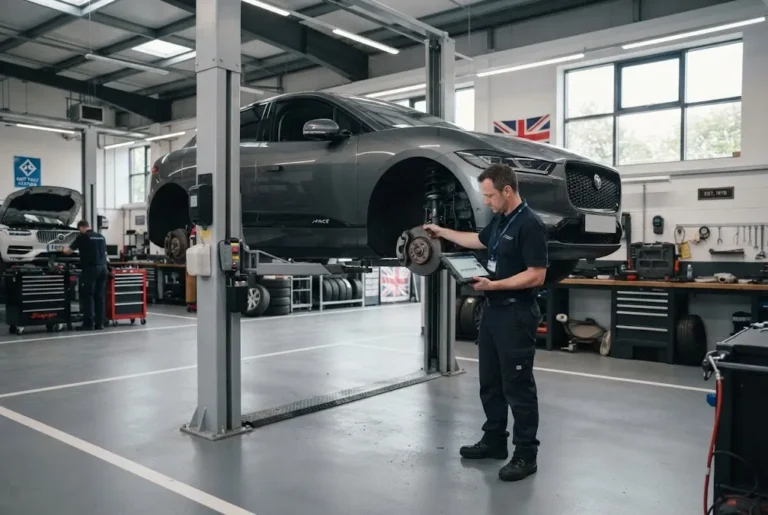
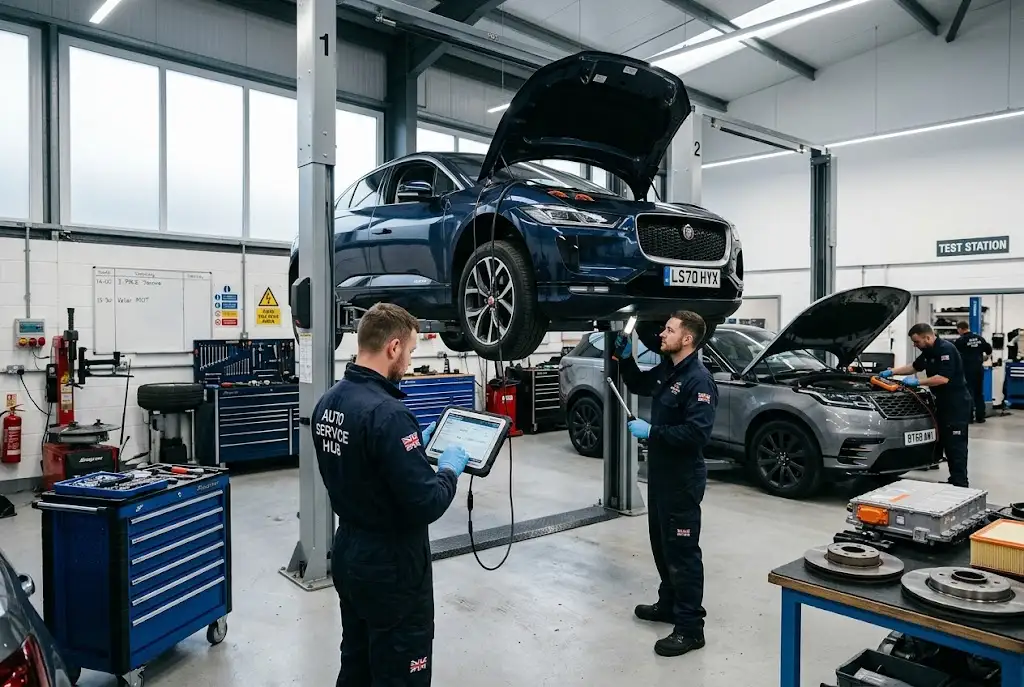
The UK’s auto services industry is much bigger and more complex than a visit to the local garage might suggest. Behind routine servicing, repairs, diagnostics and inspections sits a large automotive aftermarket made up of independent garages, franchised networks, parts suppliers, specialist workshops and increasingly technology-led service providers. As vehicles become more connected, electrified and technically sophisticated, the industry is entering another important period of transformation.
For motorists, this evolution affects more than where a car is repaired. It can influence servicing choices, ownership costs, repair expectations, access to technical expertise and the way vehicle maintenance is delivered. For businesses, meanwhile, changing vehicle technology and consumer behaviour are creating both opportunities and challenges.
What Does the UK Auto Services Industry Include?
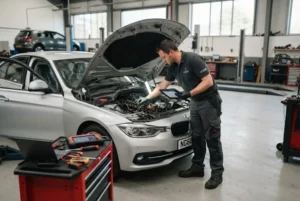
At its broadest, the UK auto services market covers the businesses and professionals responsible for keeping vehicles roadworthy, reliable and operational throughout their working lives. This includes routine maintenance, mechanical repairs, diagnostics, inspections, parts replacement, tyres, body repairs and other specialist services.
The wider UK automotive aftermarket also includes parts distribution, retail, accessories and other activities that support vehicles after their initial sale. The sector therefore connects motorists with an extensive supply chain stretching from manufacturers and parts producers to workshops and independent service providers.
The Society of Motor Manufacturers and Traders (SMMT) describes the aftermarket as a sophisticated ecosystem supporting more than 42 million vehicles and tens of thousands of workshops across the UK. Its 2025 aftermarket report estimated that the sector generates £62.2 billion in turnover, contributes £17.1 billion to UK GDP and supports at least 339,000 jobs. SMMT’s aftermarket analysis provides a useful picture of the sector’s scale and changing structure.
Why Auto Services Matter to UK Motorists
Vehicles remain essential to everyday life across the UK. People depend on cars and commercial vehicles for commuting, family responsibilities, business activity and access to services. Keeping those vehicles dependable therefore has implications that extend beyond convenience.
Regular servicing and timely repairs can help identify developing problems before they become more disruptive. At the same time, appropriate maintenance can help owners understand the condition of an ageing vehicle and make more informed decisions about whether to repair, replace or continue running it.
This is one reason the changing landscape of car servicing deserves separate attention. Servicing is no longer simply about replacing fluids and checking mechanical components. Modern vehicles can require electronic diagnostics, software-related knowledge, calibration equipment and specialist understanding of increasingly complex systems.
The Structure of the UK Automotive Aftermarket
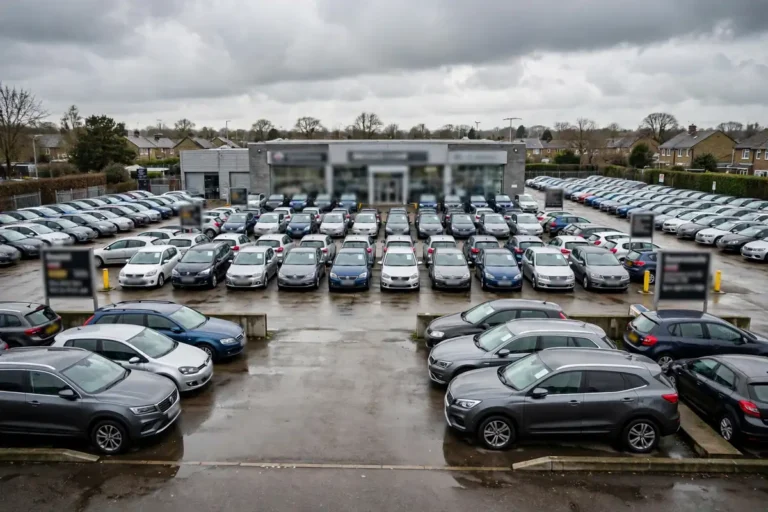
One of the defining characteristics of the UK market is its diversity. A motorist may choose between a manufacturer-approved dealer, a national repair chain, an independent garage or a specialist workshop. Mobile services and online booking systems have also changed how some consumers access vehicle support.
Independent businesses remain an important part of this structure. They can offer motorists an alternative to manufacturer networks and may compete through pricing, convenience, specialist expertise or established local relationships. At the other end of the market, franchised networks can provide brand-specific knowledge, manufacturer systems and access to approved parts and procedures.
This variety gives consumers choice, but it also creates a market in which businesses must continually demonstrate value. Price remains important, yet it is only one part of the decision. Trust, technical competence, transparency, convenience and the quality of workmanship can all influence where a customer chooses to take a vehicle.
How Vehicle Technology Is Transforming Auto Services
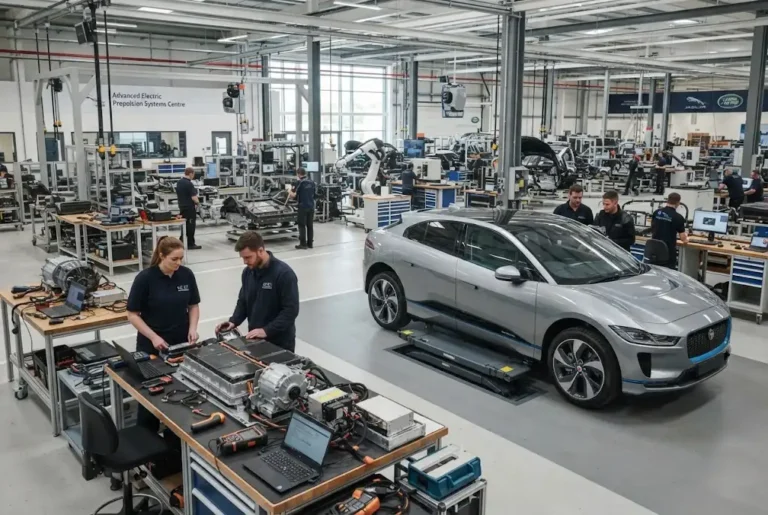
The biggest structural change facing the vehicle servicing industry is the increasing technological complexity of modern vehicles. Electrification is an obvious example, but it is not the only development affecting workshops.
Advanced Driver Assistance Systems, connected vehicle technology, sophisticated electronic control systems and increasingly complex diagnostic requirements are changing the skills and equipment required to maintain modern cars.
SMMT reported in 2025 that 81.2% of surveyed UK aftermarket workshops were equipped to service electric vehicles. The same research found that 77.6% were equipped to service and maintain Advanced Driver Assistance Systems. These figures indicate that investment in training and equipment is already becoming a central part of industry transformation.
For workshops, adapting to these technologies can involve significant investment. Technicians need relevant training, while businesses may need specialist diagnostic equipment, safety systems and procedures appropriate for newer powertrains. The transition therefore affects workshop economics as much as it affects engineering.
The Economics Behind Auto Services
The economics of vehicle upkeep are closely connected to how motorists use and retain their vehicles. A vehicle that remains on the road for many years creates continuing demand for maintenance, replacement parts and repairs. As vehicles age, the balance between routine servicing and unexpected repair work can change considerably.
Understanding this relationship is important when examining vehicle maintenance and ownership costs. Maintenance is not simply an expense attached to a single visit to a garage. It forms part of the overall lifecycle cost of operating a vehicle.
For workshops, the economics are equally important. Labour availability, parts prices, equipment investment, energy costs, premises and technician training all affect the cost of providing an auto service. Businesses must balance these expenses against what customers are prepared to pay while maintaining appropriate standards of workmanship.
Independent Garages and the Repair Market
Independent garages occupy a particularly important position within the UK repair market. They serve local communities, compete with larger networks and often build long-term relationships with customers who value personal service and familiarity.
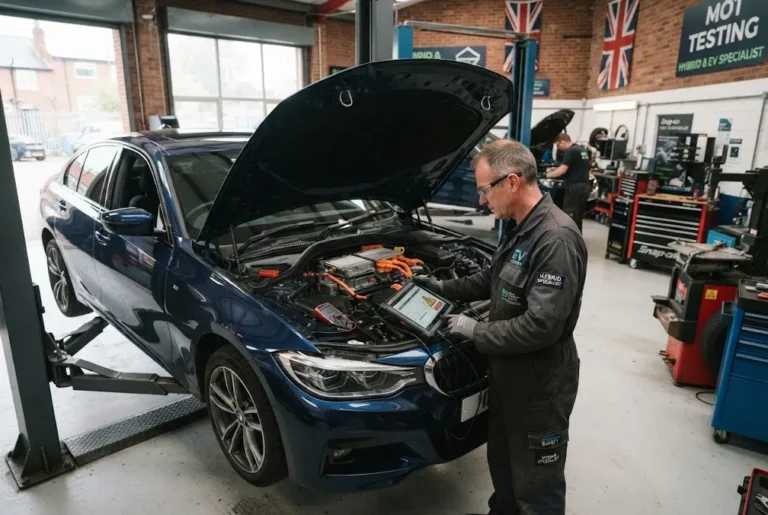
However, independence does not remove the pressures created by technological change. A garage working primarily on older petrol or diesel vehicles may increasingly encounter hybrid systems, electric powertrains, sophisticated driver-assistance technology and computer-controlled components.
These developments make skills and investment increasingly important. The future competitiveness of many repair businesses may depend not only on mechanical expertise but also on their ability to diagnose modern vehicles accurately and invest in appropriate training.
Our deeper look at auto repair services and the repair industry examines these pressures from the perspective of workshops, labour, repair quality and market structure.
Consumer Choice Is Changing Too
The evolution of the industry is not being driven by technology alone. Consumer behaviour is also changing how motorists approach vehicle care.
Drivers increasingly expect convenient booking, clear pricing, straightforward communication and faster access to information. Digital tools make it easier to compare businesses, read reviews and arrange appointments. At the same time, motorists are becoming more familiar with different types of vehicles and may expect workshops to explain increasingly technical problems in understandable language.
Ownership patterns can also influence demand. Leasing, finance arrangements and longer vehicle lifecycles can produce different servicing requirements and expectations. Meanwhile, the gradual growth of electric vehicles is changing the nature of some maintenance work because electric powertrains have different servicing requirements from conventional internal-combustion engines.
Regulation, Safety and Industry Standards
Auto services operate within a wider regulatory environment designed to support road safety, fair competition and consumer confidence. Businesses must therefore consider more than technical ability when delivering vehicle services.
The Driver and Vehicle Standards Agency (DVSA) plays an important role in the UK vehicle testing system. It approves MOT testers and testing centres and oversees aspects of MOT testing and enforcement. The government’s DVSA information and responsibilities explain its role in maintaining vehicle and road safety standards.
It is also important to distinguish routine servicing from the statutory MOT test. An MOT assesses whether a vehicle meets specified road safety and environmental standards at the time of testing. A service is broader and can involve maintenance and checks intended to support the vehicle’s ongoing condition.
This distinction is explored further in our analysis of MOT and service requirements in the UK, including regulation, compliance and the wider social role of vehicle testing.
The Skills Challenge Facing the Industry
As vehicles become more sophisticated, the definition of a skilled automotive technician is changing. Traditional mechanical knowledge remains valuable, but modern workshops increasingly need expertise in diagnostics, electrical systems, software-supported systems and high-voltage vehicle technology.
This creates a challenge for the wider vehicle servicing industry. Training must keep pace with technological development, while businesses need ways to attract and retain technicians with relevant skills.
The challenge is particularly significant for smaller workshops, where investing in specialist equipment and training can represent a substantial business decision. Nevertheless, failing to adapt could limit the range of vehicles a workshop can confidently service.
Where the UK Auto Services Industry Goes Next
The future of UK auto services is likely to be shaped by several forces working at the same time. Electrification will continue to change vehicle maintenance. Connected systems and driver-assistance technologies will create new diagnostic and calibration requirements. Consumer expectations will continue moving towards convenience and transparency, while businesses will need to manage rising technical and operational demands.
For motorists, this could mean a wider range of specialised services but also a greater need to understand what type of work their vehicle actually requires. For workshops, staying competitive may increasingly depend on combining traditional repair expertise with digital capability and continuous professional development.
The UK’s automotive aftermarket has already demonstrated that it can adapt to major changes in vehicle technology and consumer behaviour. Its next phase will require the same flexibility, but with an even greater emphasis on skills, equipment, trust and technical competence.
Understanding Auto Services as an Industry
Looking at auto services only as individual garage visits misses the larger picture. The industry represents a substantial part of the UK’s mobility infrastructure, connecting motorists, technicians, workshops, manufacturers, parts suppliers and regulators.
Its evolution reflects broader changes in vehicle ownership, technology and the economics of keeping vehicles on the road. As the market moves further towards electrification, connected systems and increasingly sophisticated diagnostics, the businesses that adapt effectively will play a central role in maintaining Britain’s vehicles.
For consumers, understanding this wider landscape can make it easier to evaluate servicing and repair decisions. For industry participants, it highlights why investment in skills, technology and customer experience will remain critical. Together, these developments make the UK auto services industry a significant subject not only for motorists, but for anyone interested in the future of mobility.