Auto care services are changing as British motorists expect greater convenience, clearer communication and more technically capable support throughout vehicle ownership. Traditional servicing and repairs remain central to the market, but the experience surrounding them is evolving as vehicles become more sophisticated and customers increasingly use digital tools to research, book and manage automotive services.
This evolution is not simply about new technology. It also reflects changes in ownership trends, servicing behaviour, customer expectations and the way motorists think about vehicle maintenance. For garages and service businesses, understanding these developments is becoming increasingly important.
What Are Auto Care Services?
Auto care services cover a broad range of activities designed to keep vehicles maintained, functional and suitable for continued use. Depending on the business, this can include routine servicing, inspections, diagnostics, brake work, tyre services, battery checks, fluid maintenance and mechanical repairs.
The phrase can also describe the wider customer experience surrounding vehicle care. Booking an appointment, receiving a repair explanation, approving work, collecting the vehicle and arranging future servicing can all form part of how customers experience an automotive business.
This broader perspective matters because motorists rarely judge a workshop solely by the technical work performed. They may also consider convenience, communication, transparency and how confidently the business handles their vehicle.
How Auto Care Services Are Changing
The development of auto care services reflects several changes happening at the same time. Vehicles contain more electronic systems, motorists have greater access to online information and workshops increasingly use digital tools to manage their operations.
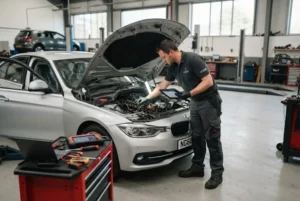
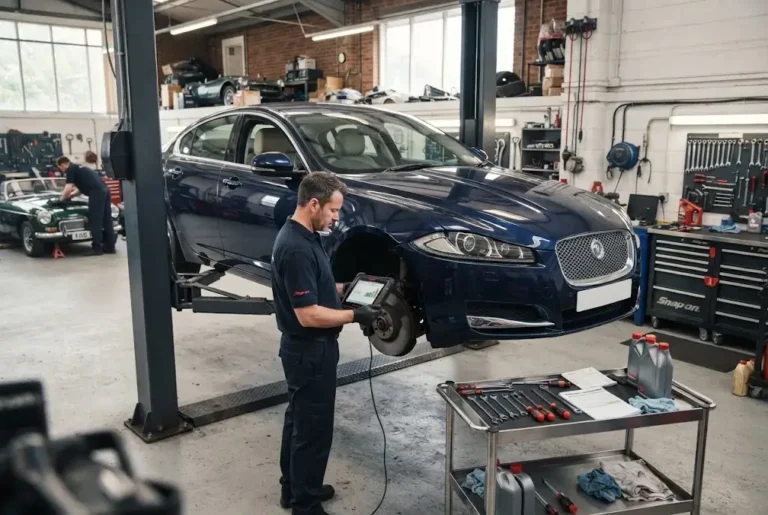
Modern vehicles can require sophisticated diagnostic equipment alongside traditional mechanical knowledge. A technician may need to interpret electronic fault information before deciding whether a physical component needs attention.
For customers, much of this complexity happens behind the scenes. What they see instead is a garage that either makes the process straightforward or creates uncertainty about what their vehicle needs.
Consequently, technical capability and customer communication are becoming increasingly connected aspects of the service experience.
Consumer Expectations Are Rising
Consumer expectations have changed across many service industries, and automotive businesses are not isolated from that shift. Customers increasingly expect convenient appointment processes, understandable explanations and timely updates.
A motorist may research a garage before making contact, compare customer reviews and look for information about the services offered. Once a vehicle is booked in, customers may expect confirmation, progress updates and clear information about additional work.
These expectations do not remove the importance of technical competence. Instead, they add another layer to the customer relationship.
For an independent garage, this can create a competitive opportunity. A business that communicates effectively and provides a smooth experience can distinguish itself even when several local workshops offer similar mechanical services.
From Repairing Problems to Managing Vehicle Care
Historically, many motorists associated garages primarily with fixing faults. That remains an important part of the industry, but the relationship can be broader.
Routine servicing, inspections and preventive maintenance can help customers manage their vehicles rather than simply reacting when something fails. This creates an ongoing relationship between motorists and workshops.
For example, a garage may identify a component that is functioning but showing signs of wear during a routine service. Explaining the issue and its likely implications gives the customer an opportunity to plan future work rather than being surprised by a breakdown later.
This approach supports a stronger maintenance culture while giving garages a more predictable connection with their customer base.
Servicing Behaviour Is Becoming More Varied
Servicing behaviour differs considerably between motorists. Some owners follow manufacturer schedules closely, while others arrange maintenance primarily when a problem becomes noticeable.
Vehicle age, annual mileage, ownership duration and household finances can all affect these decisions. Drivers who keep vehicles for many years may have a greater need to consider long-term maintenance, while owners who change cars frequently may approach servicing differently.
Modern vehicles can also influence behaviour through service reminders and onboard systems. Digital information can make motorists more aware of maintenance requirements, although the precise servicing schedule remains dependent on the vehicle.
For garages, recognising these different customer behaviours can help them communicate maintenance requirements without treating every vehicle or owner in exactly the same way.
Ownership Trends Are Influencing the Market
Changes in vehicle ownership are another important factor. SMMT reported that the UK’s vehicle fleet reached a record 42.55 million vehicles in 2025, while the average car age rose to 9.7 years. Its analysis linked the ageing fleet partly to motorists keeping vehicles for longer.
Longer ownership can increase the importance of maintenance because motorists may need to manage a vehicle through more years of its lifecycle. An owner who intends to keep a car for several additional years may pay greater attention to servicing history, reliability and future repair requirements.
At the same time, economic pressures can influence whether motorists immediately approve recommended work. This makes clear communication particularly important when a vehicle requires multiple repairs or when owners are deciding whether to maintain or replace an ageing car.
Technology Is Transforming Automotive Experiences
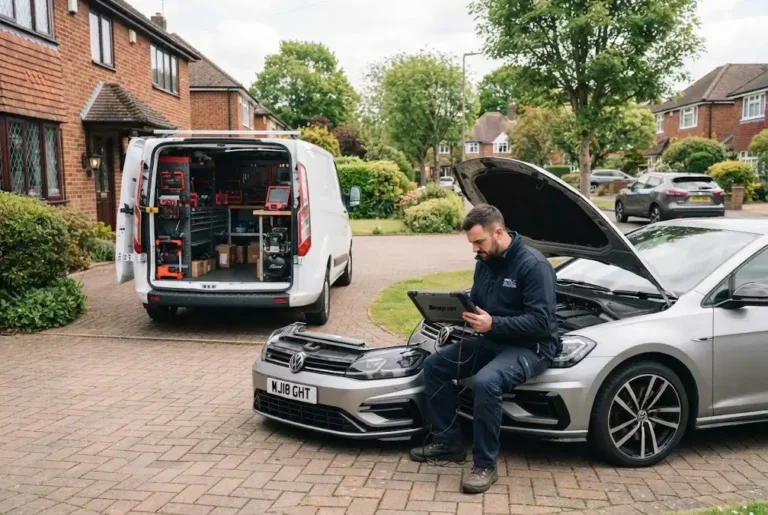
Technology is changing both the vehicle itself and the way motorists interact with automotive businesses. Diagnostic equipment, electronic service records, digital booking systems and online communication tools are increasingly part of modern workshop operations.
The growth of electrified vehicles is adding another dimension. SMMT reported that nearly 1.8 million battery-electric cars were in use in the UK at the end of 2025.
These vehicles require appropriate servicing knowledge and safety procedures. Although battery-electric vehicles do not use conventional combustion-engine components in the same way as petrol or diesel cars, they still contain systems requiring professional inspection and maintenance.
The result is a more varied automotive environment where traditional mechanical expertise increasingly sits alongside electrical and electronic skills.
Customer Loyalty Is Built Through the Entire Experience
Customer loyalty can be influenced by the full relationship between a motorist and a garage. Technical quality is fundamental, but customers may also remember how clearly a problem was explained, whether promised work was completed on time and how straightforward the booking process was.
A garage that consistently communicates well can make complicated maintenance decisions easier for customers. This is particularly valuable when repairs are expensive or when several possible courses of action need to be considered.
Trust is therefore built through repeated interactions. A workshop does not necessarily need to offer every possible service to create loyalty. It needs to deliver the services it does offer consistently and communicate professionally.
The Importance of Service Quality
Service quality has both technical and customer-facing dimensions. A repair must be performed correctly, but the surrounding process also needs to work effectively.
Good workshop processes can include accurate diagnosis, appropriate parts sourcing, clear quotations, sensible scheduling, quality checks and customer updates. Each stage contributes to the final experience.
This becomes increasingly important as vehicle technology grows more complex. Customers may not understand the technical details behind a diagnostic procedure, so explaining the work in clear language can help them understand why a particular service is necessary.
Independent Garages and the Changing Market
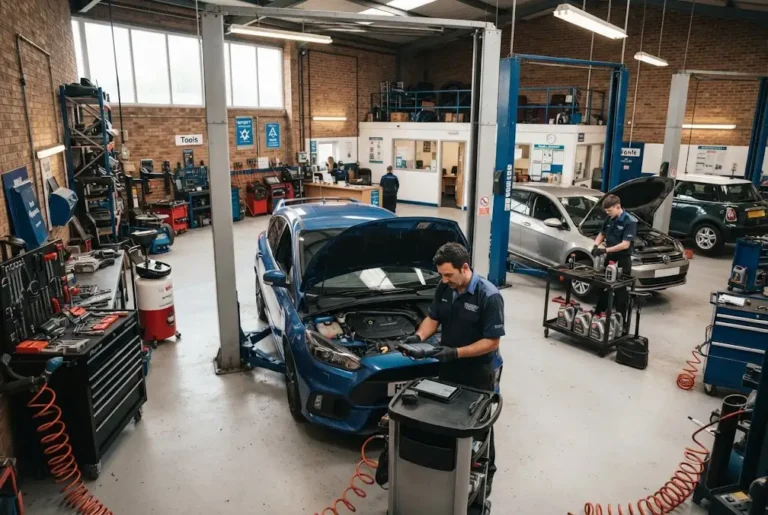
Independent garages continue to play an important role in Britain’s automotive aftermarket. Their local presence and ability to serve vehicles from different manufacturers can make them valuable to motorists looking for accessible vehicle care.
However, independent businesses also face the need to invest in training, equipment and digital systems. As vehicle technology changes, workshops need to decide which capabilities are relevant to their customer base.
This creates different strategies across the sector. One garage may focus on general servicing and mechanical repairs, another may specialise in diagnostics, while another may invest in hybrid and electric vehicle capability.
The Future of Auto Care Services
The future of auto care services is likely to involve a combination of established maintenance practices and increasingly digital customer experiences. Routine servicing, inspections and mechanical repairs will remain important, but the tools used to diagnose and manage vehicles will continue to evolve.
Customers are also likely to expect greater convenience. Online appointment systems, digital communication and clearer service information can make vehicle maintenance easier to manage without replacing the need for skilled technicians.
For automotive businesses, the challenge is to adapt without losing the fundamentals. Accurate diagnosis, qualified technicians, appropriate equipment and careful workmanship remain at the centre of vehicle care.
What This Means for UK Motorists
For motorists, the changing market creates more ways to access vehicle care but also makes choosing an appropriate service provider more important. The right workshop depends on the vehicle, required work, technical capability and the owner’s circumstances.
Understanding the difference between routine servicing, preventive maintenance and reactive repair can also help motorists make more informed decisions. Keeping records and following the vehicle manufacturer’s maintenance requirements can provide a useful foundation for long-term ownership.
As Britain’s vehicle fleet becomes older while simultaneously becoming more technologically advanced, the role of professional workshops will continue to evolve. The strongest auto care services will need to combine technical capability with an automotive experience that is clear, convenient and responsive to changing customer expectations.