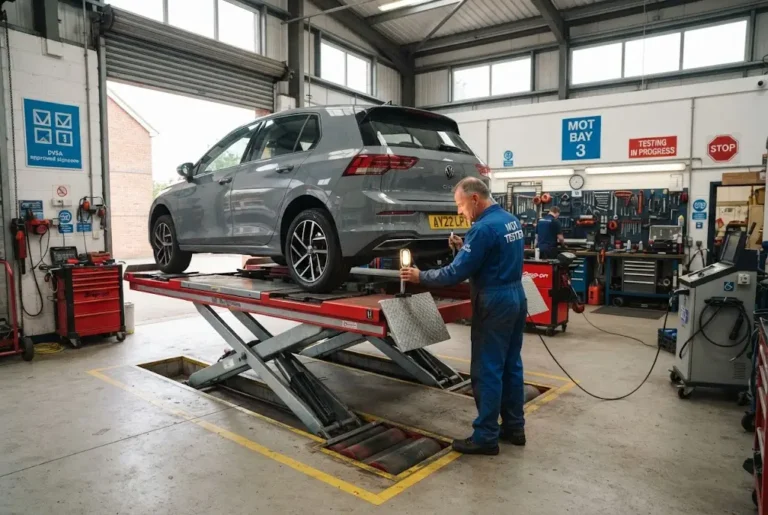
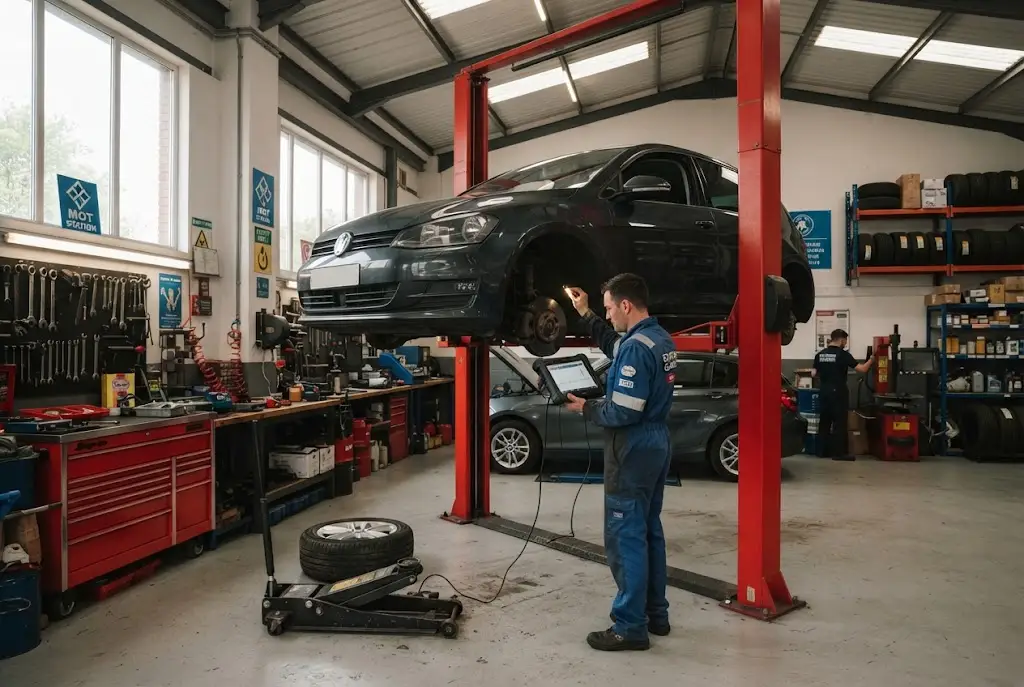
Understanding car service cost has become increasingly important for UK motorists. Routine servicing is essential for maintaining reliability, protecting vehicle value and identifying faults before they become expensive failures. However, drivers are also facing a more complicated pricing environment, with servicing costs influenced by labour, parts, energy, equipment, business overheads and wider economic conditions.
The rise in automotive maintenance prices is not simply the result of garages charging more. The cost of running a modern repair business has changed significantly, while vehicles themselves have become more technically sophisticated. Understanding these pressures can help motorists make better decisions about servicing, repairs and long-term vehicle ownership.
Why Is Car Service Cost Increasing?
Several factors can influence the price of servicing a vehicle. A basic service may involve relatively straightforward checks, fluid replacement and routine maintenance, while a more comprehensive service can require additional inspections, replacement parts and diagnostic work.
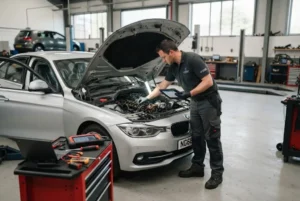
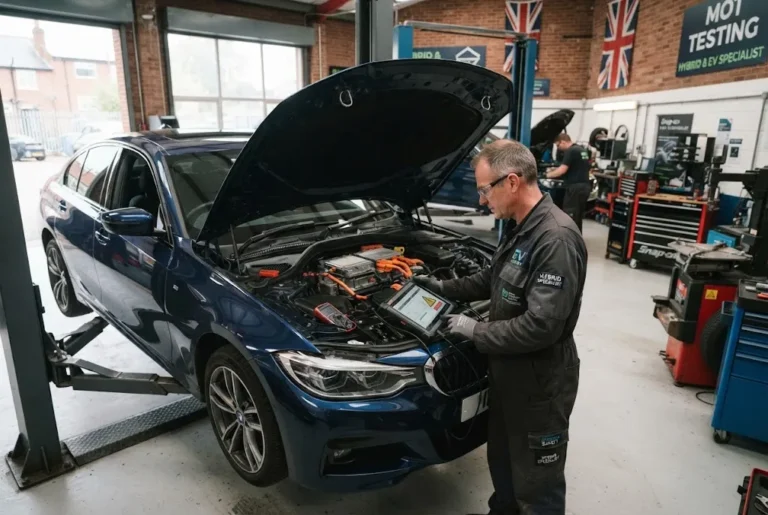
Modern vehicles also rely on increasingly complex electronic systems. Technicians may need specialist diagnostic equipment to identify faults, reset systems or verify that components are functioning correctly. As vehicles become more technologically advanced, garages may need to invest in equipment, software subscriptions and technician training.
These expenses form part of the wider operating costs of a workshop. Rent, utilities, insurance, equipment maintenance, waste disposal and administration can all affect the final price paid by a customer.
How Inflation Affects Servicing Costs
Inflation affects the automotive service sector through several channels. When the cost of goods and services increases, businesses may face higher expenses for parts, tools, energy, transport, premises and professional services. Garages must then balance those expenses against what customers can reasonably afford.
Official UK data shows that maintenance and repair services for motor vehicles have experienced notable price increases in recent years. The Office for National Statistics reported annual producer price inflation of 6.0% for motor vehicle maintenance and repair services in the fourth quarter of 2025. Its underlying index also shows the sector’s output price index rising from 100.0 in 2015 to 161.4 in the second quarter of 2026.
This does not mean that every garage or every type of service has increased by the same percentage. Prices vary according to vehicle type, location, parts required, labour rates, service complexity and the business model of the garage. Nevertheless, the wider trend helps explain why motorists may notice higher invoices than they encountered several years ago.
Labour Shortages and Garage Pricing
Labour is one of the most important components of automotive repair pricing. A garage needs qualified technicians who can work safely and accurately on vehicles ranging from conventional petrol and diesel cars to increasingly sophisticated hybrid and electric models.
When experienced technicians are difficult to recruit, businesses may need to increase wages, provide additional training or invest more heavily in staff retention. Those expenses can eventually influence labour rates.
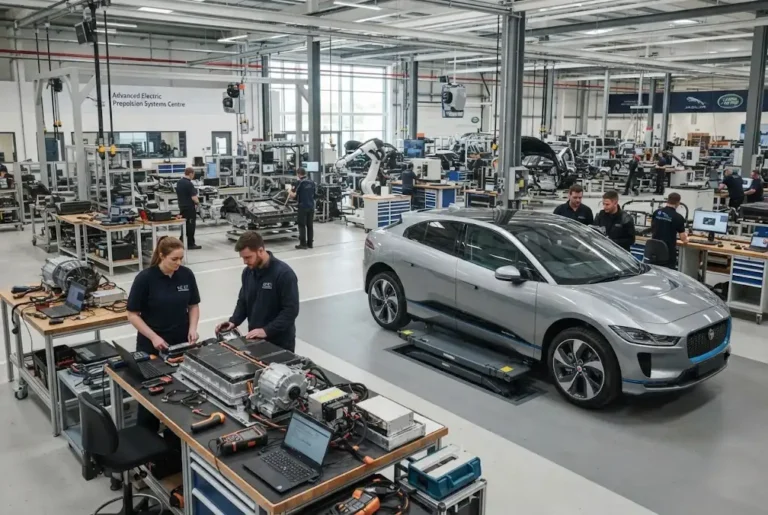
The issue becomes more significant as vehicle technology changes. Diagnostic systems, advanced driver assistance features, electronic control units and electrified drivetrains require technicians to maintain and expand their technical knowledge.
This creates a connection between today’s car service cost and the future of the automotive workforce. The industry must continue developing skills while keeping repair services accessible to motorists.
Parts Prices and Supply Chain Disruption
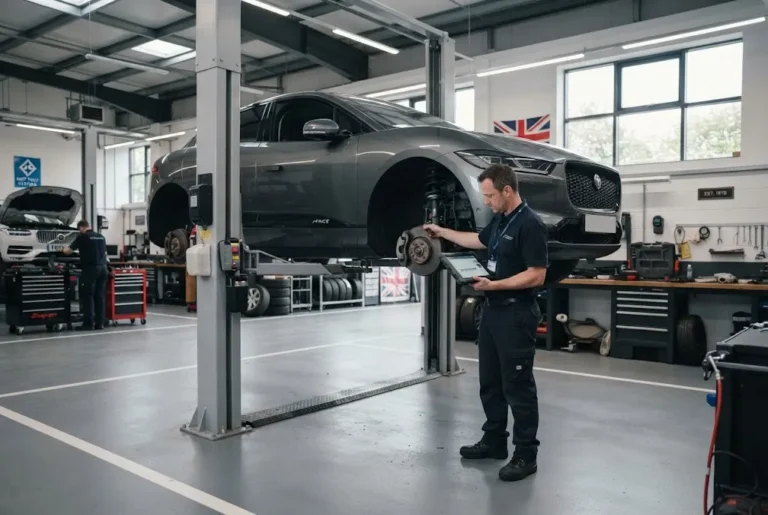
Parts are another major component of servicing and repair pricing. Depending on the vehicle and the job, a customer may be paying for filters, brake components, fluids, belts, batteries, sensors or more specialised components.
Supply chain disruption can affect both availability and pricing. If a component becomes difficult to source, a garage may have to wait longer, use an alternative supplier or pay more to obtain the required part. Transport costs and distribution arrangements can also influence the final price.
For motorists, this means the price of a repair cannot always be understood simply by looking at the technician’s labour rate. The availability and specification of the parts required for a particular vehicle can have a substantial effect on the total invoice.
Parts selection also matters. Original-equipment components, manufacturer-approved parts and aftermarket alternatives can have different prices and specifications. A reputable garage should explain relevant options clearly rather than leaving the customer uncertain about what is being fitted.
Repair Pricing Is Not the Same as Routine Servicing
It is useful to distinguish routine servicing from unexpected repairs. A scheduled service is generally planned around the manufacturer’s maintenance requirements, mileage or time intervals. Repairs, by contrast, can arise from wear, damage, faults or failed components.
This distinction matters when comparing servicing costs. Two motorists may own similar vehicles but receive very different bills because one vehicle requires only routine maintenance while another needs additional diagnostic work or replacement components.
Vehicle age, mileage, driving conditions and maintenance history can also affect the amount of work required. A well-maintained vehicle may still require replacement of normal wear items, but neglecting scheduled maintenance can increase the possibility of more expensive problems later.
How Operating Costs Shape Garage Prices
Independent garages and larger automotive businesses operate under different commercial conditions, but all workshops have operating costs. These can include premises, electricity, heating, equipment, diagnostic systems, software, insurance, waste management, staff training and administration.
Specialist equipment can be particularly important for modern vehicles. A garage working on newer cars may need access to manufacturer information, diagnostic tools and calibration equipment. Maintaining this capability requires continuing investment.
Consequently, a higher hourly labour rate does not automatically mean that a garage is making an excessive margin. The rate may reflect the cost of employing qualified staff and maintaining the equipment required to perform modern vehicle repairs correctly.
Car Service Cost and Consumer Affordability
Higher maintenance prices create a difficult situation for consumers. Drivers need to keep their vehicles safe and roadworthy, but they may also be managing higher household expenses and other motoring costs.
The challenge is particularly important for households that depend on a vehicle for commuting, childcare, work or other essential journeys. Delaying necessary maintenance because of affordability concerns can sometimes create additional problems if a relatively minor issue develops into a more serious fault.
A sensible approach is to distinguish between essential safety-related work, manufacturer-recommended maintenance and optional services. Customers can ask for a written explanation of the work required, the reason it is recommended and the estimated cost before authorising additional repairs.
How Drivers Can Manage Servicing Costs
Although motorists cannot control wider inflation or industry pricing trends, they can take practical steps to manage vehicle maintenance expenses.
Follow the Recommended Service Schedule
Regular maintenance helps identify developing problems and keeps important systems under observation. The correct interval depends on the vehicle, manufacturer requirements and driving conditions.
Compare Quotes Carefully
When comparing garages, motorists should look beyond the headline price. Check what the quoted service includes, which parts are being used and whether diagnostic checks or additional inspections are included.
Ask for an Itemised Estimate
An itemised estimate makes it easier to understand labour, parts and other charges. It also provides a useful basis for discussing work that was not included in the original quotation.
Keep Maintenance Records
Maintaining a clear service history can help demonstrate that a vehicle has been properly maintained. It can also help technicians understand previous work when diagnosing future problems.
Deal With Small Problems Promptly
Unusual noises, warning lights, fluid leaks and changes in vehicle behaviour should not automatically be ignored. Early diagnosis can sometimes prevent a minor issue from developing into a more complicated repair.
What Pricing Trends Mean for the UK Automotive Service Market
The changing economics of vehicle maintenance are likely to remain an important issue for both motorists and automotive businesses. The sector is balancing higher costs with changing vehicle technology, evolving consumer expectations and the need for skilled technicians.
ONS data illustrates that motor vehicle maintenance and repair prices have risen over time, although individual consumer experiences will vary by vehicle and service. More recent consumer inflation data has also identified vehicle maintenance and repair as a contributor to movements within the transport category.
These developments make automotive pricing an important area for broader industry analysis. Labour availability, technological investment, parts supply and consumer affordability are interconnected rather than isolated issues.
For readers interested in the wider changes affecting vehicle maintenance, future coverage of MOT and service requirements can provide useful context around compliance and scheduled vehicle testing. Similarly, auto inspection services are becoming increasingly relevant as diagnostic and inspection technology develops.
Looking Ahead at Automotive Service Costs
The future of servicing will be shaped by more than inflation alone. Hybrid and electric vehicles are changing the skills required in workshops, while connected vehicles and advanced electronic systems are changing how faults are identified.
This makes the development of hybrid services an important part of the wider automotive transition. At the same time, research into the automotive industry can help explain how economic conditions, technological change and consumer behaviour interact.
For motorists, the most useful response to rising servicing costs is informed decision-making. Understanding what a service includes, why repairs are necessary and how labour and parts contribute to the final bill can make automotive expenses easier to manage.
Ultimately, car service cost reflects a combination of technical requirements, labour, parts, business operating expenses and broader economic conditions. As the UK vehicle fleet continues to evolve, understanding those factors will become increasingly important for anyone who owns, operates or maintains a car.