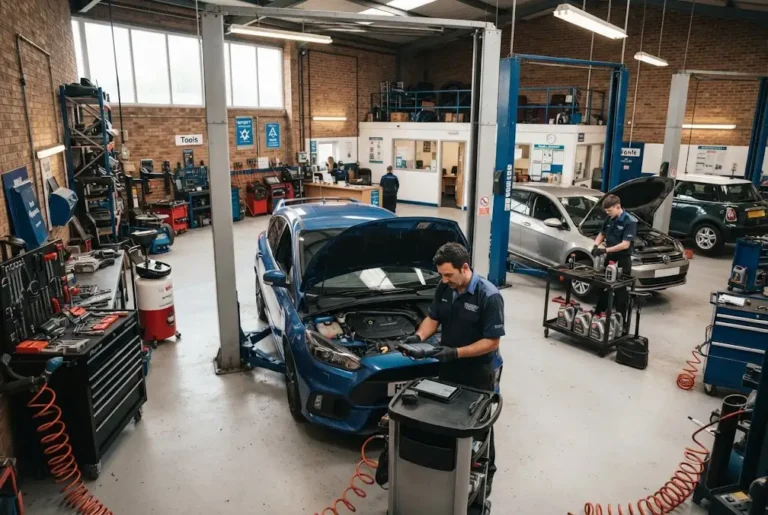
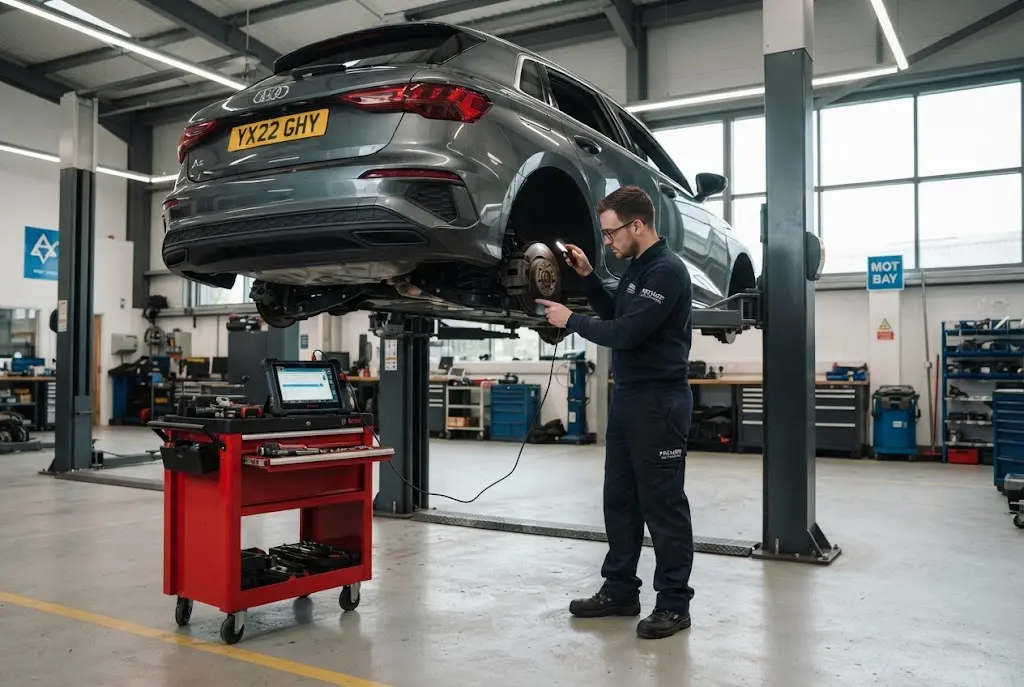
At first glance, auto inspection services may seem like a straightforward visual check of a vehicle. In reality, a professional inspection combines engineering principles, diagnostic technology, safety criteria, trained judgement and established inspection standards. The purpose is not simply to identify something that looks worn. A proper vehicle inspection aims to determine whether important systems are functioning correctly, whether defects could affect safety, and whether the vehicle meets the requirements that apply to it.
For drivers, understanding the science behind inspection can make vehicle maintenance decisions much easier. It also explains why a thorough inspection covers far more than tyres, lights and fluid levels. From braking performance and steering condition to emissions and electronic systems, modern inspection processes bring together multiple sources of technical information.
Why Auto Inspection Services Matter
A vehicle is a complex mechanical and electronic system. Its components interact continuously, meaning a problem in one area can eventually affect another. A worn suspension component, for example, can influence handling and tyre wear, while an electrical fault may trigger warning systems or interfere with other vehicle functions.
This is why professional auto inspection services use a systematic approach rather than relying on a quick visual assessment. Inspectors work through defined areas of the vehicle and evaluate components according to their condition, operation and potential effect on safety.
In the UK, statutory MOT testing provides a useful example of how structured vehicle assessment works. The official MOT inspection framework covers areas including brakes, steering, visibility, lighting, tyres, suspension, body structure, safety equipment and emissions. The inspection manual also categorises certain defects according to their seriousness.
Vehicle Inspection Is More Than a Visual Check
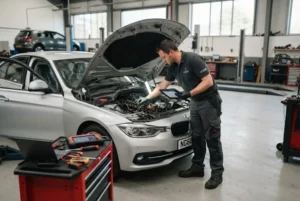
A modern vehicle inspection normally combines several types of assessment. Visual inspection remains important because technicians can identify corrosion, physical damage, leaks, worn components and other obvious problems. However, many faults cannot be reliably identified from appearance alone.
Functional testing adds another layer. Brakes, steering, lights, suspension and other systems may need to be operated or measured to determine whether they perform as expected. This distinction is important because a component can appear acceptable while its performance has already deteriorated.
Measurements can also provide objective evidence. Depending on the inspection, technicians may assess brake performance, tyre condition, fluid levels, battery performance, emissions or other technical characteristics. These measurements help turn a general observation into a more meaningful assessment.
How Inspection Standards Create Consistency
Inspection standards are essential because different technicians need a consistent framework for judging vehicle condition. Without defined procedures, two inspections of the same vehicle could produce very different conclusions.
In regulated testing, standards establish what should be inspected, how certain components should be assessed and how defects should be classified. The UK MOT framework, for example, distinguishes between minor, major and dangerous defects. This approach helps separate issues that require attention from defects that may represent a serious road-safety concern.
Professional inspections outside the statutory MOT process can also use structured checklists. These may be tailored to the purpose of the inspection, such as a pre-purchase assessment, routine maintenance inspection, fleet check or diagnostic investigation.
The Role of Diagnostics in Modern Inspections
Vehicle diagnostics have changed the way technicians investigate faults. Modern cars contain numerous electronic control units that monitor and manage systems throughout the vehicle. When a system detects an abnormal condition, diagnostic information may help a technician identify where further investigation is required.
However, diagnostics should not be confused with a complete inspection. A diagnostic scan can reveal stored fault codes or system information, but it does not automatically prove that every mechanical component is in good condition.
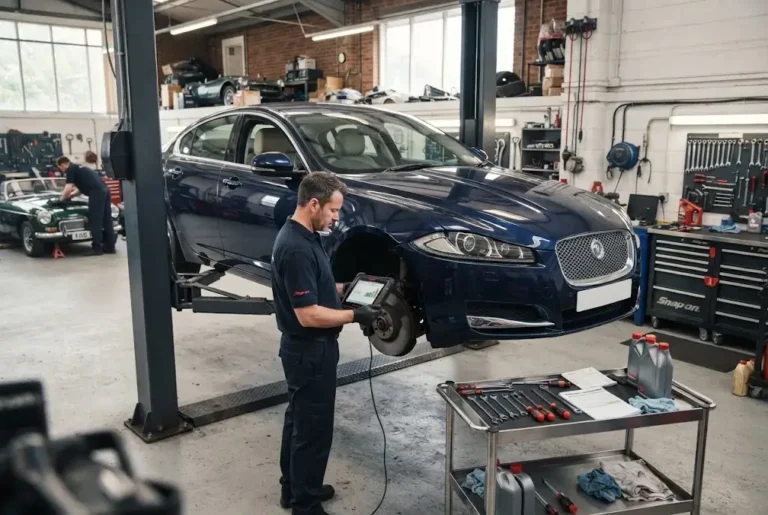
This is why high-quality inspection systems combine electronic diagnostics with physical checks. A technician may use diagnostic equipment to identify an electronic issue and then inspect the relevant components to establish the actual cause.
The combination is particularly valuable as vehicles become increasingly software-dependent. Electronic braking systems, driver assistance technologies, sensors, cameras and other systems can introduce inspection requirements that did not exist in older vehicles.
What Inspection Quality Really Means
Inspection quality is not simply about how long a technician spends looking at a car. Quality depends on whether the inspection is systematic, technically appropriate and supported by accurate observations.
A strong inspection should have a clear purpose. A pre-purchase inspection may focus on mechanical condition, accident damage and potential repair requirements, while a regulatory test follows the specific standards applicable to that test. A fleet inspection may place additional emphasis on reliability, operational downtime and recurring defects.
Technician experience also matters. Inspection procedures often require professional judgement because not every component can be assessed using one universal measurement. The condition of a component must sometimes be considered alongside its function, deterioration and likely effect on vehicle safety.
Safety Research and Compliance Studies
Vehicle inspections are closely connected with broader safety research. Engineers, regulators and automotive professionals study how component failures, vehicle defects and maintenance practices can affect road safety.
Compliance studies are equally important because vehicles must meet the rules that apply to their category and use. Regulatory frameworks provide a baseline for determining whether particular defects or conditions are acceptable.
For UK motorists, the MOT system illustrates this relationship clearly. The Driver and Vehicle Standards Agency publishes detailed inspection guidance covering specific vehicle components and testing procedures. The guidance is periodically updated as vehicle technology, regulations and testing requirements change.
Drivers can therefore benefit from understanding that an inspection is not an arbitrary judgement. Behind many inspection requirements are engineering principles, safety considerations and regulatory decisions designed to create a consistent minimum standard.
Engineering Standards and Changing Vehicle Technology
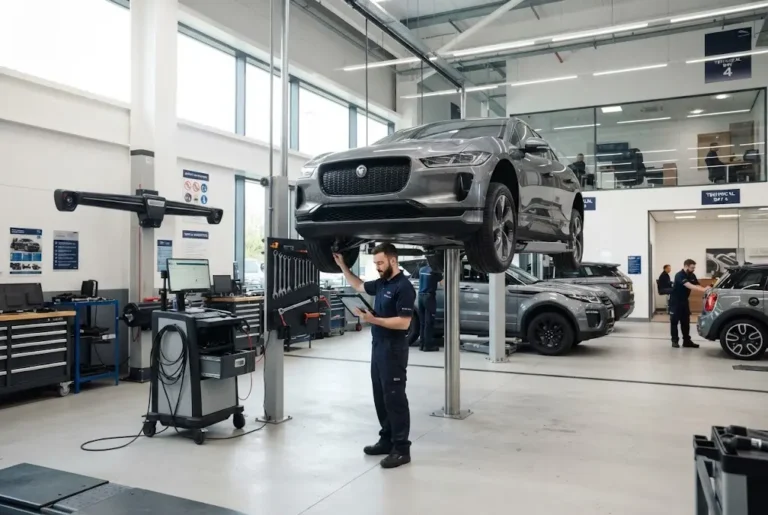
Engineering standards become increasingly important as vehicles evolve. Conventional petrol and diesel cars already combine mechanical, hydraulic, electrical and electronic systems. Hybrid and electric vehicles add high-voltage components, sophisticated battery systems and new drivetrain technologies to the mix.
This technological development means inspection systems must evolve as well. A technician working on a modern vehicle may need to understand electronic diagnostics, sensor systems and manufacturer-specific technical information alongside traditional mechanical inspection techniques.
The future of automotive servicing will therefore depend increasingly on the ability to combine practical mechanical knowledge with digital tools. This wider change is explored further in our upcoming coverage of the automotive industry and its future transformation.
Why Professional Inspection Systems Follow a Process
A structured inspection process reduces the chance of important areas being overlooked. Rather than checking whatever appears most obvious, a technician follows an organised sequence covering relevant vehicle systems.
That process may include identification checks, exterior observations, interior checks, under-bonnet inspection, underside assessment, functional testing and electronic diagnostics. The exact process depends on the purpose and type of inspection.
Systematic inspection also creates better documentation. When findings are recorded consistently, vehicle owners can understand what was identified, what requires attention and which issues may need further diagnosis or repair.
Inspection Findings Can Improve Maintenance Decisions
An inspection should ultimately help a vehicle owner make a better decision. Finding a worn component early can provide an opportunity to address it before it develops into a more expensive or disruptive problem.
However, not every inspection finding means an immediate repair is necessary. Some observations may require monitoring, further testing or professional assessment. Understanding the difference between an observed condition, a confirmed fault and a safety-critical defect is an important part of responsible vehicle maintenance.
This is also where inspection information connects with wider consumer behaviour. Drivers increasingly compare repair recommendations, maintenance schedules and service options before committing to work. Our related article on auto care services and consumer behaviour explores why motorists make different maintenance and repair decisions.
The Difference Between an MOT and a Broader Vehicle Inspection
One of the most important distinctions for UK motorists is that a statutory MOT is not the same thing as a comprehensive mechanical health check. The MOT assesses specified items against the requirements of the testing scheme. A broader inspection can be designed to investigate the overall condition of the vehicle and identify issues beyond the statutory test.
That distinction matters when buying a used car, preparing a vehicle for long-distance travel or investigating an unusual noise, warning light or change in driving behaviour.
In other words, passing an inspection designed for one purpose does not automatically mean that every aspect of a vehicle is perfect. The scope and objective of the inspection always matter.
Where Vehicle Inspections Are Heading
The science of vehicle inspection is moving toward a combination of physical assessment, digital diagnostics, data analysis and increasingly sophisticated testing equipment. As connected and electrified vehicles become more common, technicians will need new skills and inspection systems will need to adapt.
At the same time, the fundamental principle will remain familiar: identify important conditions, assess their significance and provide reliable information that supports safer vehicle operation.
For motorists, that makes high-quality inspection more than a box-ticking exercise. Whether the goal is regulatory compliance, buying a used vehicle, diagnosing a problem or planning maintenance, a well-designed inspection provides valuable technical information about the vehicle.
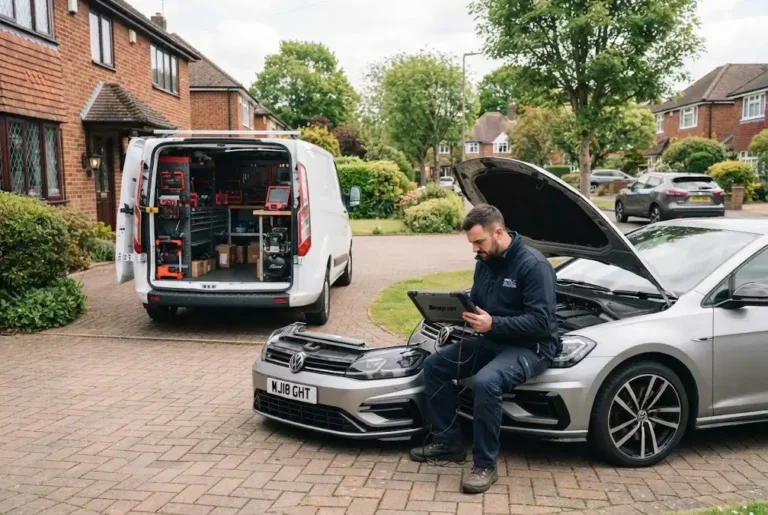
As service models also change, drivers may increasingly encounter alternatives to the traditional workshop visit, including mobile auto service and field-based mechanical support. These developments are changing how inspections and repairs can be accessed, while rising operating and repair expenses are also influencing decisions about vehicle maintenance. Our coverage of car service cost and repair pricing examines those wider economic pressures.
Final Thoughts
The science behind auto inspection services is ultimately about turning technical observations into useful information. Visual checks, measurements, diagnostics, engineering knowledge and inspection standards all contribute to a clearer understanding of vehicle condition.
For drivers, the biggest benefit is informed decision-making. A structured inspection can identify potential safety concerns, highlight developing faults and provide a clearer basis for maintenance or repair decisions. As vehicles become more connected, electrified and software-driven, the importance of accurate inspection will only continue to grow.
Understanding what happens during an inspection also helps motorists ask better questions and judge service recommendations more confidently. Rather than viewing an inspection as a simple pass-or-fail exercise, it is better understood as a technical process designed to assess condition, safety and compliance using established principles.