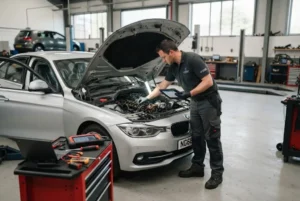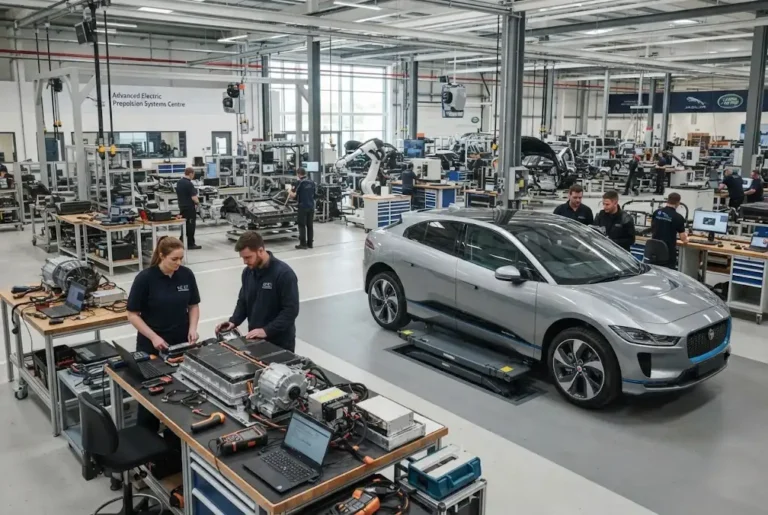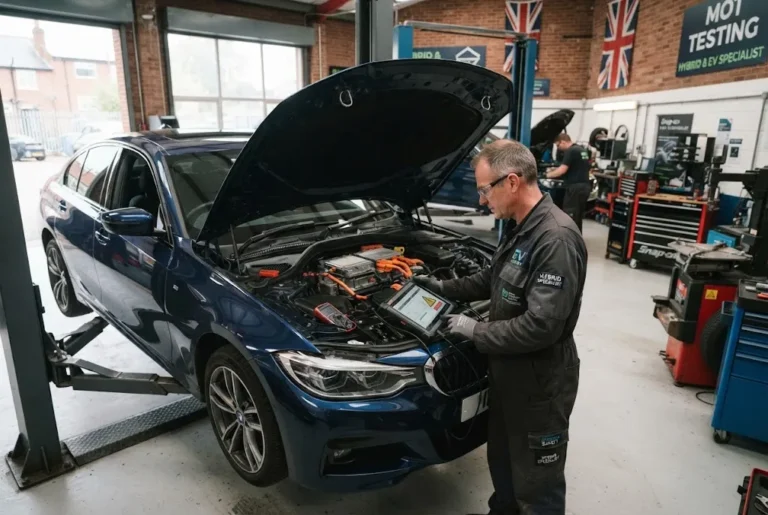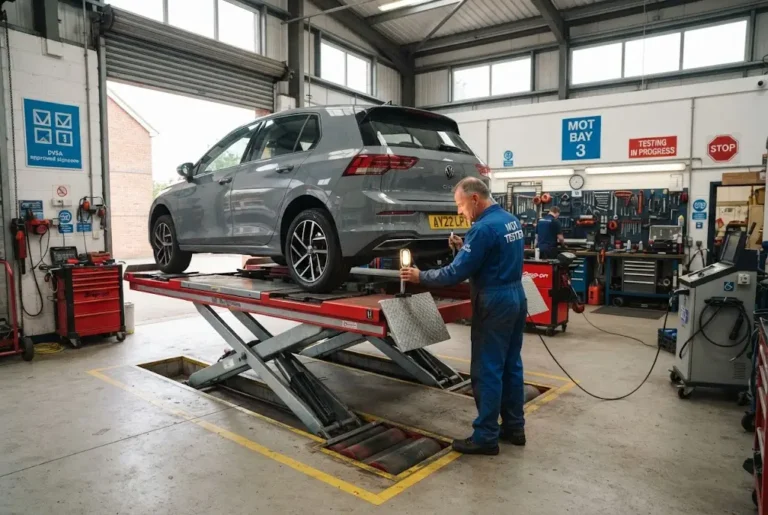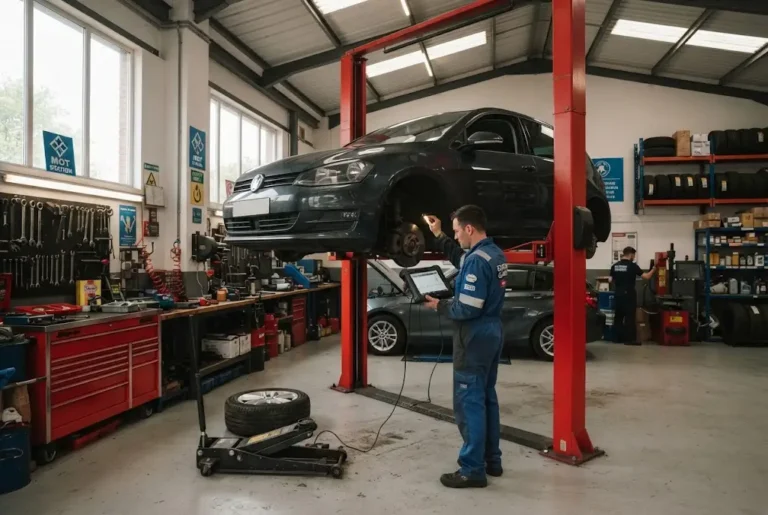
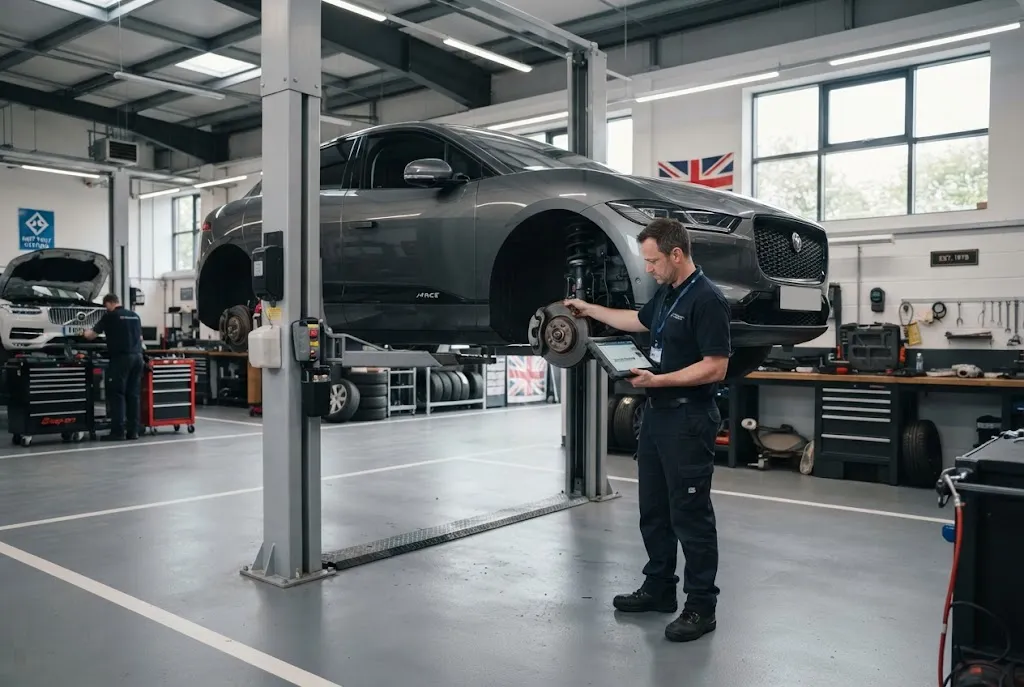
Modern vehicles have also made inspection more technically demanding. Electronic control units, sensors, advanced driver assistance systems, hybrid drivetrains and other technologies mean that visual checks alone may not always provide enough information. Professional inspection increasingly combines physical examination with diagnostics and structured testing procedures.
What Are Auto Inspection Services?
Auto inspection services are professional processes used to assess the condition, safety, performance or compliance of a vehicle. The exact scope depends on why the inspection is being performed.
A routine inspection may look at tyres, brakes, steering, suspension, fluids, lights and visible components. A diagnostic inspection may focus more heavily on electronic systems and fault codes. A pre-purchase inspection can provide a broader assessment of a used vehicle before a buyer commits to a purchase.
These services should not automatically be treated as substitutes for statutory testing. In Great Britain, an MOT remains a specific legal test governed by defined testing standards. A broader inspection can provide additional information beyond what the statutory test is designed to establish.
Why Vehicle Inspections Matter
Regular inspection can help identify developing problems before they become more expensive or disruptive. A vehicle component does not necessarily fail suddenly; wear can develop gradually and produce warning signs that an experienced technician may recognise.
Inspections can also help motorists understand the condition of a vehicle when buying or selling it. For businesses operating fleets, structured inspection procedures can support maintenance planning and help identify vehicles that require attention.
Safety is another important consideration. Braking, steering, tyres, suspension, lighting and other systems can directly affect how a vehicle performs on the road. Identifying problems early gives the owner an opportunity to arrange appropriate repairs.
How Professional Inspection Procedures Work
The inspection procedure depends on the vehicle and the reason for the assessment. A technician will normally begin by establishing the purpose and scope of the inspection before examining relevant systems and components.
A physical inspection can include looking for visible damage, leaks, abnormal wear, corrosion, loose components and other signs of deterioration. The technician may then carry out functional checks where appropriate.
For more complex vehicles, inspection can also involve electronic diagnostic equipment. This can help identify stored fault codes or abnormalities that may not be obvious during a visual examination.
The final result should be documented clearly. A useful inspection report distinguishes between confirmed defects, observed wear, recommended maintenance and issues that may require further investigation.
Vehicle Diagnostics and Modern Inspection
Vehicle diagnostics have become increasingly important because modern cars contain extensive electronic systems. Engine management, transmission controls, airbag systems, braking systems and driver-assistance technologies may all rely on electronic control units and sensors.
Diagnostic equipment can communicate with these systems and retrieve information relevant to troubleshooting. However, a diagnostic code should not automatically be interpreted as proof that a particular component must be replaced.
Professional diagnosis involves interpreting the available information alongside physical symptoms, manufacturer specifications and testing results. This distinction is important because replacing parts without establishing the underlying cause can lead to unnecessary expenditure.
Auto Inspection Services and Safety Inspections
Safety inspections focus on components that can affect the safe operation of a vehicle. The exact inspection scope varies according to the service being provided, but areas commonly considered can include braking, steering, suspension, tyres, wheels, lighting and visible structural condition.
For vehicles subject to the MOT system, statutory inspection standards provide a defined framework for assessing specified components. The DVSA publishes inspection manuals and testing guidance for authorised MOT testing operations. ([gov.uk](https://www.gov.uk/guidance/mot-inspection-manual-for-private-passenger-and-light-commercial-vehicles?utm_source=chatgpt.com))
A private safety inspection can go beyond that statutory framework when the customer needs a broader assessment. For example, a driver preparing for a long journey may want an inspection focused on general mechanical condition rather than waiting for the next MOT.
Inspection Services Versus an MOT
It is important to understand the difference between MOT and service requirements and wider inspection services.
An MOT is a regulated test that determines whether a vehicle meets specified roadworthiness and environmental standards at the time of testing. A service is primarily concerned with maintenance. An inspection can be arranged for many other reasons and can be tailored to the customer’s needs.
For example, a pre-purchase inspection may examine a used car before the buyer completes a transaction. A diagnostic inspection may investigate a warning light. A fleet inspection may assess multiple vehicles against an organisation’s internal maintenance standards.
Understanding this distinction helps customers choose an appropriate service instead of assuming that one type of inspection answers every question about a vehicle.
Pre-Purchase Vehicle Inspections
Buying a used vehicle involves uncertainty because the appearance of a car does not necessarily reveal its mechanical condition. A pre-purchase inspection can provide an independent assessment before a buyer makes a significant financial commitment.
Depending on the inspection package, the technician may examine the vehicle’s exterior, interior, tyres, brakes, suspension, engine compartment and visible mechanical components. Diagnostic checks may also be available for compatible vehicles.
The inspection should be viewed as an assessment rather than a guarantee. Hidden defects may exist that cannot reasonably be identified during a particular inspection, especially where specialist testing or component disassembly would be required.
A written report can nevertheless give buyers useful information for deciding whether further investigation, negotiation or specialist repair advice is appropriate.
Inspection Technology Is Changing
Vehicle inspection technology continues to develop alongside vehicle technology. Modern workshops may use electronic diagnostic equipment, digital inspection reports, specialist measurement tools and manufacturer-specific information systems.
Digital reporting can also improve communication. Instead of relying only on a verbal explanation, a technician may provide photographs, recorded observations and recommendations that allow the customer to see what has been identified.
Technology should support professional judgement rather than replace it. A scan tool can provide valuable information, but physical inspection and appropriate technical testing remain important when determining the condition of many vehicle components.
Quality Assurance in Vehicle Inspection
Quality assurance is important because an inspection is only useful when it is performed consistently and documented accurately. The person conducting the assessment should understand the vehicle systems being examined and the limitations of the inspection.
For statutory MOT testing, the DVSA operates formal requirements around authorised examiners, testers, testing stations, equipment and quality control. Its guidance states that authorised examiners must maintain quality control through competent personnel with appropriate knowledge, skills and experience. ([gov.uk](https://www.gov.uk/guidance/mot-testing-guide?utm_source=chatgpt.com))
Private inspection services do not all operate under the same statutory framework, so motorists should ask what the inspection includes, who is carrying it out and whether a written report is provided.
When Should a Vehicle Be Inspected?
There is no single inspection schedule suitable for every vehicle. The appropriate timing depends on vehicle age, mileage, use, condition and the purpose of the inspection.
An inspection may be particularly useful when:
- Buying a used vehicle.
- Preparing a vehicle for a long journey.
- A warning light appears.
- The vehicle develops unusual noises or vibrations.
- Braking, steering or handling feels different.
- A vehicle has experienced an accident or impact.
- A fleet operator needs documented condition checks.
- A vehicle is approaching significant scheduled maintenance.
Drivers should not wait for an inspection appointment when a vehicle presents an immediate safety concern. A serious braking, steering, tyre or other safety problem should be addressed promptly.
How Inspection Findings Affect Repair Decisions
An inspection report can contain several different types of findings. Some may require immediate attention, while others may represent normal wear or future maintenance requirements.
Customers should ask the technician to explain the difference between a safety-critical defect, a repair recommendation and an advisory observation. This can make it easier to prioritise spending, particularly when several issues are identified at once.
For motorists already dealing with rising car service cost, prioritising repairs based on safety and technical necessity can help make maintenance decisions more manageable. A clear inspection report can also make quotations easier to compare.
Inspections for Hybrid and Electric Vehicles
The transition towards electrification is changing the skills and equipment required in the automotive sector. Hybrid and electric vehicles contain systems that require specific knowledge and appropriate safety procedures.
High-voltage components, battery systems, electric motors and associated electronics require technicians to follow suitable procedures. This makes hybrid services an increasingly relevant part of the wider vehicle inspection landscape.
Not every conventional workshop has the same equipment or training for every type of electrified vehicle. Vehicle owners should therefore check that an inspection provider has the appropriate capability for the vehicle being assessed.
Vehicle Inspection and Compliance
Compliance is another area where inspection procedures matter. Statutory testing provides a defined legal framework, while businesses may also operate internal inspection systems to meet their own safety, maintenance or operational requirements.
Fleet operators, for example, may use regular checks to monitor vehicle condition between scheduled services and statutory tests. These procedures can create documented maintenance records and help organisations identify recurring problems across a group of vehicles.
The appropriate inspection system depends on the organisation’s vehicles, operating environment and legal obligations. A professional inspection programme should therefore be designed around the actual risks and requirements involved.
The Future of Auto Inspection Services
The vehicle inspection sector is likely to become increasingly technology-driven as the UK’s vehicle fleet evolves. Connected systems, advanced driver assistance features, electrified powertrains and increasingly sophisticated electronic architectures all create new inspection considerations.
At the same time, inspection professionals will continue to need strong mechanical knowledge. Technology can help collect information, but interpreting that information correctly remains an important part of engineering practice.
The wider automotive industry is therefore moving towards a model in which physical inspection, electronic diagnostics, digital reporting and specialist technical skills increasingly work together.
Choosing the Right Vehicle Inspection
Before booking an inspection, motorists should establish exactly what they need to know about the vehicle. Someone investigating a dashboard warning may need diagnostic testing, while a used-car buyer may need a comprehensive pre-purchase inspection.
Ask what components will be examined, whether diagnostic equipment is included, whether photographs or a written report will be provided and whether additional repairs require separate authorisation.
A clearly defined inspection can provide useful information without creating confusion about what the service does and does not cover.
Conclusion
Auto inspection services provide an important layer of information between routine vehicle ownership and more serious repair decisions. They can help identify mechanical and electronic issues, assess vehicle condition and support informed maintenance planning.
They should, however, be understood in the correct context. A professional inspection is not automatically the same as an MOT, and an MOT is not a complete mechanical health assessment. Each service has a different purpose.
As vehicle technology develops, inspection procedures will continue to evolve. For UK motorists, understanding these differences can make it easier to choose appropriate checks, interpret inspection findings and keep vehicles maintained safely and responsibly.