The UK automotive sector extends far beyond vehicle manufacturing. It includes parts suppliers, dealerships, repair businesses, testing organisations, logistics providers, technology companies, research institutions and a large network of supporting services. Changes in one part of this ecosystem can therefore influence businesses and consumers elsewhere.
Why Automotive Industry Research Matters
Research provides a structured way to understand changes taking place across the vehicle market. Automotive research can examine production, registrations, consumer behaviour, supply chains, technology, employment, investment and regulatory developments.
For businesses, research can support decisions about investment and service development. A workshop considering electric vehicle capability, for example, needs to understand the technology appearing in its local market before deciding how much equipment and training to acquire.
Consumers can also benefit from reliable industry information. Understanding vehicle technology, maintenance requirements and market changes can make it easier to evaluate ownership costs and future purchasing decisions.
Key Forces Changing the Automotive Industry
Several interconnected forces are shaping the UK automotive market. Electrification is changing vehicle powertrains, digital technology is transforming vehicle systems, and changing economic conditions continue to influence production and consumer demand.
Regulation is another major influence. Vehicle standards, environmental requirements, safety rules and testing procedures affect manufacturers and service businesses throughout the vehicle lifecycle.
These forces should not be considered independently. A change in vehicle technology can create new training requirements, which can influence workshop investment and eventually affect servicing and repair costs.
Electrification and Technological Change
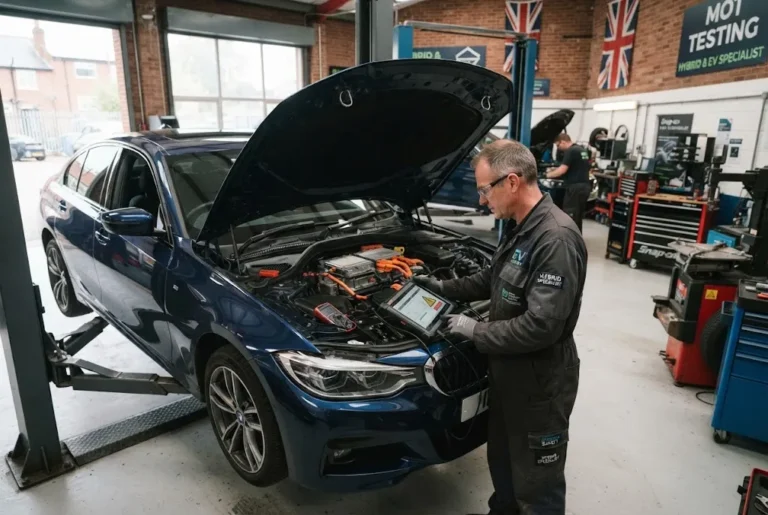
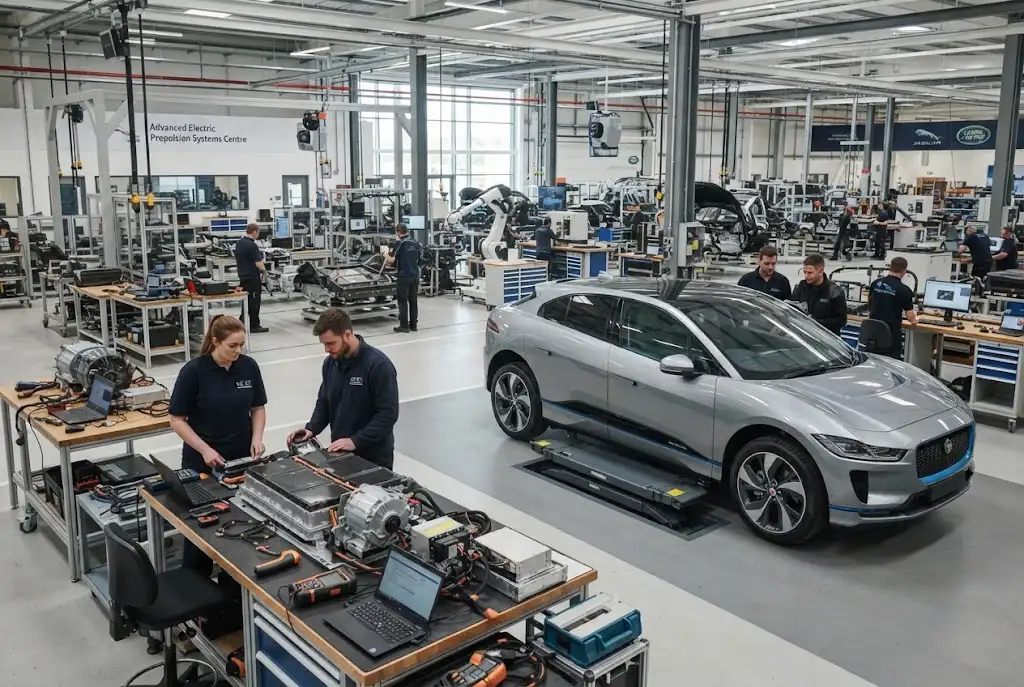
Electric and hybrid vehicles are changing the technical structure of the vehicle fleet. Battery systems, electric motors, power electronics and software-controlled systems create new engineering requirements.
This transformation is particularly relevant to the aftermarket. Garages need appropriate training and equipment to safely inspect and maintain electrified vehicles. As discussed in our guide to hybrid services, the transition requires investment in high-voltage knowledge, diagnostic capability and workshop procedures.
Vehicle technology is also becoming more software-dependent. Electronic control systems, connected features and advanced driver assistance technologies can increase the importance of diagnostics and technical information throughout the vehicle’s lifecycle.
Market Analysis and Consumer Demand
Automotive market analysis looks at factors such as vehicle registrations, sales patterns, powertrain preferences, prices, financing conditions and consumer behaviour.
Demand can vary according to household finances, business confidence, fuel and energy costs, interest rates, taxation, government policy and the availability of new models. A shift in one of these areas can influence purchasing decisions across different segments of the market.
Businesses therefore need to distinguish between short-term movements and longer-term structural changes. A temporary change in consumer demand does not necessarily indicate that the underlying direction of the market has changed.
The Role of Automotive Industry Reports
Industry reports can bring together large quantities of market information and present it in a form that businesses can use. Depending on the publisher and purpose, a report may cover production, sales, supply chains, technology, investment, employment or future expectations.
However, reports should be evaluated carefully. Forecasts are not guarantees, and research methodologies can differ between organisations. Readers should examine the publication date, geographic scope, sample or dataset, definitions and assumptions before drawing conclusions.
Official statistics can be particularly useful when assessing measurable market developments. The Society of Motor Manufacturers and Traders, for example, publishes UK automotive market data covering vehicle registrations and other industry indicators. ([smmt.co.uk](https://www.smmt.co.uk/industry-topics/automotive-industry-data/?utm_source=chatgpt.com))
Economic Pressures Across the Sector
The economics of vehicle ownership and maintenance have become an important consideration for consumers and businesses. Labour, energy, parts, logistics, technology and property costs can all influence the cost of operating an automotive business.
These pressures are particularly relevant to the aftermarket. As discussed in our article on car service cost, maintenance pricing can be influenced by labour availability, parts costs, supply chain conditions and wider operating expenses.
For businesses, the challenge is to maintain service quality while managing costs. For consumers, the challenge is balancing necessary vehicle maintenance with household or business budgets.
Supply Chains and Automotive Manufacturing
The automotive supply chain is highly interconnected. Vehicle production can depend on a wide network of component manufacturers, logistics providers, technology suppliers and raw-material sources.
Supply chain disruption can therefore have effects beyond the immediate supplier experiencing a problem. Delays or shortages can influence production schedules, parts availability and delivery times.
Modern vehicles also contain increasingly sophisticated electronic components. Semiconductor availability, battery materials and specialised components can therefore be strategically important to manufacturers and suppliers.
Workforce and Skills Requirements
Technological change is creating new workforce requirements across the automotive sector. Traditional mechanical skills remain important, but businesses increasingly require expertise in electronics, diagnostics, software and high-voltage systems.
Training is consequently becoming an important strategic issue. Workshops need technicians capable of working safely on newer vehicles, while manufacturers and suppliers require engineers and specialists who understand emerging technologies.
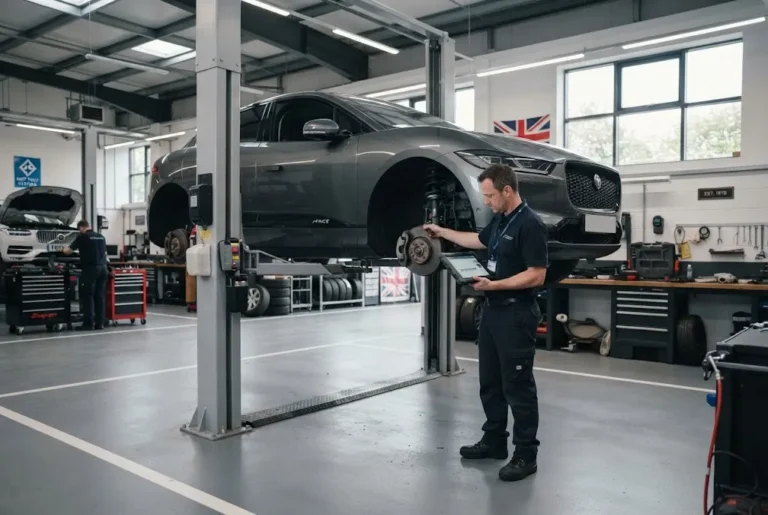
The transition also affects vehicle inspection. Professionals responsible for vehicle testing need to keep their knowledge aligned with changes in vehicle design and applicable inspection procedures. Our guide to auto inspection services explores how physical checks and modern diagnostics increasingly work together.
Regulation and Public Policy
Government policy can influence the automotive sector through taxation, emissions requirements, safety standards, infrastructure policy and vehicle testing rules.
Regulation also affects the transition towards electrification. Manufacturers, service providers and consumers all need to understand how requirements change as new vehicle technologies enter the market.
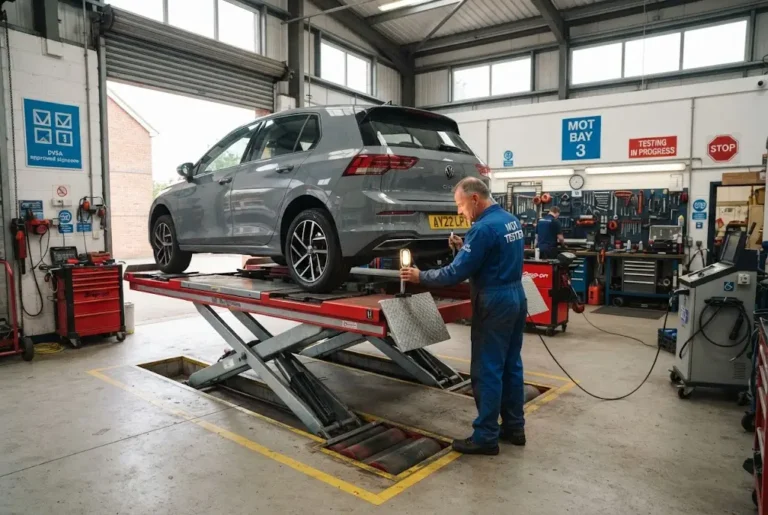
The UK’s MOT framework provides one example. The DVSA regularly updates its testing guidance, while testing requirements must accommodate a vehicle fleet that increasingly includes hybrid and electric models.
For motorists, understanding the difference between statutory testing and routine maintenance remains important. Our article on MOT and service explains why the two processes should not be treated as interchangeable.
Research Centres and Strategic Insights
Automotive research is conducted by manufacturers, universities, specialist organisations, industry bodies and independent research groups. Areas of study can include vehicle engineering, battery technology, manufacturing processes, transport systems, consumer behaviour and economic conditions.
Research centres can help identify technological opportunities and challenges before they become mainstream commercial issues. Their work can therefore influence product development, policy discussions and investment decisions.
Businesses using research should distinguish between evidence, analysis and forecasts. A measured historical result is different from an analyst’s interpretation, while a future forecast necessarily involves assumptions about conditions that may change.
Business Trends to Watch
Several trends are particularly relevant to businesses operating in the automotive ecosystem.
Electrification
The expansion of hybrid and electric vehicles is creating demand for new products, services, training and infrastructure.
Digital Diagnostics
As vehicle systems become more electronic, diagnostic technology is becoming increasingly important for repair and inspection businesses.
Software-Defined Vehicles
Vehicle functions are increasingly influenced by software, connected systems and electronic control units. This can change how vehicles are developed, maintained and updated.
Aftermarket Specialisation
Specialist maintenance services may become more important as vehicles become technically complex. Workshops can differentiate themselves through expertise in particular vehicle types, systems or technologies.
Skills Development
Workforce capability will remain a central issue as businesses adapt to new powertrains and increasingly digital vehicle systems.
How Technology Is Reshaping Vehicle Maintenance
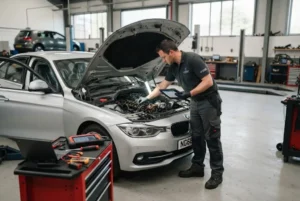
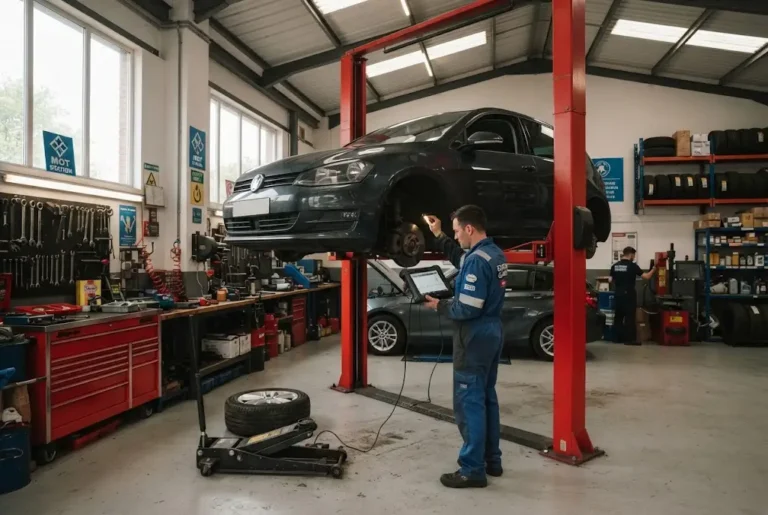
Technological change does not stop when a vehicle leaves the factory. Modern workshops increasingly use digital diagnostic tools, electronic inspection equipment and manufacturer technical information to identify faults.
This can make maintenance more precise, but it also increases the importance of technician expertise. A diagnostic device can identify information stored within a vehicle system, but interpreting that information correctly still requires technical knowledge.
The same principle applies to inspection. Technology can improve the information available to a technician, while professional judgement remains necessary when assessing the significance of a finding.
Future Forecasts and Industry Uncertainty
Future forecasts can help businesses plan, but they should be treated as scenarios rather than certainties. The automotive sector is influenced by numerous variables, including economic conditions, consumer demand, government policy, technology costs, infrastructure development and global supply chains.
For that reason, businesses may benefit from considering several possible scenarios rather than relying on a single prediction. A flexible strategy can make it easier to respond when market conditions differ from expectations.
This is especially relevant for independent automotive businesses deciding how quickly to invest in new equipment or training. Understanding local customer demand alongside broader industry trends can help businesses make more proportionate decisions.
What the Future May Mean for UK Automotive Businesses
The automotive sector is likely to remain a mixture of established technologies and emerging systems for many years. Petrol and diesel vehicles continue to require servicing and repair, while hybrid and electric vehicles are increasing the need for new technical capabilities.
This means businesses cannot necessarily focus on one technology alone. Many workshops will need to support a mixed vehicle fleet while gradually expanding their expertise in electrified and digitally controlled systems.
Regulatory developments will also remain relevant. Businesses involved in inspection, maintenance and vehicle compliance need processes that can adapt as standards evolve.
How Consumers Can Follow Automotive Trends
Consumers do not need to become automotive engineers to understand industry developments. However, using reliable sources can help separate measurable changes from speculation.
Useful information can include official government statistics, recognised industry data, manufacturer technical information and reputable research. Readers should pay attention to publication dates because automotive technology and regulations can change quickly.
When evaluating claims about future vehicle costs, technology or market demand, it is also useful to distinguish between current evidence and forecasts. A projected trend should not be treated as an established fact.
Building a More Resilient Automotive Sector
Long-term resilience depends on the ability of businesses and institutions to adapt. Investment in skills, technology, research, infrastructure and supply-chain capability can help the sector respond to changing conditions.
For service businesses, this can mean developing capabilities in diagnostics and electrified vehicles. For manufacturers, it can involve investment in new production technologies and supply relationships. For policymakers, it can involve creating frameworks that support safety, innovation and the changing needs of the vehicle fleet.
Research remains important throughout this process because decisions are stronger when they are based on reliable evidence rather than assumptions.
Conclusion
The automotive industry is being reshaped by electrification, digital technology, economic pressures, regulatory change and evolving consumer expectations. These changes affect the entire ecosystem, from vehicle manufacturers and parts suppliers to garages, inspection businesses and motorists.
Understanding the sector requires more than looking at vehicle sales alone. Market analysis, automotive research, workforce development, supply chains, technological change and public policy all contribute to the direction of the industry.
For UK businesses and consumers, the most useful approach is to follow reliable evidence while recognising that forecasts contain uncertainty. As vehicle technology continues to develop, informed research and adaptable skills will remain central to navigating the next stage of automotive change.