For most British drivers, the search for their next car starts not in a gleaming new-car showroom, but among used cars. The second-hand market is where most cars change hands in the UK, and it shapes what people drive, what they pay and how long they keep their vehicles. Understanding how it works helps to explain far more than the prices on a forecourt.
This guide explains the structure of the market, from franchised dealers to private sellers. It also looks at why demand remains resilient, what shapes prices, how electric models are changing the mix, and what buyers should check before they commit to a purchase.
How Big Is the Market? Understanding Market Size
In terms of market size, the used sector dwarfs the new-car market. The market for used cars is several times larger than the market for new cars, because several times more vehicles change hands second-hand each year than are registered as new. That makes the second-hand market the main arena of British motoring. New cars still matter, because they feed future supply, but the typical transaction involves a car that has already had at least one owner.
That scale also makes the market unusually varied. A nearly new hatchback sold by a franchised dealer, a family estate sold privately and a high-mileage workhorse sold cheaply to a trader are all part of the same ecosystem. Prices, standards and buyer protections differ across it. Knowing which part of the market you are buying from therefore matters almost as much as the car itself.
How the UK Market for Used Cars Works
Automotive retail in Britain is layered, and most buyers move between its layers without really noticing. Four routes account for the great majority of sales: franchised dealers, independent traders, private sellers and the online platforms that now connect them all.
Franchised Dealers and Approved Used Schemes
Franchised dealers sell cars from the brands they represent, often through approved used schemes. These cars are usually younger, they are prepared to a set standard, and they often come with a warranty and a checked history. Buyers pay a premium for that reassurance. In return, they gain clearer comeback if something goes wrong soon after purchase.
Independent Traders and Car Supermarkets
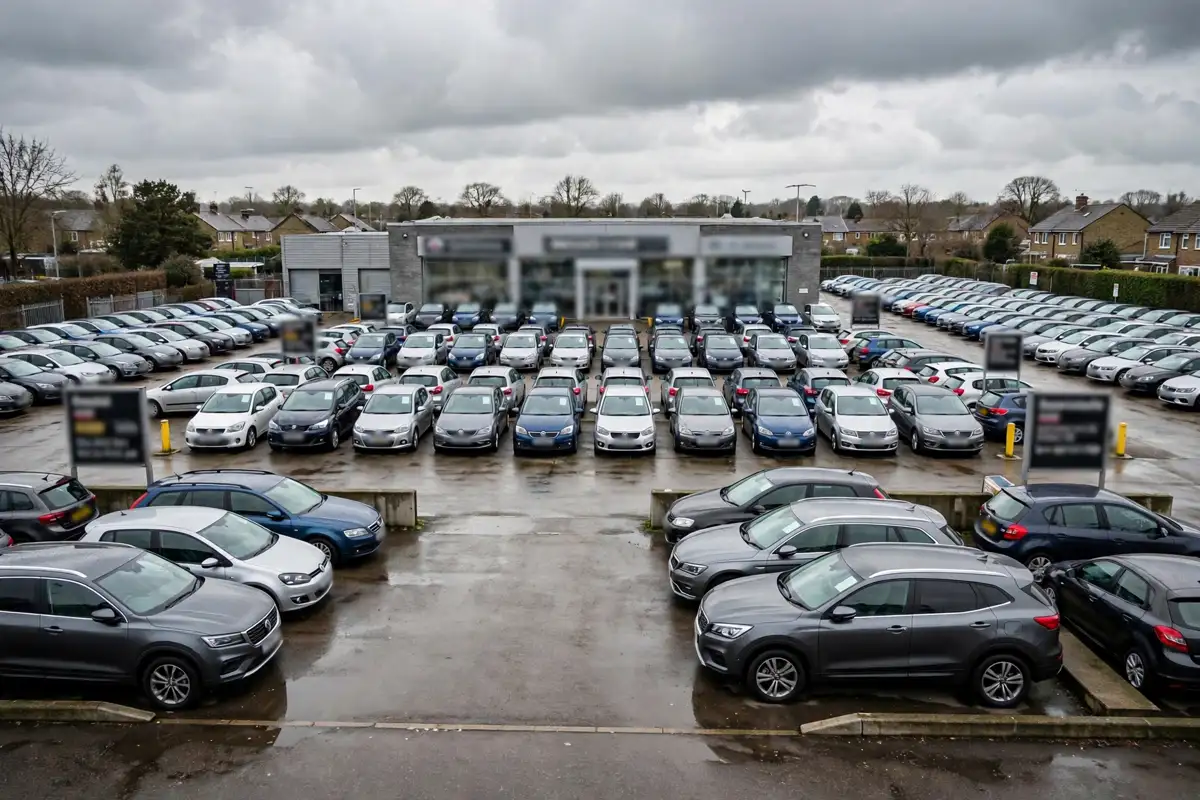
Independent dealers range from small local traders with a handful of cars to large car supermarkets holding hundreds of vehicles. They compete mainly on price, choice and convenience. Many now source, prepare and advertise cars much as larger groups do. Standards still vary, however, so reputation, reviews and the quality of preparation are all important clues for buyers choosing between second-hand vehicles.
Private Sales and Online Marketplaces
Private sales are the traditional route for older and cheaper cars, with buyer and seller agreeing a price directly. Online marketplaces have transformed this route. They make it easy to search nationally, compare asking prices and contact sellers instantly. Our guide to AutoTrader in the UK explains how the largest of these platforms shapes the way cars are advertised and sold today.
Private purchases usually cost less, because there is no dealer margin to cover. They also come with fewer legal protections than buying from a trader. Careful checks therefore matter even more, and a price that looks too good to be true deserves particular caution.
Why Used Vehicle Demand Stays Strong
Used vehicle demand is underpinned by simple economics. New cars have become more expensive, and that pushes many households towards second-hand vehicles that offer similar transport for a lower cash price or monthly payment. When the cost of living is tight, that gap matters. Buyers who might once have bought new now shop for used cars that are a few years older instead.
Waiting times have also played a part. When popular new models face long delays, buyers who need a car promptly turn to the used market, where the car is available today. Consumer demand, in other words, follows availability as well as price. The second-hand market can respond instantly in a way that factory order books simply cannot.
Finance reinforces the pattern. Monthly payment deals are now familiar across the used market, just as they are for new cars. Understanding how car finance works helps buyers compare a used deal with a new one on like-for-like terms, rather than judging by the headline price alone.
What Shapes Prices in Automotive Retail
Age and mileage remain the starting points for any valuation of used cars. A younger car with lower mileage will usually command more money. High mileage lowers the price, even when a car has clearly been well maintained. Specification, colour and simple desirability then adjust the figure in either direction.
Fuel type has become a stronger influence than it once was. Efficient petrol cars and hybrids often attract keen interest, while diesel demand is now far more selective. Location matters too. London’s ULEZ and the clean-air zones established in other UK cities can make a non-compliant car cheaper to buy, but more expensive to run for drivers who enter those zones regularly.
Service history is the third major factor. A complete record suggests that a car has been cared for, and it supports a stronger asking price. It also reassures the next owner. Gaps in the record do not automatically mean a car is a poor buy, but they raise questions that sellers may have to answer with a lower price.
The Shift Towards Used Electric Cars and Hybrids
Electric cars and hybrids were once a small corner of the market, but they now form a growing part of it. As more new electric cars have been sold, more have filtered through into second-hand stock. That gives buyers a wider choice of used cars with electric power, at prices well below their original cost when new. Hybrids often act as a stepping stone for drivers who are not yet ready to rely entirely on charging.
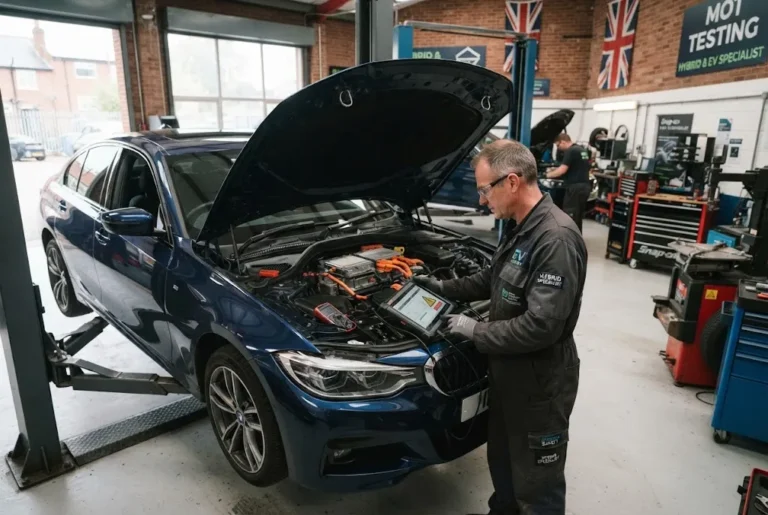
The questions buyers ask also differ from those asked about petrol cars. They focus on battery health, range in real-world use and access to charging at home or at work. Running costs can be attractive, especially for drivers who can charge at home overnight. Knowing what EV servicing involves also helps, because electric cars need different routine care from conventional models, even though they have fewer moving parts.
Ownership Trends: Cars Kept for Longer
One of the clearest ownership trends of recent years is that drivers are keeping their cars for longer. Higher replacement costs, reliable modern engineering and the general expense of changing cars all encourage owners to hold on. As a result, the average age of the cars on UK roads has been rising. That is a well-established trend, and it feeds directly back into the used market.
Older cars staying in use means that more older cars are traded, too. It also raises the importance of maintenance and repair in everyday motoring. The typical buyer of used cars is now choosing from an older fleet than in the past. Condition and history therefore matter more than the registration plate alone might suggest.
What Buyers Should Check Before They Buy
Sensible checks start before any viewing. A history check can reveal whether a car has outstanding finance, whether it has been written off, or whether mileage discrepancies have been recorded against it. Such checks are widely available, and they are inexpensive compared with the cost of buying the wrong car.
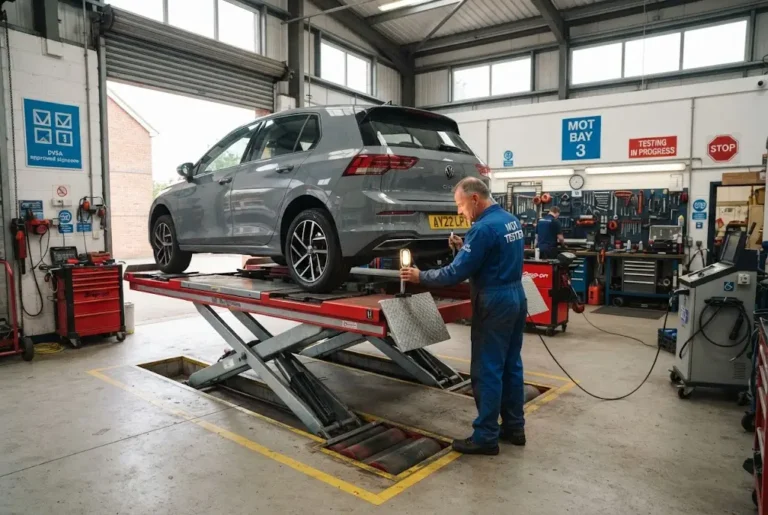
MOT records are also well worth reviewing. They can be checked publicly through the official service, using the car’s registration number. Past failures and advisory notes often tell a useful story about how a car has been maintained over time. Our explainer on whether you can check a car’s service history shows how service records and MOT information fit together.
On the day itself, inspect the car in daylight and test all of the electrics. Look for uneven tyre wear, mismatched paintwork and warning lights that stay on. Then take a test drive long enough for the engine to warm up fully. For hybrids and electric cars, confirm that the charging cables are present, and ask how the battery has been used and charged.
Where the Market Is Heading
The direction of travel is clear, even if the pace varies from year to year. The fleet is electrifying gradually, digital retail is becoming more normal, and cars are being kept for longer. Together, those forces point to a market that remains large and practical. It is also a market increasingly shaped by running costs, emissions zones and charging access, rather than by badge alone.
For buyers, the fundamentals will not change. Set a budget that includes insurance, tax and maintenance. Buy the best history and condition you can find. Then choose the route, whether dealer, independent trader or private seller, that matches your appetite for risk. Do that, and used cars will remain what they have long been: the most realistic way for most British drivers to get the car they actually need.