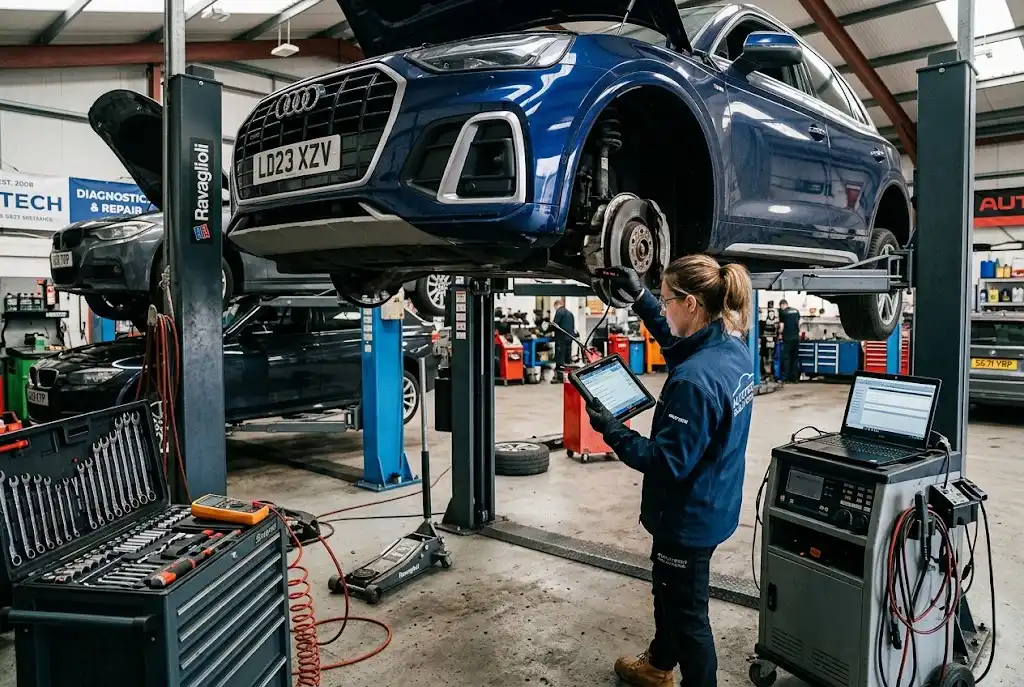
Auto repair services form one of the most important parts of the UK’s automotive aftermarket. Every vehicle eventually requires some form of corrective work, whether the issue involves brakes, suspension, electrical systems, engine components, tyres or increasingly sophisticated electronic technology. Behind each repair is a wider industry involving technicians, independent garages, manufacturer networks, parts suppliers and businesses investing in the tools and skills needed to keep Britain’s vehicles moving.
The repair industry is also changing. Modern vehicles are more complex, workshop technology is evolving and consumers have greater access to information when choosing where to have their cars repaired. At the same time, labour availability, rising operating costs and the need for continuous technician training are creating pressures across the sector. Understanding these forces provides a clearer picture of how the UK repair market works and where it may be heading.
What Are Auto Repair Services?
Auto repair services cover corrective work carried out when a vehicle develops a fault, suffers damage or has a component that needs replacement. Unlike scheduled servicing, which is planned around a manufacturer’s maintenance programme, repairs are generally prompted by a specific problem or deterioration.
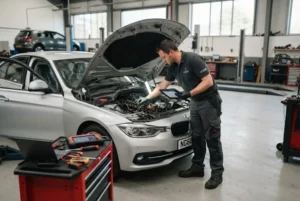
Common repair work can involve braking systems, suspension, steering, exhaust components, cooling systems, engines, transmissions and electrical systems. Modern vehicles can also require computer-based diagnostics before a technician can identify the source of a fault.
The range of work means that the repair industry is not a single type of business. A general independent garage may handle a wide variety of mechanical problems, while specialist workshops can concentrate on areas such as transmissions, vehicle electronics, bodywork or particular vehicle brands.
How the UK Repair Industry Is Structured
The UK repair market contains a mixture of independent garages, franchised dealer networks, national chains and specialist workshops. Each operates within a different business model and can offer motorists a different combination of expertise, convenience, pricing and manufacturer support.
Independent garages are particularly important because they provide repair services within local communities and compete with larger organisations. Their competitive advantage can come from established customer relationships, specialist knowledge, flexible service and local reputation.
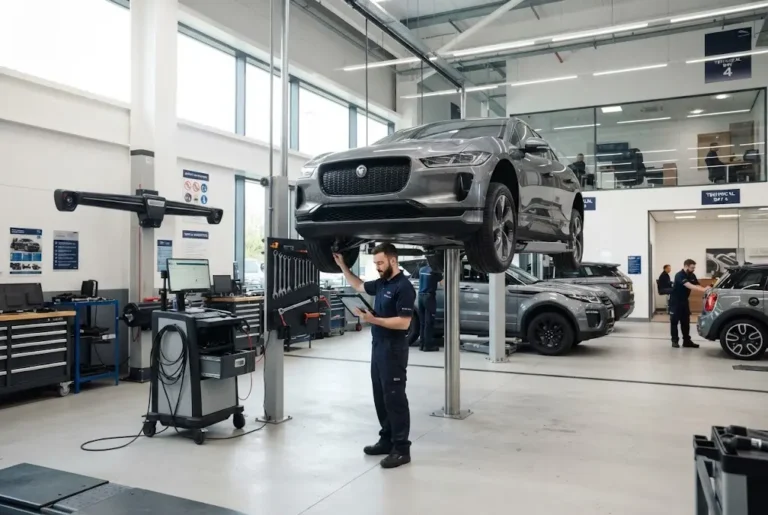
Manufacturer networks, meanwhile, can offer brand-specific expertise, access to manufacturer systems and technicians familiar with particular models. For some vehicles and complex faults, access to specialist information and diagnostic equipment can be an important consideration.
This diversity contributes to the wider UK auto services industry, where businesses across the aftermarket work together to maintain a large and increasingly diverse vehicle fleet.
Why Modern Vehicles Are Changing Repair Work
Vehicle technology has transformed the work carried out inside modern workshops. Mechanical systems remain fundamental, but cars increasingly combine them with sophisticated electronics, software-controlled functions and networked components.
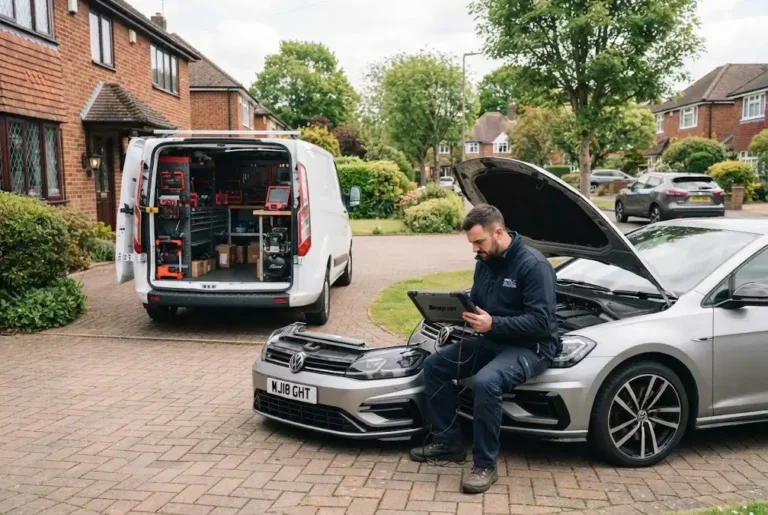
As a result, a technician may need to diagnose an electronic fault before determining whether a physical component has failed. Diagnostic equipment can help identify stored fault information and guide the investigation, although technical judgement remains essential.
Advanced Driver Assistance Systems provide another example. Features involving cameras, radar and other sensors can require specialist procedures when relevant components are repaired, replaced or disturbed. A repair that appears mechanical on the surface can therefore have implications for electronic safety systems.
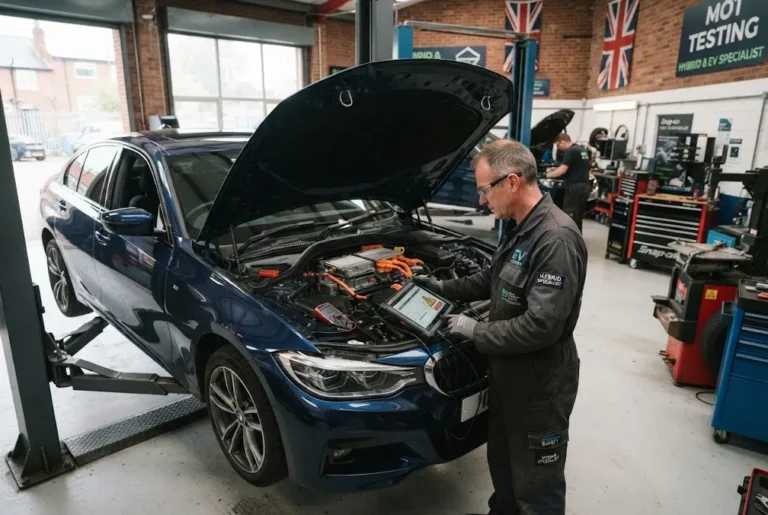
Electrification is adding further change. Hybrid and electric vehicles require technicians to understand different powertrain technologies and appropriate high-voltage safety procedures.
The Growing Importance of Technician Skills
The technical demands placed on workshops are closely connected to the skills of the people carrying out the work. Traditional mechanical knowledge remains valuable, but today’s repair environment increasingly requires electrical, electronic and diagnostic expertise.
This creates a continuing need for training. Technicians must keep up with new vehicle systems, diagnostic procedures and safety requirements. Workshops must also decide where to invest in equipment and which capabilities are commercially worthwhile.
According to the Society of Motor Manufacturers and Traders (SMMT), its 2025 aftermarket research found that 81.2% of surveyed workshops were equipped to service electric vehicles, while 77.6% were equipped to service and maintain Advanced Driver Assistance Systems. The figures illustrate how rapidly specialist capabilities are becoming part of the mainstream aftermarket.
Labour Shortages and Workshop Capacity
Skills availability is one of the industry’s important structural challenges. A workshop may have customer demand but still face limits on how much work it can complete if suitably trained technicians are difficult to recruit or retain.
Labour shortages can affect waiting times, productivity and business costs. They can also make technician training strategically important because businesses cannot rely solely on recruiting people who already possess every required skill.
The transition towards electric and increasingly connected vehicles makes this issue more significant. As the technical requirements of repairs change, workshops need access to people capable of working confidently with both established mechanical systems and newer technologies.
Workshop Economics and Repair Pricing
The price of an automotive repair reflects more than the cost of the replacement part. Workshops have premises, equipment, diagnostic systems, insurance, utilities, administrative expenses and staff costs to cover.
Technician time is another important component. A complex fault may require substantial diagnostic work before the actual repair can begin. In such cases, the amount of labour involved cannot be judged simply by looking at the number of components replaced.
Specialist equipment also affects workshop economics. Investing in modern diagnostic tools, calibration equipment and EV-related safety systems can require significant capital expenditure. Businesses must recover these costs while remaining competitive in a price-sensitive market.
For consumers, this means comparing repair quotations should involve more than looking at the lowest headline figure. Understanding what diagnostic work, parts and labour are included can provide a more meaningful comparison.
Repair Quality and Consumer Confidence
Repair quality is central to the relationship between motorists and garages. A successful repair should address the underlying fault rather than simply remove a symptom temporarily.
Clear communication can help establish confidence. Customers should be able to understand what has been identified, what work is recommended and why a particular repair may be necessary. Transparent explanations are especially useful when a fault involves complicated electronic or mechanical systems.
Online reviews have also changed the way consumers assess repair businesses. A garage’s local reputation can now be influenced by publicly visible customer experiences. While individual reviews should not be treated as definitive evidence, patterns in feedback can form part of a customer’s decision-making process.
Independent Garages Under Pressure to Adapt
Independent garages have historically competed through technical expertise, local relationships and value. Those advantages remain relevant, but modern vehicles are creating new expectations.
A garage may need manufacturer-specific diagnostic information, specialist equipment or additional technician training to repair newer vehicles effectively. This can be challenging for smaller businesses that operate with limited capital compared with large dealer networks.
However, independent workshops can also benefit from the changing market. A growing and ageing vehicle fleet can generate sustained demand for repairs, while specialist expertise can create opportunities to serve particular vehicle types or technical problems.
The Role of Parts in Auto Repair
Parts availability is another important element of the repair industry. A workshop cannot complete many repairs without access to suitable replacement components, and delays in obtaining parts can affect customer waiting times.
The aftermarket includes a broad supply chain connecting parts manufacturers, distributors and workshops. This network allows repair businesses to source components for a wide range of vehicles and helps support competition beyond manufacturer networks.
Parts selection can also influence repair economics. Different components may vary in price, availability and warranty terms. The appropriate choice depends on the vehicle, the nature of the repair and the requirements of the customer.
Auto Repair Services and Older Vehicles
The UK’s existing vehicle fleet means repair businesses will continue dealing with large numbers of older cars for many years. As vehicles age, components naturally experience wear, and the probability of certain repairs can increase.
For owners, this creates an economic decision. An expensive repair does not automatically mean that a vehicle should be replaced. The decision depends on the car’s overall condition, expected future maintenance, current market circumstances and the cost of obtaining another vehicle.
This connects directly with our analysis of vehicle maintenance and ownership economics, which considers how maintenance and repair decisions influence the longer-term cost of keeping a vehicle.
Electric Vehicles and the Repair Market
Electric vehicles are changing the composition of repair work. Their powertrains contain fewer conventional engine components, but they introduce high-voltage systems and different technical requirements.
This does not mean electric vehicles eliminate workshop demand. Tyres, brakes, suspension, steering, body components, cooling systems and other vehicle systems still require maintenance and repair.
Instead, the nature of workshop expertise is shifting. Businesses that want to serve electric vehicles need appropriate training, equipment and safety procedures. SMMT’s 2025 aftermarket research found that many workshops already equipped for EV work expected further investment in their capabilities, highlighting the continuing nature of this transition.
Advanced Diagnostics and the Future of Repair
Diagnostics are likely to become an increasingly important part of auto repair services. As vehicles incorporate more electronic systems, technicians need reliable ways to identify faults and determine the correct repair path.
Diagnostic technology, however, should not be confused with automatic fault resolution. Equipment can provide valuable information, but technicians still need to interpret results and understand how different systems interact.
This combination of technology and human expertise is likely to define the modern workshop. The strongest businesses will need to combine practical repair skills with the ability to investigate increasingly complex electronic systems.
Repair Standards and Consumer Protection
Consumers need confidence that repairs will be carried out appropriately and that businesses will communicate honestly about the work required. Industry standards, professional training and responsible workshop practices can all contribute to that confidence.
Motorists can also take practical steps before authorising major work. Asking for a clear explanation of the fault, requesting an estimate and confirming whether additional work requires approval can reduce misunderstandings.
Where a repair involves safety-critical components, drivers should take particular care not to postpone necessary work simply because the immediate cost is inconvenient. A vehicle’s brakes, tyres, steering and other safety-related systems deserve appropriate attention.
How Consumers Can Choose a Repair Workshop
Choosing between repair businesses is not simply a matter of finding the cheapest quotation. Consumers can consider several factors before committing to significant work.
- Check whether the workshop has experience with the vehicle or type of fault.
- Ask what diagnostic work is required and what the quoted price includes.
- Request clarification if additional repairs are recommended.
- Consider whether the workshop has the equipment needed for modern vehicle technology.
- Look for evidence of professional standards, training and transparent customer communication.
- Keep records of completed repairs and replaced components.
These steps can make the repair process easier to understand and help motorists make decisions based on value rather than price alone.
The Future of the UK Repair Industry
The UK repair industry is likely to become increasingly divided between traditional maintenance demand and technically advanced repair requirements. Petrol and diesel vehicles will remain important for years, while hybrid and electric vehicles continue to grow within the vehicle fleet.
Workshops will therefore need to support several generations of technology simultaneously. This creates both complexity and opportunity.
Businesses that invest in technician development, diagnostics and appropriate equipment can build capabilities that differentiate them in a competitive market. Those that fail to adapt may find themselves unable to service an increasing proportion of the vehicles that customers bring through their doors.
Why Auto Repair Services Matter to the Wider Economy
The repair industry has significance beyond individual garages. It supports employment, parts distribution, vehicle ownership and the continued operation of the UK’s transport system.
Keeping vehicles operational can also influence household and business finances. For a family dependent on a car or a business dependent on commercial vehicles, an unexpected breakdown can create costs that extend beyond the repair itself.
This makes reliable repair infrastructure an important part of the wider automotive economy. The ability to diagnose faults, source parts and complete quality repairs helps keep vehicles productive throughout their usable lives.
The Changing Role of the Automotive Technician
The traditional image of an automotive technician working primarily with mechanical components is becoming incomplete. Modern technicians increasingly need to combine mechanical understanding with electrical knowledge, diagnostics and familiarity with vehicle software and safety systems.
This does not make conventional skills obsolete. Instead, the profession is expanding. Technicians who can work across mechanical and electronic systems are likely to become increasingly valuable as the vehicle fleet evolves.
What the Future Means for Auto Repair Services
Auto repair services are entering a period in which technology, skills and consumer expectations will matter as much as traditional mechanical expertise. Independent garages remain essential to the UK aftermarket, but they must increasingly invest in equipment and training to remain capable of servicing newer vehicles.
For motorists, the changing market means that choosing a repair workshop should involve more than comparing prices. Technical capability, communication, experience and repair quality all matter.
The underlying need for repair will not disappear simply because vehicle technology changes. Instead, the work itself will continue to evolve. As Britain moves towards a more technologically diverse vehicle fleet, the repair businesses that combine skilled people, appropriate equipment and trustworthy customer service will be best positioned to support the next generation of vehicle ownership.