Auto care services are shaped by more than mechanical requirements. The way motorists maintain, repair and eventually replace their vehicles is also influenced by convenience, cost, trust, risk perception, previous experiences and changing expectations. Understanding this consumer behaviour provides useful insight into why some drivers follow maintenance schedules closely while others delay servicing until a problem becomes difficult to ignore.
For automotive businesses, these decisions matter because the quality of a service experience can influence whether a customer returns, recommends a provider or searches for an alternative. For motorists, understanding the factors behind maintenance decisions can make it easier to distinguish essential work from routine recommendations and plan vehicle ownership more effectively.
Why Auto Care Services Depend on Consumer Behaviour
Vehicle maintenance is rarely a completely rational process based only on engineering requirements. Drivers have different budgets, lifestyles, levels of mechanical knowledge and attitudes toward risk. Two people owning similar vehicles may therefore make very different maintenance decisions.
One owner might arrange servicing as soon as the recommended interval approaches. Another might postpone the appointment because the vehicle appears to be running normally. Someone who depends on a car for work may prioritise reliability, while an occasional driver may place greater emphasis on immediate affordability.
These differences create a complex market for auto care services. Businesses must provide technically appropriate work while also understanding the practical circumstances influencing the customer’s decision.
Maintenance Decisions Are Influenced by More Than Mileage
Maintenance schedules provide an important framework, but motorists do not always treat mileage or time intervals as the only consideration. Driving conditions, vehicle age, previous repairs and perceived reliability can all influence how an owner thinks about maintenance.
Drivers who have experienced an unexpected breakdown may become more proactive afterward. In contrast, someone who has owned a reliable vehicle for years may feel less urgency about preventative work.
Cost can also change the decision. When household budgets are under pressure, motorists may prioritise repairs that directly affect safety or drivability while postponing non-urgent work. This does not necessarily mean the driver does not value maintenance. It can reflect competing financial priorities.
The Psychology Behind Vehicle Ownership
Ownership psychology plays an interesting role in automotive decisions. A vehicle can represent much more than transportation. For many people, it is an important financial asset, a source of independence and a necessary part of daily life.
Because of this, motorists can react strongly to information about potential faults. A warning light may create anxiety, while an unexpected repair estimate can lead to frustration or uncertainty. The way a service provider communicates the problem can therefore influence how the customer responds.
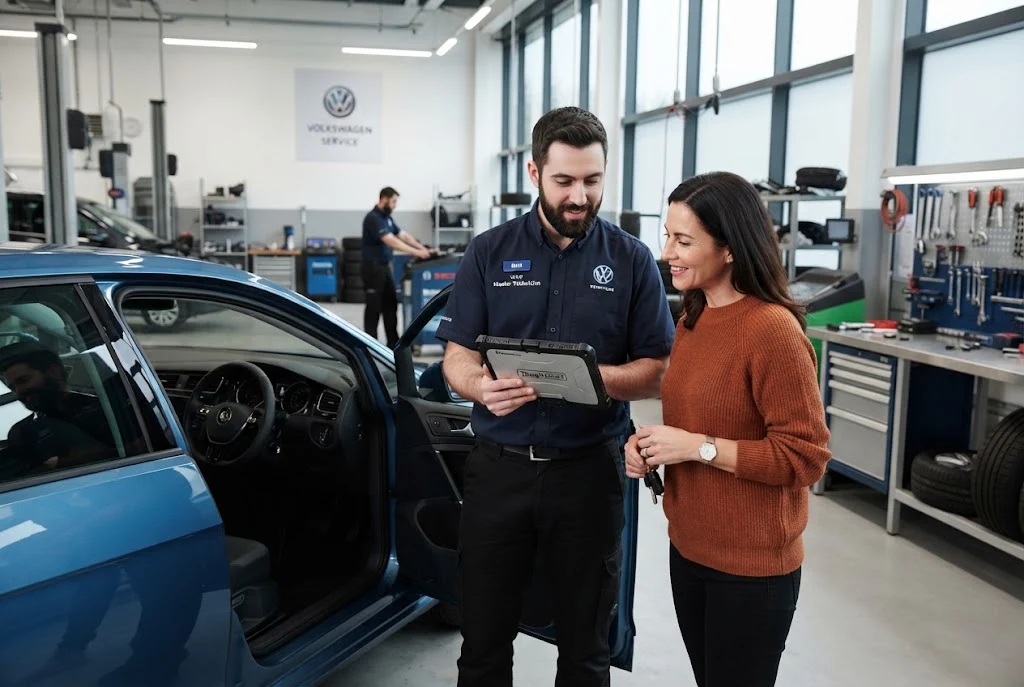
Clear explanations can reduce uncertainty. Instead of simply presenting a list of components, a technician can explain what has been observed, why it matters and what could happen if the issue is ignored. This gives the customer useful context for making a repair decision.
Trust Is Central to Automotive Services
Trust is particularly important in automotive services because many customers cannot independently verify technical recommendations. A motorist may know that something is wrong with the vehicle but have little ability to determine whether a suggested repair is necessary, urgent or optional.
This information imbalance makes transparency valuable. Clear estimates, understandable explanations and accurate documentation can help establish confidence between a customer and service provider.
Trust also develops over time. A driver who receives consistent service from the same business may become more comfortable following its recommendations. Conversely, an unclear estimate or unexpected charge can damage confidence quickly.
How Customers Evaluate Repair Decisions
Repair decisions often involve balancing urgency, cost and expected vehicle life. A relatively inexpensive repair on a newer vehicle may be an obvious decision, while a large repair on an older car can require much more consideration.
Drivers may ask questions such as:
- Is the problem affecting vehicle safety?
- Does the repair need to happen immediately?
- How much will the repair cost?
- Is the vehicle otherwise in good condition?
- How long do I expect to keep the car?
- Are there alternative repair options?
These questions show why a customer’s decision cannot always be understood through price alone. The same repair can have a very different perceived value depending on the vehicle and the owner’s circumstances.
The Growing Importance of Convenience
Convenience has become an increasingly important part of the service experience. Drivers have busy schedules, and taking a vehicle to a workshop can involve travel, waiting and arranging alternative transport.
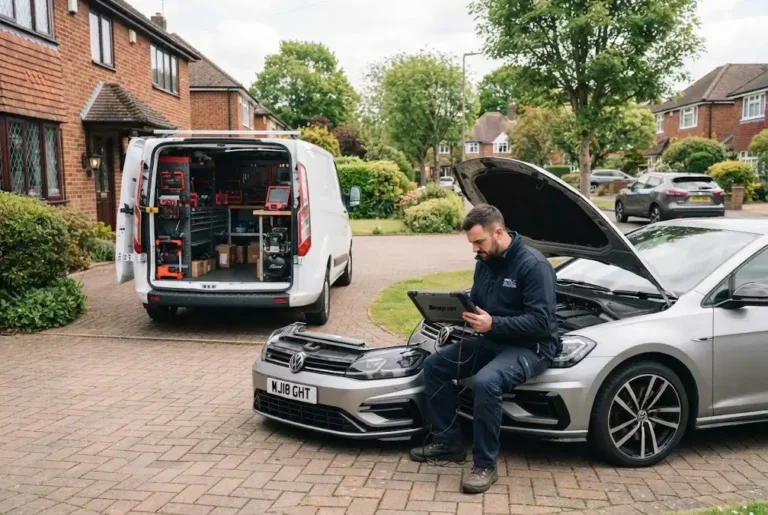
This is one reason alternative servicing models have gained attention. As discussed in our article on mobile auto service and changing automotive service models, some technicians now bring suitable maintenance and diagnostic services directly to customers.
Convenience does not eliminate the need for technical quality, but it can influence which provider a customer chooses. A business that makes booking, communication and vehicle servicing easier may be more attractive even when several providers offer similar technical services.
Digital Behaviour Is Changing Automotive Customer Expectations
Consumers increasingly use digital tools before making purchasing and service decisions. Automotive care is becoming part of that broader behaviour. Drivers can research symptoms, compare service providers, read reviews and investigate typical maintenance requirements before contacting a business.
This access to information changes the customer relationship. A motorist may arrive at a workshop with an initial understanding of a problem and specific questions about possible solutions.
However, online information can also create confusion. Symptoms can have several possible causes, and a general internet search cannot replace a professional inspection or diagnostic process. Service providers therefore have an opportunity to add value by translating technical findings into practical explanations.
Preventative Maintenance Versus Reactive Repairs
Consumer behaviour often falls somewhere between preventative and reactive maintenance. Preventative maintenance aims to address wear or scheduled service requirements before they develop into larger problems. Reactive repair occurs after a fault, warning or noticeable change in vehicle behaviour has already appeared.
Neither approach exists in isolation. Even drivers who follow maintenance schedules can eventually experience unexpected failures, while motorists who tend to delay servicing may still respond quickly when an obvious safety issue appears.
The challenge for service businesses is helping customers understand the difference between immediate repairs, preventative work and items that can reasonably be monitored. Clear prioritisation can make a service recommendation more useful.
Price Sensitivity and the Perception of Value
Price remains one of the strongest influences on automotive purchasing decisions. Yet customers do not necessarily choose the cheapest option. They often evaluate what they believe they are receiving in return for the price.
A transparent estimate can make a higher price easier to understand when it is supported by appropriate parts, skilled labour, clear communication and professional service. Conversely, a low initial price may create dissatisfaction if additional costs appear unexpectedly.
This is particularly relevant as wider operating expenses and repair pricing change. Our related coverage of car service cost and the factors influencing maintenance expenses examines the economic pressures affecting vehicle owners and service businesses.
How Previous Experiences Shape Future Servicing Habits
Consumer research across service industries consistently highlights the importance of previous experiences, and automotive care is no different. A positive experience can encourage repeat behaviour, while a negative interaction can cause customers to seek another provider.
A motorist who receives a clear diagnosis and fair explanation may be more willing to return for future servicing. Someone who feels pressured into unnecessary work may become more cautious and seek multiple opinions.
These experiences can influence more than one individual. Drivers often discuss vehicle service experiences with friends, family and colleagues, meaning perceptions of a business can spread through personal recommendations.
Customer Expectations Are Becoming More Detailed
Modern customers increasingly expect more than a vehicle being returned in working condition. They may want appointment updates, digital communication, clear invoices, explanations of completed work and recommendations for future maintenance.
This means automotive services increasingly involve both technical delivery and customer experience. A technically competent workshop can still lose customers if communication is poor or the process feels unnecessarily difficult.
Conversely, strong communication can make complex technical work easier for customers to understand. The ability to explain a problem without unnecessary jargon can become a meaningful part of service quality.
Vehicle Technology Is Changing Consumer Behaviour
Modern vehicles generate more electronic information than older cars. Dashboard warning systems, driver-assistance technologies and connected features can alert owners to issues they might previously have noticed only after a physical symptom appeared.
This can change maintenance behaviour. A warning message may prompt a driver to seek assistance earlier, while diagnostic information can give technicians a starting point for investigating a fault.
Nevertheless, electronic information should be interpreted carefully. As explained in our article about auto inspection services and vehicle inspection systems, diagnostics are valuable but form only one part of a broader vehicle assessment.
The Role of Service Accessibility
Accessibility can determine whether a driver seeks professional help at all. A customer who cannot easily take time away from work may postpone servicing simply because the process is inconvenient.
Flexible appointment options, mobile servicing and efficient communication can reduce some of these barriers. For businesses, improving accessibility can therefore become a practical way to encourage responsible maintenance behaviour without relying solely on price reductions.
This is especially relevant for drivers who depend heavily on their vehicles. For them, reducing downtime may be just as important as minimising the direct cost of a repair.
What Automotive Businesses Can Learn From Consumer Research
Understanding consumer research can help automotive businesses design better service experiences. Instead of assuming every customer values the same thing, businesses can recognise several recurring priorities: safety, reliability, affordability, convenience, transparency and trust.
Good service communication should address these priorities without manipulating the customer. Recommendations should be explained according to the vehicle’s condition and the actual requirements of the work.
Businesses can also use customer feedback to identify friction points. Difficult booking processes, unclear estimates, poor communication or unexpected charges can all affect future behaviour.
Behavioural Trends Will Continue to Evolve
Automotive consumer behaviour is not static. Vehicle technology, household budgets, service models and digital expectations are all changing. The growing availability of mobile servicing is one example of how the market is responding to these shifts.
Electrification will also influence future maintenance behaviour. Electric vehicles have different mechanical requirements from conventional cars, while their owners may have different expectations around diagnostics, servicing and software-related support.
These developments form part of the wider transformation of the automotive industry, where technology and changing ownership patterns are reshaping the relationship between motorists and service providers.
How Drivers Can Make Better Auto Care Decisions
For motorists, better decision-making starts with understanding what a service provider is recommending and why. Drivers do not need to become professional mechanics, but asking clear questions can make the process more transparent.
It is reasonable to ask which issue requires immediate attention, which work is preventative and whether a recommendation requires further inspection. Written estimates can also help customers compare options without making decisions under unnecessary pressure.
Keeping basic maintenance records is another useful habit. A history of servicing, repairs and inspections gives both the vehicle owner and technician a clearer picture of what has already been done.
Final Thoughts
Auto care services are ultimately shaped by both vehicle engineering and human behaviour. Drivers make maintenance and repair decisions according to a mixture of technical information, personal experience, cost, convenience, trust and expectations.
For service providers, recognising these factors can lead to better communication and stronger customer relationships. For motorists, understanding the decision-making process can encourage more informed choices about maintenance and repairs.
The automotive service market will continue to evolve as technology, pricing and service models change. Yet one principle is likely to remain important: customers want to understand what is happening to their vehicles and feel confident that the work recommended is appropriate for their circumstances.