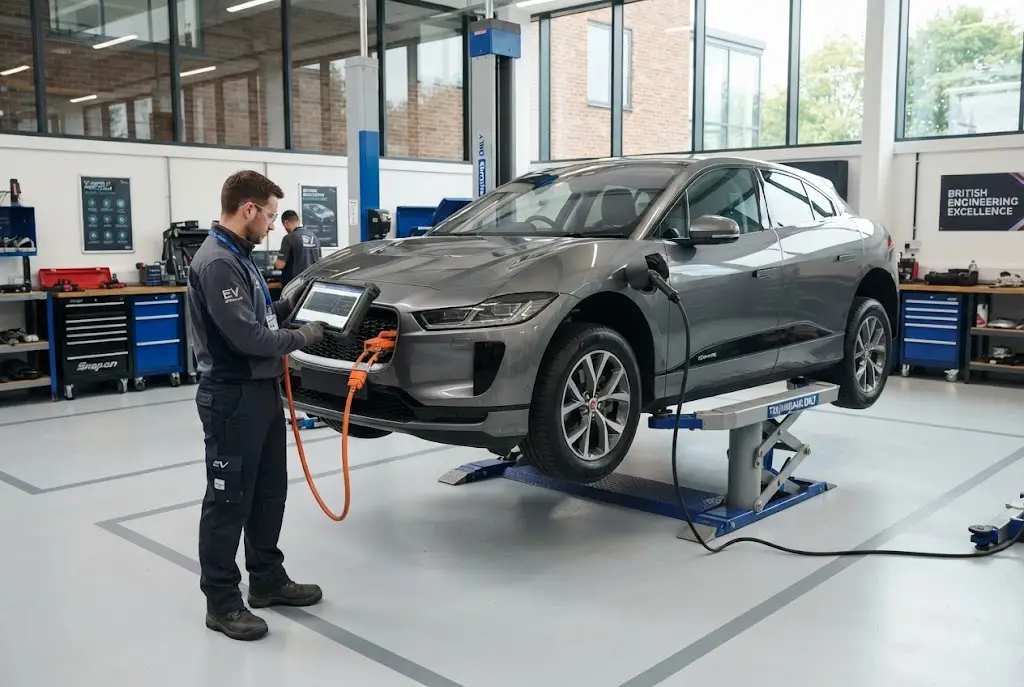
EV servicing is becoming an increasingly important part of Britain’s automotive aftermarket as more electric vehicles enter the UK vehicle parc. Unlike conventional cars, battery electric vehicles have no internal combustion engine, but that does not mean they require no maintenance. Tyres, brakes, suspension, steering, cooling systems, charging equipment and electronic systems still need inspection and, when necessary, repair.
The bigger change is the type of expertise workshops need. Electric vehicles contain high-voltage batteries, electric motors and sophisticated electronic systems. Technicians therefore require appropriate training, safety procedures and diagnostic capabilities. At the same time, the growth of EVs is creating questions about charging infrastructure, battery servicing and whether the UK’s independent and franchised workshop sectors are ready for a rapidly changing vehicle market.
Understanding these changes matters to both motorists and automotive businesses. Drivers need to know where their vehicles can be maintained safely, while workshops need to decide how much to invest in equipment, training and specialist services.
What Does EV Servicing Involve?
EV servicing covers the inspection, maintenance and repair of an electric vehicle’s mechanical, electrical and electronic systems. Although an EV eliminates many engine-related maintenance tasks, it still contains numerous components that can wear or require adjustment.
Routine work can include checking tyres, brakes, suspension, steering, lights, windscreen systems, cabin filters and other vehicle components. Depending on the model, technicians may also need to inspect cooling systems associated with the battery or power electronics.
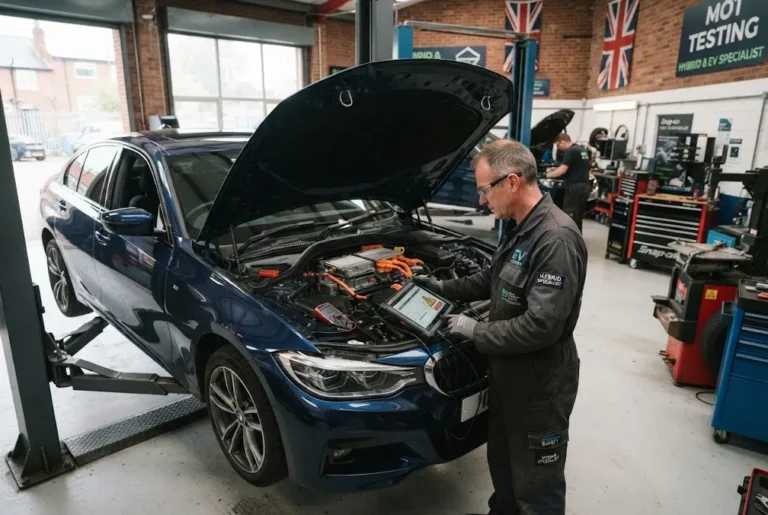
The high-voltage system is the major difference. The battery, inverter, electric motor and associated wiring can operate at voltages that require specific safety controls. A technician should therefore have appropriate training before undertaking work involving those systems.
The Institute of the Motor Industry (IMI) provides qualifications covering routine maintenance on electric and hybrid vehicles as well as more advanced diagnosis and repair of high-voltage systems. This distinction is important because basic EV maintenance and specialist high-voltage repair are not necessarily the same job.
Why EV Mechanics Need Different Skills
EV mechanics increasingly need a combination of traditional mechanical knowledge and electrical expertise. An electric vehicle still uses brakes, tyres, suspension and steering components, so conventional workshop skills remain relevant. However, the technician must also understand high-voltage isolation, electrical safety and vehicle-specific diagnostic procedures.
This creates a changing skills profile for the automotive industry. A technician who has spent years working primarily on combustion engines may need additional training before carrying out high-voltage EV repairs.
IMI’s EV and hybrid qualifications illustrate this progression. Training pathways cover areas such as routine maintenance, high-voltage system safety, diagnosis and repair. For workshops, this creates a clearer framework for deciding which technicians are qualified to perform different levels of work.
For motorists, the practical lesson is simple: a garage advertising general vehicle servicing should not automatically be assumed to have the expertise required for every type of EV repair.
Electric Vehicle Maintenance Is Not Maintenance-Free
A common perception is that electric vehicles require very little maintenance because they have fewer moving drivetrain components. There is some truth behind this comparison, but it should not be interpreted as meaning an EV can simply be ignored between inspections.
Tyres remain particularly important. Electric vehicles can be heavy because of their battery packs, and their instant torque characteristics can place demands on tyres. Correct tyre pressure, tread condition and appropriate replacement specifications remain essential.
Braking systems also require attention. Regenerative braking can reduce reliance on conventional friction braking in some driving conditions, but brake discs, pads and associated components can still suffer from wear or corrosion.
Suspension and steering components remain subject to normal road conditions, while wheel alignment can affect tyre wear and handling. Our related wheel alignment research explores steering geometry, tracking, tyre wear and handling performance in greater detail.
EV Battery Servicing: What Owners Should Know
EV battery servicing is one of the most technically sensitive areas of electric vehicle maintenance. The high-voltage battery is usually one of the most valuable components in the vehicle, so battery faults can have significant financial implications.
Routine maintenance does not normally mean opening the battery pack and servicing individual cells. Instead, appropriate diagnostic procedures can be used to identify faults, monitor system behaviour and determine whether further investigation is required.
Battery technology varies between manufacturers and models. Battery chemistry, thermal management, pack design and control systems can all differ. Consequently, general claims about battery lifespan, degradation or repair costs should not be applied to every EV.
Owners should follow the vehicle manufacturer’s recommendations and use a suitably trained workshop when a battery warning, charging fault or high-voltage system problem appears.
Why Battery Diagnostics Matter
Battery diagnostics are becoming increasingly important as the number of used electric vehicles grows. A vehicle’s battery condition can affect its usable range and potentially its resale appeal.
However, assessing battery health is more complicated than looking at a single percentage on the dashboard. Diagnostic equipment may be required to examine system data, fault codes and other information relevant to the vehicle.
For the used-car market, independent battery-health assessments could become increasingly useful. Buyers may want greater confidence about the condition of a vehicle’s most expensive drivetrain component, while sellers can use credible documentation to demonstrate maintenance and condition.
Charging Infrastructure and the Workshop Relationship
Charging infrastructure is closely connected to EV ownership, even though charging equipment is not itself a traditional workshop service. Drivers need dependable access to home, workplace and public charging, while workshops increasingly need to understand charging-related faults.
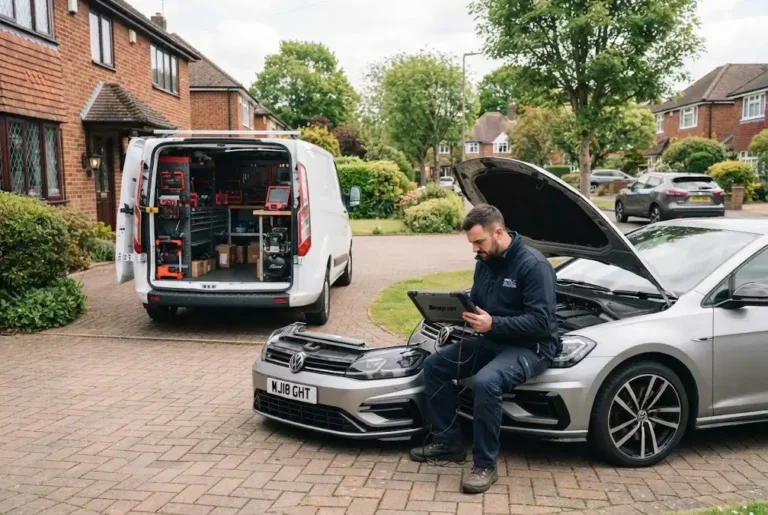
A vehicle may fail to charge because of a problem with the car, its charging equipment, communication between the vehicle and charger, or an external power supply. Diagnosing the issue correctly requires technicians to understand where the fault is located rather than assuming the vehicle battery is responsible.
This creates a broader ecosystem around electric vehicle maintenance. Automotive businesses may increasingly work alongside charging specialists, electrical contractors and equipment providers as EV ownership expands.
For motorists, this also means that EV support can involve more than simply finding a garage. Drivers may need access to appropriate charging infrastructure and technicians capable of diagnosing both vehicle-side and charging-related problems.
Are UK Workshops Ready for More EVs?
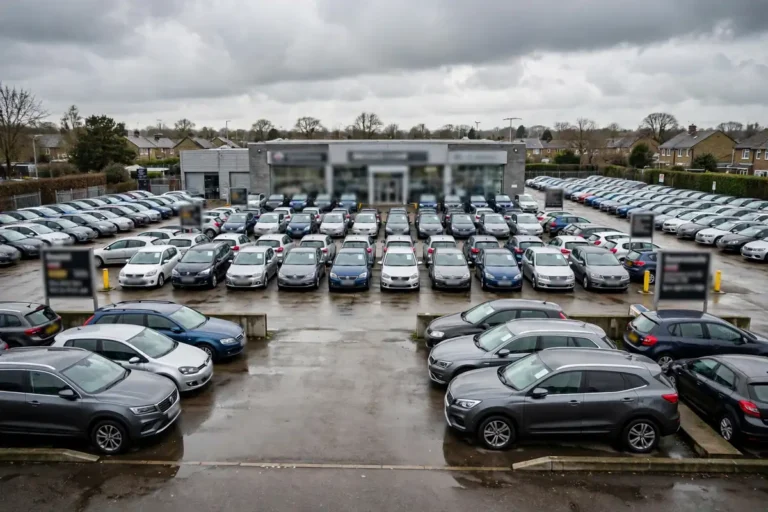
Industry readiness is not uniform across Britain’s automotive service sector. Some manufacturers, dealer groups and independent workshops have invested heavily in EV equipment and technician training, while other businesses may have limited exposure to high-voltage vehicles.
This variation is understandable. Workshop investment has to follow customer demand, and the UK fleet contains a mixture of petrol, diesel, hybrid and fully electric vehicles.
A small independent garage may therefore question whether it makes commercial sense to invest immediately in specialist equipment. A larger network serving thousands of vehicles may have a stronger business case for developing dedicated EV capabilities.
Over time, however, growing EV adoption is likely to make electric vehicle competence increasingly important. Workshops that delay investment may eventually find themselves competing against businesses that have already built a reputation for EV expertise.
The Technician Shortage Could Become a Bigger Issue
Technician shortages are already an important concern for Britain’s automotive service industry, and electrification adds another layer to the skills challenge.
The issue is not simply about the number of mechanics available. Workshops need people with the right combination of mechanical, electrical and diagnostic skills. Training an experienced technician can take time, while attracting new entrants requires the industry to make automotive careers appealing and provide clear development pathways.
The Motor Ombudsman’s 2026 research into repair businesses identified recruitment and retention of experienced technicians as a major challenge for the sector. As electric vehicles become more common, the demand for suitably trained personnel could become even more significant.
For automotive service companies, technician development should therefore be considered a strategic investment rather than just an operational expense.
How EV Servicing Changes Automotive Service Companies
The transition to electric vehicles is changing the business model of automotive service companies. Traditional servicing revenue streams associated with engines, exhausts, clutches and other combustion-related components will gradually become less relevant for fully electric vehicles.
At the same time, new opportunities are emerging. EV workshops can provide high-voltage diagnostics, battery assessments, electrical repairs, charging-system diagnostics, software-related support and specialist inspections.
This does not mean conventional workshops will suddenly disappear. Britain’s vehicle fleet changes slowly, and petrol and diesel vehicles will remain on the roads for many years. Instead, workshops are likely to operate across several technologies simultaneously.
That makes investment planning more complicated. Businesses need to maintain conventional capabilities while gradually building expertise in hybrids and EVs.
EV Servicing and Garage Chains
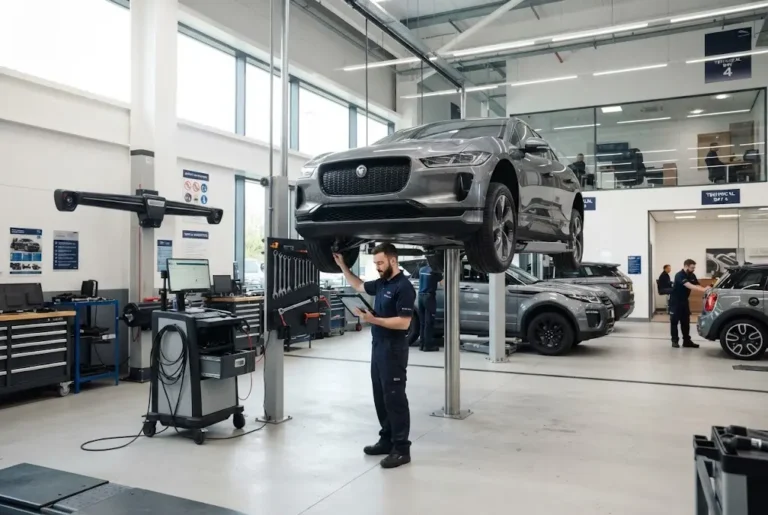
Large garage chains have an advantage when developing EV capabilities because they can spread training, equipment and technical resources across multiple locations.
A national or regional network can establish central training programmes, create standardised high-voltage procedures and purchase specialist equipment at scale. It can also promote EV capability across its customer base.
However, scale does not remove the need for competent technicians at individual branches. A chain’s national reputation cannot substitute for appropriate local skills when a customer brings in a vehicle with a high-voltage fault.
Independent garages can compete by taking a more specialist approach. A workshop that becomes highly competent in EV diagnostics and battery assessment could establish a strong position within its local market without needing a large network.
What EV Owners Should Look for in a Workshop
Choosing an EV workshop requires slightly more consideration than selecting a garage for routine conventional maintenance.
Owners should consider whether the workshop:
- Has technicians trained to work safely with high-voltage systems.
- Uses appropriate EV diagnostic equipment.
- Can carry out the specific maintenance or repair required.
- Has suitable safety procedures for electric vehicles.
- Can provide clear information about the work and any parts fitted.
- Understands the manufacturer’s service requirements.
For specialist battery or high-voltage repairs, motorists should be particularly careful about choosing a workshop with the relevant competence. General mechanical experience alone does not necessarily demonstrate high-voltage repair capability.
EV Maintenance Costs Are Changing
EV ownership can alter the pattern of maintenance costs rather than simply eliminating them. Some conventional service items disappear, while specialist diagnostics, electrical components and battery-related work can create different expenses.
The overall cost depends heavily on the vehicle model, age, mileage, driving conditions and type of repair required.
For this reason, motorists should be cautious about universal claims that EVs are always cheaper or always more expensive to maintain. The answer depends on which costs are being measured and over what period.
Routine maintenance may be simpler in some respects, but a specialist electrical fault can require skills and equipment that are different from conventional mechanical repair.
Training Will Shape the Future of EV Servicing
Training is likely to become one of the defining factors in the future of Britain’s EV aftermarket. As vehicle technology develops, technicians need continuing access to relevant technical information and practical training.
IMI’s qualifications provide one established route for developing EV and hybrid competence. The organisation distinguishes between routine maintenance and advanced high-voltage diagnosis and repair, reinforcing the importance of matching technician qualifications to the work being undertaken.
Manufacturers and workshop networks also have a role to play. They can provide model-specific information, technical training and procedures that help technicians maintain vehicles safely.
Independent businesses may need to combine formal training with investment in specialist diagnostic equipment and technical information systems.
What Happens as EV Adoption Increases?
As more electric vehicles enter the UK fleet, the aftermarket will gradually move from an early-adopter market towards a mainstream service environment. This will change customer expectations.
Drivers will increasingly expect their local garages to understand EVs rather than directing every electric vehicle to a main dealer. That creates an opportunity for independent workshops and garage networks that establish credible EV capabilities.
Battery diagnostics could become particularly valuable as today’s new EVs move into the used market. Businesses capable of assessing battery condition may eventually become important to buyers, sellers, finance companies and vehicle retailers.
Charging-related diagnostics may also become more common as home and public charging systems become an ordinary part of electric vehicle ownership.
EV Servicing and the Wider Electrification Transition
Electric vehicles are only one part of the wider change occurring across Britain’s automotive industry. Hybrids are also increasing the need for workshops to understand high-voltage systems and electrified drivetrains.
Our earlier research into hybrid servicing examined how hybrid vehicles combine conventional maintenance with specialist electrical requirements. The two technologies share some training and safety considerations, but they should not be treated as identical.
For workshops, developing a structured electrification strategy can therefore be more useful than treating EVs as a single isolated service category.
The Future of the UK EV Service Industry
The UK’s EV service industry is likely to become more sophisticated as the vehicle fleet expands. Routine maintenance will continue to involve familiar workshop services, but specialist electrical diagnostics and battery-related expertise will become more important.
The most successful businesses may be those that develop their capabilities gradually and strategically. They can retain conventional vehicle expertise while training technicians, upgrading equipment and developing safe procedures for high-voltage work.
Competition will also increase. Established garage chains, manufacturer workshops, specialist EV businesses and independent garages can all compete for the growing market. The strongest proposition will likely combine technical competence, transparent pricing, convenience and customer trust.
Final Thoughts on EV Servicing
EV servicing is becoming a core part of Britain’s automotive aftermarket rather than a niche specialist activity. Electric vehicles still require maintenance, but the work increasingly combines traditional mechanical inspection with electrical diagnostics, high-voltage safety and battery-system expertise.
The main challenge for the industry is readiness. Workshops need appropriately trained technicians, suitable equipment and clear procedures, while customers need confidence that the business they choose can safely handle the work required.
As charging infrastructure expands and more EVs move into the used market, these requirements will become increasingly important. The transition will not happen overnight, and conventional vehicles will remain a major part of workshop demand. Nevertheless, businesses that develop credible electric-vehicle capabilities now will be better positioned for the changing UK automotive service market.