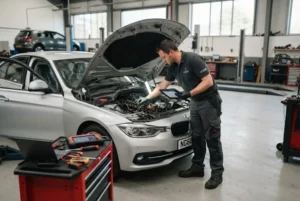
Mobile auto service is changing how motorists access vehicle maintenance and repairs. Instead of taking a car to a traditional workshop for every problem, drivers can increasingly arrange for a technician to visit their home, workplace, car park or another convenient location. This shift is more than a matter of convenience. It reflects broader changes in technology, employment, consumer expectations and the economics of automotive servicing.
The traditional garage remains an important part of the UK automotive sector, particularly for complex repairs and work requiring specialist equipment. However, mobile mechanics are creating another layer of service accessibility. By taking tools, diagnostic equipment and technical expertise directly to the vehicle, they can handle a growing range of maintenance and repair tasks outside a conventional workshop.
What Is Mobile Auto Service?
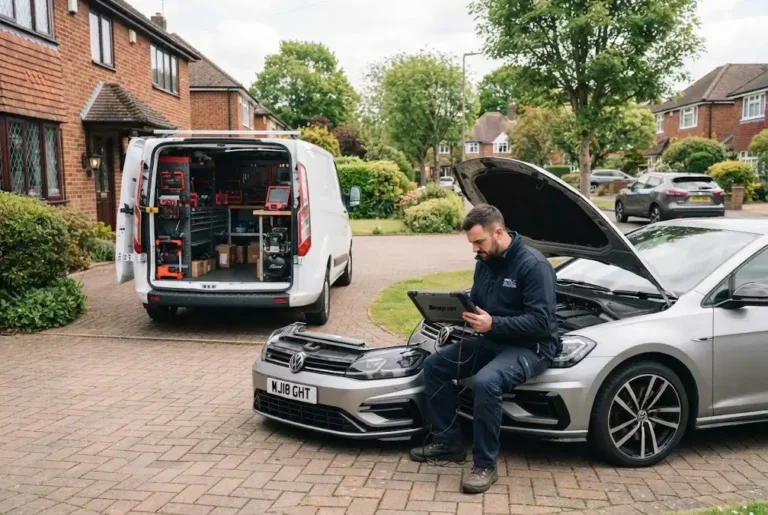
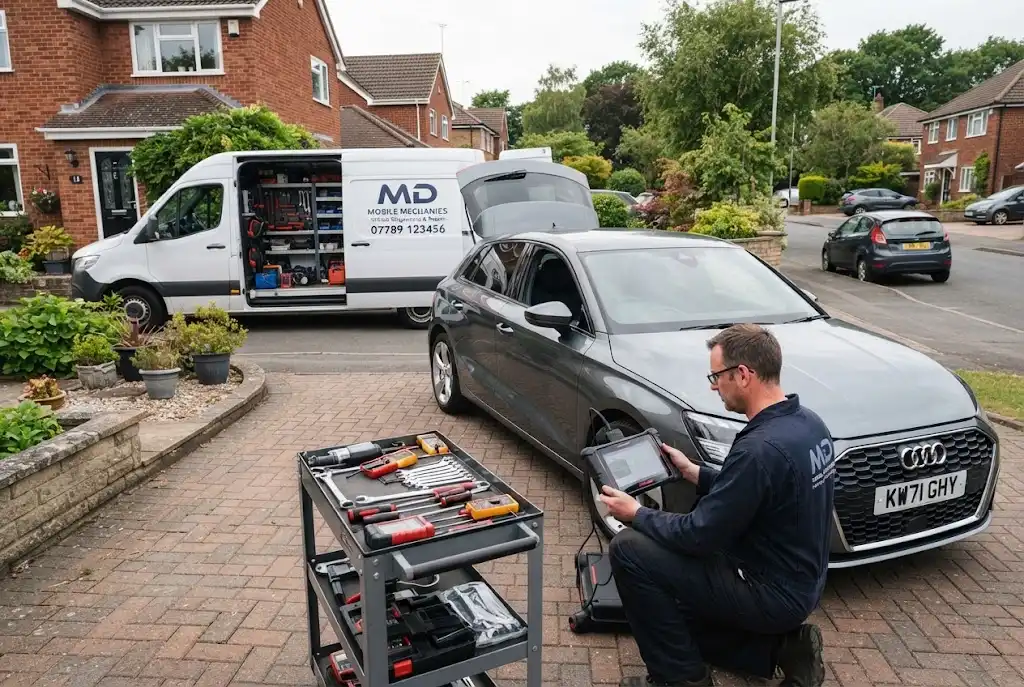
Mobile auto service refers to vehicle maintenance, diagnostics or repair work carried out at a location chosen by the customer rather than exclusively inside a fixed workshop. Depending on the technician and the vehicle problem, services can include routine maintenance, battery replacement, brake-related work, diagnostics, minor repairs and other field-based tasks.
The model works particularly well when a vehicle can be safely inspected or repaired where it is parked. A technician may arrive with a diagnostic scanner, hand tools, specialist equipment and replacement parts required for the planned job.
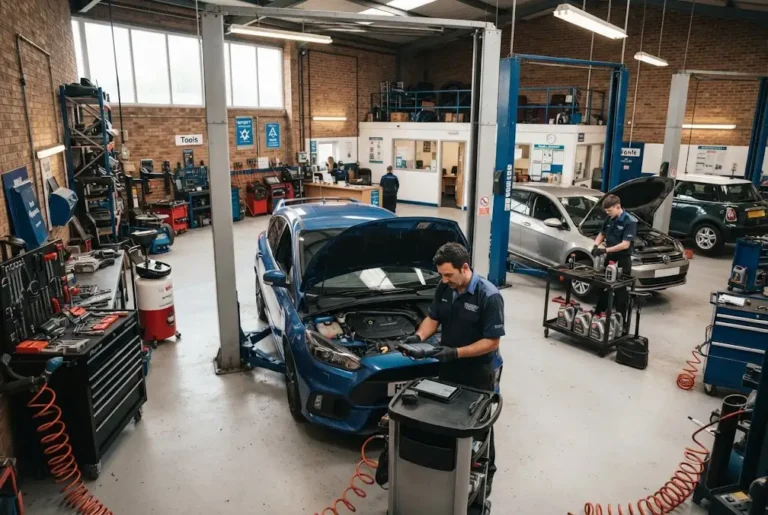
However, mobile servicing has practical limits. Major mechanical work, extensive dismantling or repairs requiring large workshop machinery may still need to take place at a properly equipped garage. Therefore, mobile servicing should not necessarily be viewed as a replacement for workshops. It is better understood as an additional way of delivering automotive expertise.
Why the Mobile Mechanic Model Is Growing
The mobile mechanic model responds to a simple problem: vehicle owners do not always have the time or ability to take their cars to a garage. A workshop visit can involve arranging transport, taking time away from work or waiting for a vehicle to become available.
Mobile technicians remove part of that inconvenience by bringing the service to the customer. For someone working from home, for example, a technician may be able to perform an appropriate maintenance job while the customer continues working. Similarly, businesses operating several vehicles may benefit from servicing arrangements that reduce unnecessary vehicle movement and downtime.
Service accessibility can therefore become a competitive advantage. Customers are not only comparing technical ability and pricing. They are also considering how easily a service fits into their daily routine.
From Roadside Servicing to Planned Maintenance
Mobile vehicle assistance has traditionally been associated with roadside breakdowns. A stranded driver might require help with a battery, tyre, starting problem or another issue that prevents the vehicle from continuing its journey.
Modern field servicing expands the concept beyond emergencies. Some mobile technicians provide scheduled maintenance and planned repairs at customers’ chosen locations. This creates a bridge between traditional roadside assistance and routine workshop servicing.
The distinction is important because planned maintenance allows technicians and customers to prepare for the job. Parts can potentially be sourced in advance, the vehicle can be positioned somewhere suitable and the technician can arrive with the appropriate equipment.
For drivers, this can make servicing feel less disruptive. For technicians, it can create opportunities to build recurring relationships rather than relying exclusively on emergency call-outs.
Technology Is Making Field Servicing More Practical
Technology is one of the main factors supporting the development of mobile servicing. Modern diagnostic equipment is increasingly portable, allowing technicians to investigate electronic faults without necessarily requiring a vehicle to enter a workshop.
Digital booking systems also make it easier for customers to request appointments, describe problems and communicate with technicians. Some service businesses can manage scheduling, customer information, estimates and payment through digital platforms.
These tools support a more connected service experience. A customer can explain a warning light or maintenance issue before the appointment, while the technician can potentially prepare the appropriate diagnostic equipment and parts.
This development also connects mobile servicing with the wider transformation of vehicle inspection. As discussed in our article on auto inspection services and modern vehicle inspections, diagnostics increasingly complement traditional physical checks when assessing vehicle condition.
Independent Technicians and New Business Models
The growth of mobile servicing has created opportunities for independent technicians. A traditional garage requires premises, equipment, utilities, insurance and other operating expenses. A mobile business has a different cost structure because much of the work is carried out at the customer’s location.
That does not mean running a mobile operation is inexpensive. Technicians still need suitable vehicles, tools, diagnostic equipment, insurance, parts and ongoing training. They must also account for travel time and the practical limitations of working outside a controlled workshop environment.
Nevertheless, the model can give skilled technicians more flexibility over how they structure their businesses. Some may operate independently, while others can work through established service platforms or develop specialist customer bases.
The Gig Economy and Automotive Work
The wider gig economy has influenced how many service industries think about independent work, flexible scheduling and customer acquisition. Automotive servicing has its own technical and regulatory requirements, so it cannot simply copy the model used by every app-based service.
Even so, the underlying shift toward flexible work is relevant. Independent automotive professionals can increasingly use digital channels to promote their services, manage appointments and communicate directly with customers.
This creates a more fragmented market in which consumers may encounter traditional garages, dealership workshops, independent mobile technicians and digital service platforms at the same time.
Changing Business Models in Automotive Servicing
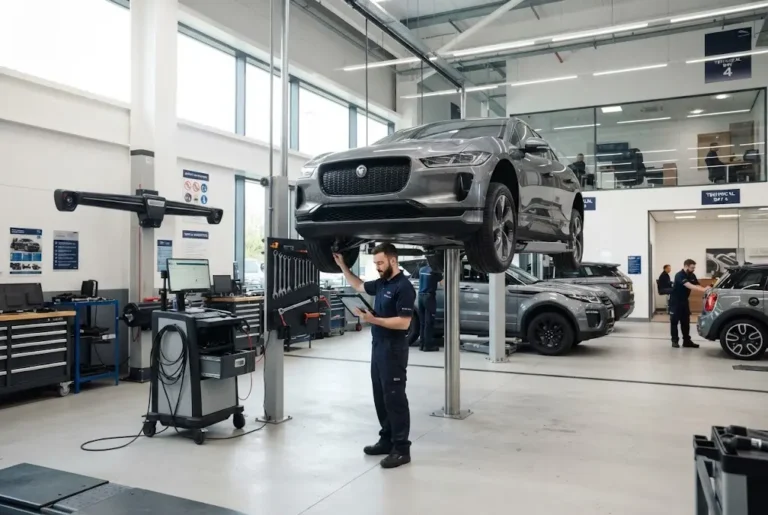
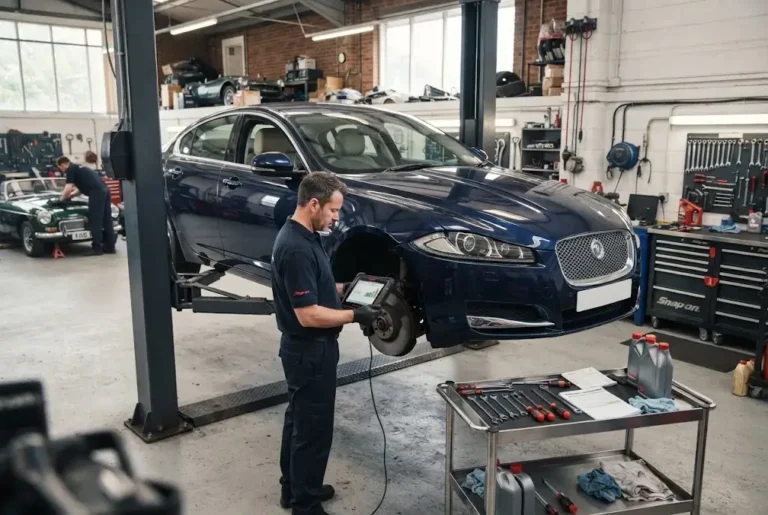
The automotive service industry is moving toward a broader range of business models. A fixed workshop remains valuable because it provides controlled working conditions, specialist machinery and space for extensive repairs. Mobile servicing, meanwhile, prioritises convenience and location flexibility.
Some businesses may combine both approaches. A technician could handle suitable maintenance and diagnostic work at the customer’s location while referring complex repairs to a workshop partner.
This hybrid model can also help businesses manage their resources. Not every vehicle problem requires a full workshop visit, and not every repair can realistically be completed in a driveway. Matching the service method to the technical requirement can improve efficiency for both businesses and customers.
Labour Trends Are Affecting the Service Market
Labour trends are another important part of the discussion. Automotive technicians need increasingly broad technical knowledge as vehicles become more electronically controlled and software-dependent. At the same time, experienced technicians remain essential for mechanical diagnosis, repair and practical problem-solving.
This creates pressure for businesses to recruit, train and retain skilled people. Mobile servicing may provide one way for experienced technicians to work more independently, although the model still depends on strong technical skills and appropriate qualifications.
The changing vehicle mix also matters. Hybrid and electric vehicles introduce technologies that require specialised knowledge and safe working practices. Businesses entering mobile servicing therefore need to understand which jobs they are properly equipped and trained to perform.
Service Accessibility and Customer Expectations
Customer expectations have changed across many industries, and automotive services are no exception. People increasingly value transparent communication, convenient booking, predictable appointment windows and services that fit around their schedules.
Mobile auto service directly addresses several of these expectations by reducing the need for customers to travel to a workshop. The convenience can be especially valuable when a vehicle is difficult or inconvenient to move.
However, convenience cannot replace quality. Customers still need technicians who diagnose problems accurately, communicate clearly and carry out work to an appropriate professional standard. A mobile business therefore needs to balance accessibility with technical competence.
What Mobile Servicing Cannot Replace
Despite its advantages, mobile servicing has clear limitations. A roadside location or residential driveway does not offer the same environment as a fully equipped workshop. Certain repairs require vehicle lifts, specialist machinery, controlled conditions or extensive dismantling.
Safety must also determine whether a particular job is suitable for field servicing. A technician should not attempt work in an unsuitable location simply because the customer wants to avoid a workshop visit.
For consumers, the best approach is to ask what the technician can realistically diagnose or repair on location. A clear explanation of the service scope can prevent misunderstandings and unnecessary delays.
The Future of Mobile Auto Service
The future of mobile auto service will likely be shaped by a combination of technology, consumer demand and changes in vehicle engineering. Portable diagnostics, digital booking, connected vehicles and better access to technical information can make field servicing increasingly capable.
At the same time, the growth of electric vehicles and advanced driver-assistance systems will require technicians to develop new skills. Mobile businesses that invest in training and suitable equipment may be better positioned to respond to these changes.
The wider automotive market is also undergoing structural change. Drivers are keeping vehicles for different lengths of time, vehicle technology is becoming more complex and customers are looking for increasingly convenient ways to maintain their cars. These developments are part of the broader transformation of the automotive industry.
How Drivers Can Choose a Mobile Technician
Convenience should not be the only factor when choosing a mobile technician. Drivers should consider the technician’s relevant experience, the services offered, the equipment available and whether the proposed work is appropriate for mobile servicing.
It is also useful to ask what happens if the technician discovers a problem that cannot be repaired on location. A professional service should have a sensible process for further diagnosis, workshop repairs or specialist assistance where necessary.
Customers can also benefit from requesting a clear explanation of the work required before authorising additional repairs. Good communication helps ensure that convenience does not come at the expense of informed decision-making.
Final Thoughts
Mobile servicing represents an important change in how automotive expertise can reach customers. The traditional garage is not disappearing, but the rise of the mobile mechanic demonstrates that vehicle owners increasingly value flexibility, accessibility and reduced disruption.
For technicians, the model creates new possibilities for independent work and alternative business structures. For motorists, it can provide a practical option for suitable maintenance, diagnostics and repairs without requiring every vehicle to visit a workshop.
Ultimately, the strongest mobile businesses will combine convenience with technical quality. As vehicles become more sophisticated and consumer expectations continue to evolve, field servicing is likely to remain an increasingly visible part of the modern automotive service landscape.