

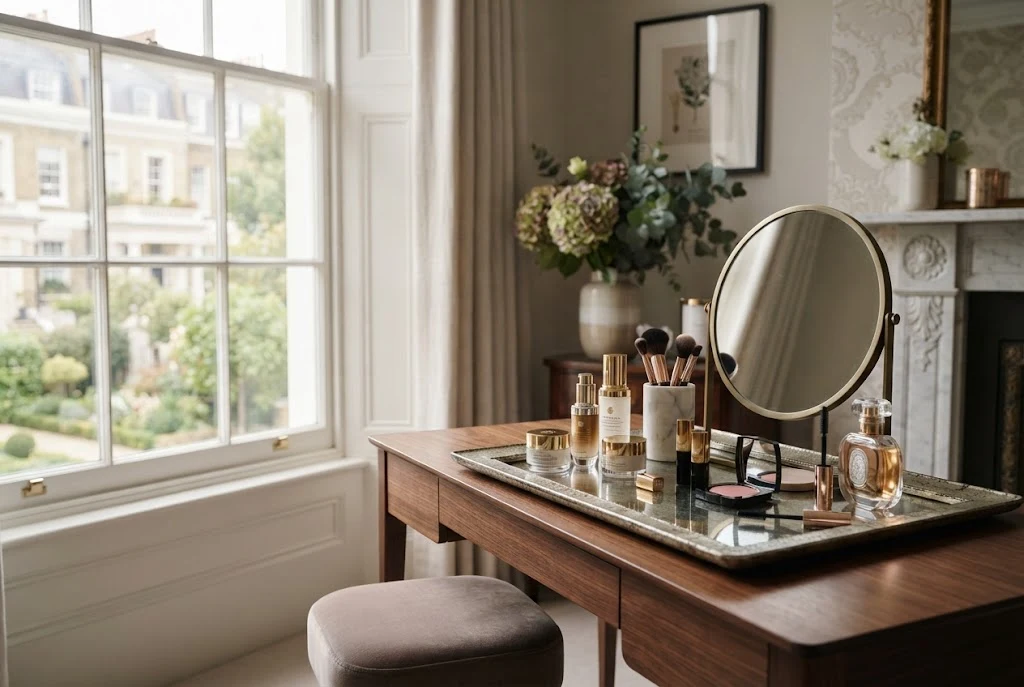
Luxury beauty has become about far more than expensive packaging or prestigious names. In the UK, the category brings together advanced skincare, carefully developed makeup, distinctive fragrance, specialist treatments and premium beauty experiences. For many consumers, luxury is increasingly connected with quality, expertise, personalisation and the enjoyment of a well-designed routine.
The modern luxury beauty market also reflects wider changes in British beauty culture. Consumers can combine accessible everyday products with occasional premium purchases, while others build highly curated routines around specialist skincare, fragrance or cosmetics. Understanding luxury beauty therefore means looking at both the products themselves and the experience surrounding them.
What Is Luxury Beauty?
Luxury beauty refers to premium beauty products and experiences positioned around qualities such as craftsmanship, formulation, exclusivity, specialist expertise, design and elevated customer experience.
Luxury can appear across several categories. These include skincare, makeup, fragrance, haircare, body care and professional treatments. Some luxury products focus on sophisticated formulations, while others place greater emphasis on heritage, presentation, rarity or brand identity.
There is no universal price point that defines luxury. A product can feel premium because of its ingredients, packaging, service or overall experience rather than simply because it carries a high price.
Why Luxury Beauty Remains Popular in the UK
The UK’s beauty landscape combines established luxury traditions with modern consumer expectations. Shoppers have access to department stores, specialist beauty retailers, independent boutiques, salons, spas and online platforms, creating multiple ways to discover premium products.
Consumers are also becoming more informed. Product reviews, ingredient information, tutorials and beauty communities allow shoppers to research products before making a purchase. Consequently, premium brands increasingly need to offer something beyond a prestigious name.
Quality, performance, brand story, customer service and the overall purchasing experience can all contribute to perceived value.
Luxury Skincare and the Premium Routine
Luxury skincare is one of the most visible areas of the premium beauty market. Products can include cleansers, serums, moisturisers, masks, eye treatments and specialised formulations designed for particular skincare routines.
Premium skincare often focuses heavily on formulation and sensory experience. Texture, fragrance, packaging and application can all contribute to how a product feels to use.
However, an expensive product is not automatically better suited to every person. Skin needs vary considerably, so consumers should consider formulation, ingredients and suitability rather than relying solely on price or prestige.
What Makes Luxury Skincare Feel Premium?
Several factors can influence the perception of luxury. Packaging is one obvious element, but the experience may also include carefully designed textures, distinctive scents, detailed product information and high-quality presentation.
Some brands also build their identity around research, specialist ingredients or particular formulation philosophies. For consumers, the most useful approach is to separate measurable product qualities from the emotional appeal of luxury branding.
Luxury Makeup and Modern British Beauty
Luxury makeup covers products such as foundation, concealer, powder, lipstick, eyeshadow, mascara and complexion-enhancing products. Premium cosmetics can appeal to consumers who value refined textures, packaging, colour selection and the experience associated with a prestige brand.
Modern British beauty trends have also made the boundary between understated and glamorous makeup increasingly flexible. A luxury product can be used for a minimalist everyday look just as easily as for a more elaborate occasion.
This versatility has helped premium cosmetics remain relevant even as beauty consumers move between different aesthetics.
Luxury Fragrance and Personal Identity
Luxury fragrance occupies a particularly distinctive position because perfume can become closely associated with personal identity. Unlike many cosmetics, fragrance is not primarily about changing visible appearance. Instead, it contributes to mood, memory and the way an individual presents themselves.
Luxury fragrance houses often build their appeal around composition, heritage, craftsmanship and storytelling. Consumers may choose a fragrance because of its scent profile, but the surrounding brand experience can also influence the decision.
Fragrance is therefore an important example of how premium beauty combines functional and emotional value.
Luxury Beauty Brands and Brand Heritage
Luxury beauty brands frequently use heritage as part of their identity. A long history, distinctive founder story, established formulation tradition or association with fashion can create a sense of continuity and prestige.
However, heritage alone is not enough to guarantee modern relevance. Contemporary consumers also expect brands to communicate clearly, provide convenient shopping experiences and respond to changing expectations.
The strongest premium brands can therefore balance heritage with innovation. They preserve distinctive elements of their identity while continuing to develop products and experiences for modern consumers.
Premium Beauty Is About Experience as Well as Products
One of the defining characteristics of premium beauty is the experience surrounding the product. Packaging, retail environments, consultations, sampling and customer service can all influence how consumers perceive value.
A luxury purchase may involve more than placing a product into an online basket. In physical retail, consumers can explore textures, scents and shades while receiving advice from trained staff. Specialist appointments can provide another level of personalisation.
This emphasis on experience helps distinguish luxury beauty from purely functional personal care.
Luxury Beauty Experiences in the UK
Luxury beauty experiences can take many forms. They may include high-end facial treatments, specialist consultations, spa services, fragrance appointments or personalised makeup sessions.
For some consumers, the attraction lies in expertise. A professional can assess preferences, explain product choices and create a more individualised experience.
For others, luxury is associated with relaxation and escape. A treatment can become part of a broader wellness or lifestyle routine rather than simply a cosmetic service.
This evolution reflects the growing overlap between beauty, wellness and lifestyle.
Luxury Beauty and British Beauty Culture
The relationship between luxury beauty and British beauty culture is particularly interesting because British consumers have traditionally demonstrated a wide range of aesthetic preferences.
Some consumers prefer discreet, understated beauty, while others enjoy statement makeup, sophisticated fragrance or highly detailed skincare. Luxury products can fit into either approach.
This flexibility reflects the broader diversity of British beauty culture. Luxury does not necessarily require a dramatic appearance. Instead, it can mean choosing products that make an everyday routine feel more considered.
Luxury Beauty Lifestyle and Everyday Routines
The idea of a luxury beauty lifestyle has also changed. Premium beauty is no longer necessarily reserved for major celebrations or special events.
A consumer may invest in a high-quality moisturiser used every morning, a signature fragrance worn regularly or a beautifully designed makeup product kept for everyday use. In these situations, luxury becomes part of an ordinary routine rather than an occasional indulgence.
This shift has helped premium beauty appeal to consumers who value quality and experience without necessarily wanting an extensive collection.
How Social Media Has Changed Luxury Beauty
Social media has made luxury beauty more visible and accessible. Consumers can watch product demonstrations, explore new launches and see how premium products are incorporated into real routines.
At the same time, social platforms have made it easier for consumers to compare products. A prestigious name alone may not persuade a shopper who can quickly examine alternative formulations, reviews and prices.
Influencers and beauty creators can also introduce niche luxury brands to audiences that may previously have discovered them only through specialist retailers or magazines.
This has expanded the conversation around premium beauty while making transparency increasingly important.
Luxury Beauty and Sustainability
Luxury and sustainability are not necessarily opposites. However, premium packaging can involve multiple materials, decorative components and presentation boxes, which creates questions about resource use and waste.
Consumers who care about environmental impact may therefore examine packaging, refill systems, sourcing and product longevity alongside brand prestige.
This connects luxury beauty with the wider discussion around sustainable beauty. A premium product can still be evaluated according to how responsibly it is designed, produced, used and disposed of.
For luxury brands, the challenge is to maintain an elevated experience while reducing unnecessary environmental impact. Refillable formats, durable packaging and clearer information can help support this direction where appropriately designed.
Is Luxury Beauty Worth the Price?
Whether luxury beauty is worth the price depends largely on what a consumer values. Some people prioritise formulation, sensory experience or packaging, while others care primarily about results and affordability.
There is also an important distinction between premium positioning and objectively superior performance. A higher price can reflect research, packaging, retail experience, brand positioning and other costs rather than guaranteeing proportionally better results.
Consumers can make more informed decisions by asking what they are actually paying for. If the product provides an experience or quality that matters to the buyer, the premium may feel worthwhile. If not, a less expensive alternative may offer better value.
How to Shop for Luxury Skincare and Cosmetics
Buying premium beauty products does not require abandoning practical decision-making. Several considerations can help shoppers choose more effectively.
Check the Formulation
Look at ingredients and product information rather than relying only on branding. This is especially important for skincare, where individual needs and sensitivities can differ.
Consider How Often You Will Use It
A product used frequently may provide more meaningful value than one purchased mainly because it looks attractive or is currently fashionable.
Compare the Complete Experience
Price comparisons should consider size, usage, formulation and included services. Two products with similar prices may provide very different experiences.
Buy From Reputable Retailers
Luxury products are often valuable purchases, so consumers should use established retailers or official brand channels when authenticity matters.
The Role of Luxury Beauty in the Wider UK Market
Luxury beauty is one part of a much broader sector that includes mass-market products, independent brands, specialist businesses and professional services.
The wider UK beauty industry continues to evolve as consumer preferences change. Premium brands compete not only with other luxury businesses but also with emerging independent companies and digitally native beauty brands.
This competition has encouraged greater emphasis on product differentiation, customer experience, innovation and brand storytelling.
The Future of Luxury Beauty in Britain
The future of luxury beauty UK consumers experience is likely to combine premium quality with greater personalisation and transparency.
Consumers may increasingly expect products to deliver a strong sensory experience while also providing clear information about formulation, sourcing and environmental considerations. Digital technology can further support personalisation, product discovery and customer service.
At the same time, physical retail is likely to remain valuable for products that depend heavily on sensory experiences, particularly fragrance, skincare textures and colour cosmetics.
The most successful luxury beauty businesses will therefore need to balance digital convenience with the human and sensory qualities that make premium beauty distinctive.
Final Thoughts on Luxury Beauty
Luxury beauty is no longer defined simply by expensive products or prestigious names. It is a broader concept built around quality, craftsmanship, formulation, design, expertise and experience.
In Britain, premium beauty exists within a highly diverse cultural landscape. Consumers can embrace understated routines, expressive makeup, specialist skincare or distinctive fragrance while still participating in the luxury category.
The category is also evolving alongside sustainability, technology and changing expectations about value. For today’s consumer, true luxury may increasingly mean finding products that combine performance, enjoyment and responsible design.
Whether someone is investing in luxury skincare, exploring premium makeup or searching for a signature fragrance, the best purchase is ultimately one that delivers meaningful value rather than simply a prestigious label.
