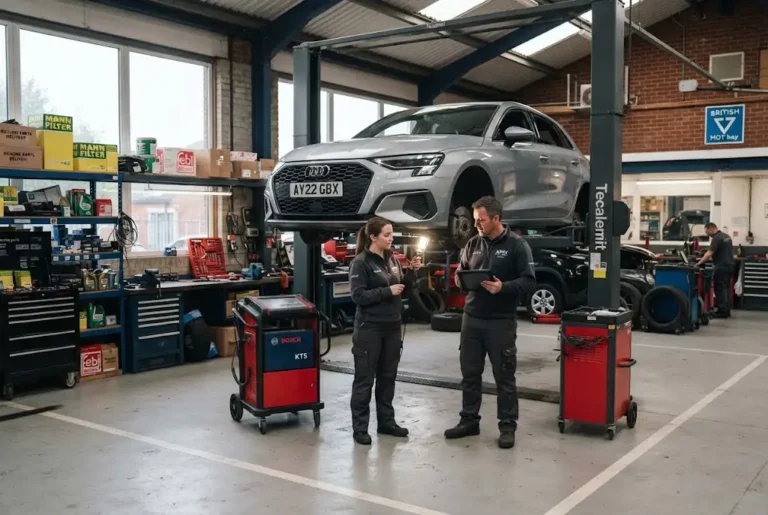
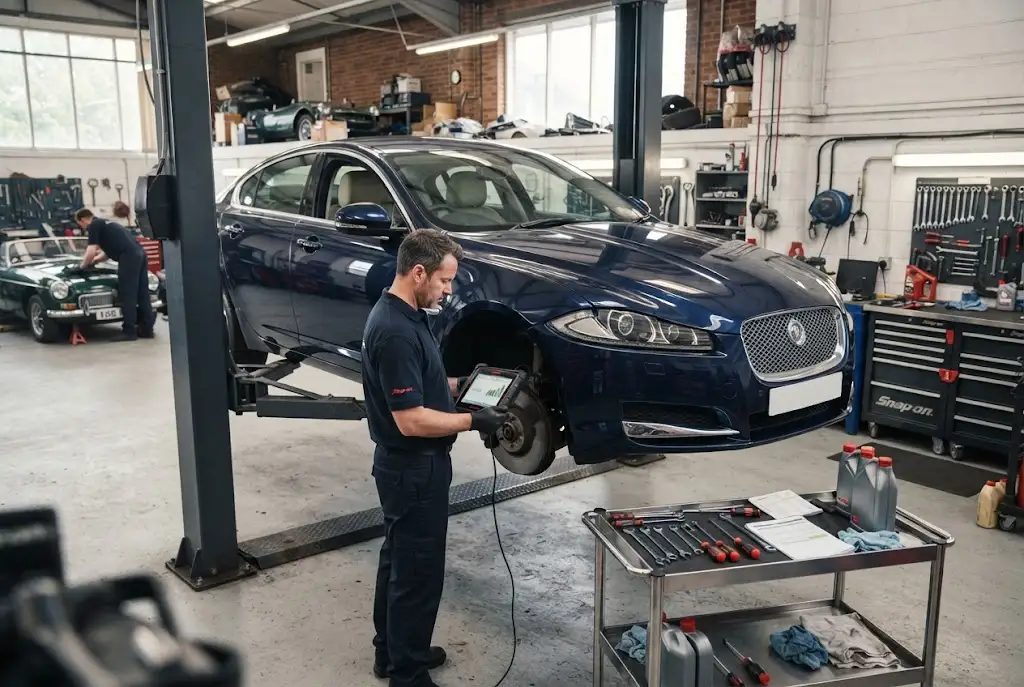
Vehicle maintenance is changing as British motorists keep cars for longer, vehicle technology becomes more sophisticated and ownership costs influence everyday decisions. Routine servicing remains important, but modern maintenance increasingly involves electronic diagnostics, software-dependent systems, advanced safety technology and different approaches to managing a vehicle throughout its useful life.
These changes are creating a broader conversation about preventive maintenance, service intervals, maintenance planning and the economics of keeping a vehicle on the road. Looking at the long-term picture helps explain how motorists and the repair industry are adapting to a changing UK vehicle fleet.
Why Vehicle Maintenance Matters Over the Long Term
Vehicle maintenance is not limited to fixing a problem after a warning light appears. It includes the routine checks, servicing and repairs that help a vehicle remain safe, reliable and suitable for continued use.
A maintenance approach can involve following the manufacturer’s recommended servicing requirements, monitoring consumable components and responding promptly when faults develop. The exact requirements vary according to the vehicle, engine or powertrain, age, mileage and operating conditions.
The UK’s Driver and Vehicle Standards Agency advises motorists that they remain responsible for ensuring their vehicles are roadworthy. Government guidance also notes that a current MOT certificate does not necessarily mean a vehicle remains safe to drive, while the vehicle handbook provides information about checks and servicing requirements.
Preventive Maintenance Versus Reactive Repairs
Preventive maintenance focuses on carrying out appropriate servicing and checks before a developing issue becomes a larger failure. It can include routine inspections, fluid checks, tyre monitoring and replacement of components according to manufacturer guidance.
Reactive repairs, by contrast, usually happen after a fault becomes noticeable. A warning light, unusual noise, poor braking performance or starting problem may lead the owner to arrange a repair.
Neither approach completely eliminates unexpected failures. However, consistent maintenance planning can help motorists identify developing problems earlier and understand when routine work is due.
For garages, preventive maintenance can also create a more predictable relationship with customers. Instead of only seeing a vehicle when it breaks down, a workshop can become involved throughout the vehicle’s ownership lifecycle.
Vehicle Maintenance and Service Intervals
Service intervals are an important part of long-term maintenance planning. Vehicle manufacturers specify maintenance requirements based on the particular model and its operating characteristics. Some vehicles use mileage-based schedules, time-based intervals or electronic service monitoring systems.
There is no single servicing interval that applies to every car. Drivers should therefore consult the vehicle handbook or manufacturer guidance rather than relying on a generic schedule.
This distinction is particularly important as vehicle technology becomes more varied. Petrol, diesel, hybrid and battery-electric vehicles do not necessarily have identical maintenance requirements.
Regular servicing should also be distinguished from the MOT. An MOT is a legal roadworthiness test in Great Britain rather than a substitute for manufacturer-recommended servicing. GOV.UK states that an MOT checks whether a vehicle meets road safety and environmental standards, while the vehicle handbook provides information about servicing.
Britain’s Older Vehicle Fleet Is Affecting Maintenance
Long-term vehicle maintenance is particularly relevant because Britain’s cars are getting older. SMMT’s 2025 Motorparc data reported that 45.7% of cars on UK roads had been in service for more than ten years, while the average car age reached 9.7 years. The same data recorded 36.68 million cars in use.
An ageing vehicle fleet can have significant implications for repair businesses. Older vehicles may require more attention as components experience greater cumulative wear, while owners may also become more interested in the cost of repairing an existing vehicle compared with replacing it.
This does not mean every older vehicle will require frequent major repairs. Condition, mileage, usage, maintenance history and vehicle design all matter. Nevertheless, the age profile of the fleet is an important factor when considering future repair demand.
Lifecycle Costs Matter to Vehicle Owners
Lifecycle costs include much more than the purchase price of a vehicle. Fuel or electricity, insurance, taxation, tyres, servicing, repairs and depreciation can all contribute to the overall cost of ownership.
Maintenance decisions often involve balancing immediate expenditure against longer-term costs. Replacing a worn component may represent an expense today, but postponing necessary work can sometimes allow a minor problem to develop into a more complicated repair.
For an older vehicle, the calculation becomes more nuanced. Owners may compare the expected cost of maintaining their current car with the cost of changing vehicles. That decision depends on the vehicle’s condition, reliability, market value and the owner’s circumstances.
This is one reason maintenance economics are increasingly relevant to the aftermarket. Workshops are not simply repairing vehicles; they are operating within a wider ownership decision-making process.
Maintenance Planning Can Reduce Uncertainty
Maintenance planning gives vehicle owners a structured way to keep track of upcoming servicing and known maintenance requirements. A simple record can include the date and mileage of the last service, work completed, tyres fitted and any advisories identified during inspections.
Digital service records and reminders can make this process easier. Owners can also check MOT history online and use government MOT reminder services to keep track of test dates.
Planning is particularly useful for households operating older vehicles or cars with high annual mileage. Instead of treating every maintenance expense as an unexpected event, owners can anticipate routine costs and make more informed decisions.
How Ownership Behaviour Is Changing
Ownership behaviour is closely connected to maintenance trends. When motorists retain vehicles for longer, maintenance becomes a more significant part of the ownership lifecycle.
SMMT reported in 2026 that the UK’s vehicle fleet reached a record 42.55 million vehicles in 2025 and that the average car age had risen to 9.7 years. It attributed the increasing age of the fleet partly to motorists holding onto vehicles for longer amid economic pressures and uncertainty.
Longer ownership can change the relationship between motorists and garages. A customer who expects to keep a vehicle for several more years may place greater emphasis on preventive work, reliability and understanding future repair requirements.
On the other hand, some owners may delay non-essential work when household budgets are under pressure. This creates a tension between short-term affordability and long-term maintenance.
Newer Vehicles Are Bringing Different Maintenance Needs
The growth of electrified vehicles is also changing the maintenance landscape. SMMT reported that nearly 1.8 million battery-electric cars were in use in the UK at the end of 2025, accounting for almost 5% of the car parc.
Electric vehicles do not require every type of maintenance associated with conventional combustion engines, but they still require appropriate inspection and care. Tyres, brakes, suspension, steering, cooling systems and other components can remain relevant, while high-voltage systems introduce specialist requirements.
Hybrid vehicles similarly combine technologies that can require technicians to understand both conventional mechanical systems and electrified components.
This transition means the future of maintenance is unlikely to be defined by one universal model. Workshops will increasingly need to support a mixed vehicle parc containing older combustion vehicles, hybrids and battery-electric cars.
Maintenance Economics for Garages
Changing maintenance patterns also affect workshop economics. Garages need to decide which equipment, diagnostic tools and training to invest in as the vehicle fleet evolves.
A workshop that primarily serves older petrol and diesel vehicles may have strong demand for traditional mechanical repairs. Another business may invest heavily in diagnostics and electrified vehicle capability to serve newer vehicles.
The wider aftermarket already includes independent workshops, manufacturer-approved repairers, franchised operations and specialist businesses. SMMT’s aftermarket research describes the UK sector as a large ecosystem supporting more than 42 million vehicles and tens of thousands of workshops.
This variety allows workshops to develop different commercial strategies while responding to changes in vehicle technology and consumer demand.
Consumer Trends and Maintenance Decisions
Consumer trends can influence how motorists approach maintenance. Convenience, price transparency, digital booking, online reviews and communication increasingly form part of the customer experience.
However, the fundamental need for appropriate vehicle care remains. A customer may compare several garages online, but ultimately needs a business capable of diagnosing the vehicle accurately and carrying out appropriate work.
For garages, explaining maintenance requirements clearly can help customers understand why particular work is recommended. Transparent communication becomes especially important when a vehicle requires several repairs at once or when owners are deciding whether to invest in an ageing car.
The Role of the MOT in Long-Term Maintenance
The MOT remains an important part of vehicle ownership in Great Britain, but it should not be treated as a complete maintenance programme. GOV.UK explains that the MOT assesses road safety and environmental standards, while a vehicle can still be unsafe even if it has a current MOT certificate.
For most cars, the first MOT is due by the third anniversary of registration, with subsequent tests generally required annually.
This distinction reinforces the importance of combining statutory testing with appropriate routine servicing and day-to-day vehicle checks.
The Future of Vehicle Maintenance in the UK
The long-term direction of vehicle maintenance will be shaped by three overlapping developments: an ageing vehicle fleet, changing ownership behaviour and increasing vehicle technology.
Older cars are likely to continue generating conventional repair demand, while newer vehicles will require workshops to develop capabilities around electrification, electronics and diagnostics. At the same time, motorists may continue weighing the cost of maintaining existing vehicles against the expense of replacing them.
For vehicle owners, the practical lesson is that maintenance planning should be based on the specific vehicle rather than a one-size-fits-all rule. Manufacturer schedules, roadworthiness requirements, vehicle condition and actual usage all have a role.
For the repair industry, the challenge is different. Workshops need to maintain traditional technical competence while preparing for a fleet that is becoming more diverse and technologically advanced.
Ultimately, long-term maintenance is about managing a vehicle throughout its lifecycle rather than waiting for the next breakdown. As Britain’s motorists keep vehicles for longer and the composition of the fleet continues to change, maintenance will remain a central part of the country’s automotive aftermarket.