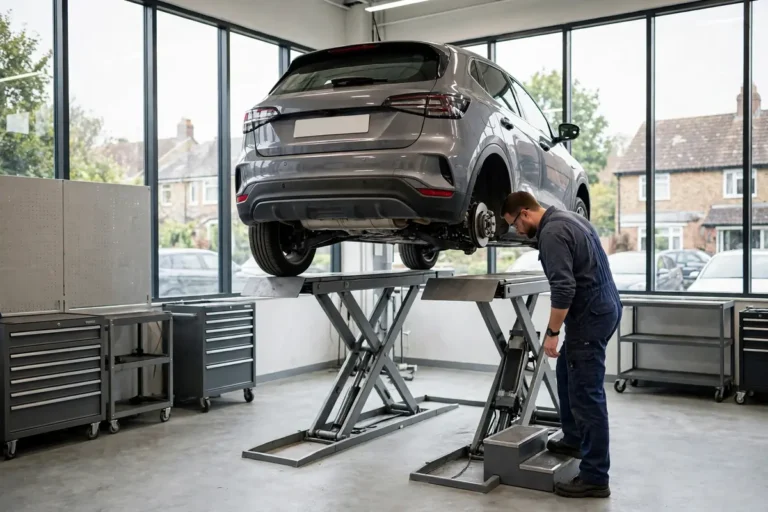

Tyres are one of the most important safety components of any vehicle, yet they’re often overlooked until problems arise. Whether you’re considering K8 tyres or comparing options across the UK, understanding tyre quality, fitting services, and maintenance can help you make smarter decisions.
Why Tyre Quality Matters
Your tyres directly affect braking, handling, and fuel efficiency. Worn or low-quality tyres increase stopping distance and reduce grip, especially in wet UK conditions. Investing in reliable tyres ensures safer driving and better long-term performance.
Drivers who regularly maintain their vehicles with services like car servicing in Sheffield often experience fewer tyre-related issues, as regular inspections catch early signs of wear.
Understanding K8 Tyres
K8 tyres are often searched by drivers looking for dependable, cost-effective tyre solutions. While availability and branding may vary, the key factors to evaluate include tread design, durability, and compatibility with your vehicle.
Always check:
- Tyre size and specifications
- Load and speed ratings
- Seasonal suitability (summer, winter, or all-season)
Comparing Popular UK Tyre Services
The UK has a wide network of tyre suppliers and fitting centres. Some drivers compare options like bridgestone tyres kwik fit for premium performance, while others explore regional providers such as botolph tyres or botolph tyres ltd for local convenience.
In towns like Cirencester, services such as cirencester tyre shops offer quick replacements, while areas like Ripley provide trusted centres including ets tyres ripley. Choosing a reputable provider ensures proper fitting and balancing, which is essential for tyre longevity.
How to Choose the Right Tyres
Driving Conditions
Consider your daily routes. City driving requires different tyre performance compared to motorway or rural roads.
Budget vs Performance
Premium tyres often last longer and perform better, but mid-range options can provide excellent value for everyday driving.
Vehicle Type
Different vehicles require specific tyre types. For example, SUVs, hatchbacks, and electric cars all have unique requirements.
If you’re purchasing a used vehicle, especially from listings like cars under 5000 used, checking tyre condition is essential before finalising the deal.
Tyre Maintenance Tips
Proper maintenance extends tyre life and improves safety. Follow these key practices:
- Check tyre pressure monthly
- Inspect tread depth regularly
- Rotate tyres every 6,000–8,000 miles
- Ensure wheel alignment is correct
Misalignment can lead to uneven wear, increasing your overall front end alignment cost if left unaddressed.
When Should You Replace Your Tyres?
UK law requires a minimum tread depth of 1.6mm, but experts recommend replacing tyres at 3mm for optimal safety. Other signs include:
- Cracks or bulges in the sidewall
- Frequent loss of pressure
- Vibration while driving
Regular checks at a diesel automotive garage or general service centre can help identify these issues early.
Tyres and MOT Compliance
Your tyres play a critical role in passing the MOT test. Bald or damaged tyres can result in immediate failure. For official guidance, drivers can refer to the
UK MOT tyre requirements, which outline legal standards and safety checks.
Choosing a Trusted Tyre Fitting Centre
When selecting a tyre provider, look for:
- Certified technicians
- Transparent pricing
- Positive customer reviews
- Modern fitting equipment
Some drivers also prefer combining tyre replacement with specialist servicing, such as visiting a kia specialist for brand-specific care.
Final Thoughts
Choosing the right tyres, including options like K8 tyres, is essential for safe and efficient driving. With so many UK providers available, taking the time to compare quality, pricing, and service standards ensures you get the best value for your investment.
By maintaining your tyres properly and selecting trusted fitting centres, you can improve performance, reduce costs, and stay safe on the road all year round.
Reading the Markings on Your Tyre Sidewall
Every tyre carries its own specification sheet moulded into the sidewall, and reading it takes seconds once you know the code. The main sequence, such as 205/55 R16, gives the tyre’s width in millimetres, the sidewall height as a percentage of that width, radial construction and the wheel diameter in inches. After it comes a load index number and a speed rating letter, which together state the weight the tyre can carry and the maximum speed it is built for. Both must meet or exceed the figures specified for your car.
Two more markings are worth knowing. The tread wear indicators are small bars set into the grooves: when the tread wears level with them, the tyre is at the legal minimum depth and needs replacing. And a four-digit code in an oval, part of the tyre’s DOT marking, shows the week and year the tyre was made, so 2319 means week 23 of 2019. Age matters because rubber hardens over time even when tread remains, which is why a little-used spare or a low-mileage older tyre can still be past its best.
Updated November 2026
We updated this guide in November 2026 with new advice on reading tyre sidewall markings. Related guides: wheel alignment and tyre wear, front end alignment costs, and our new explainer on clean air zones for drivers planning city trips.